Armenia to Begin EU Membership Application Process, Pashinyan Says
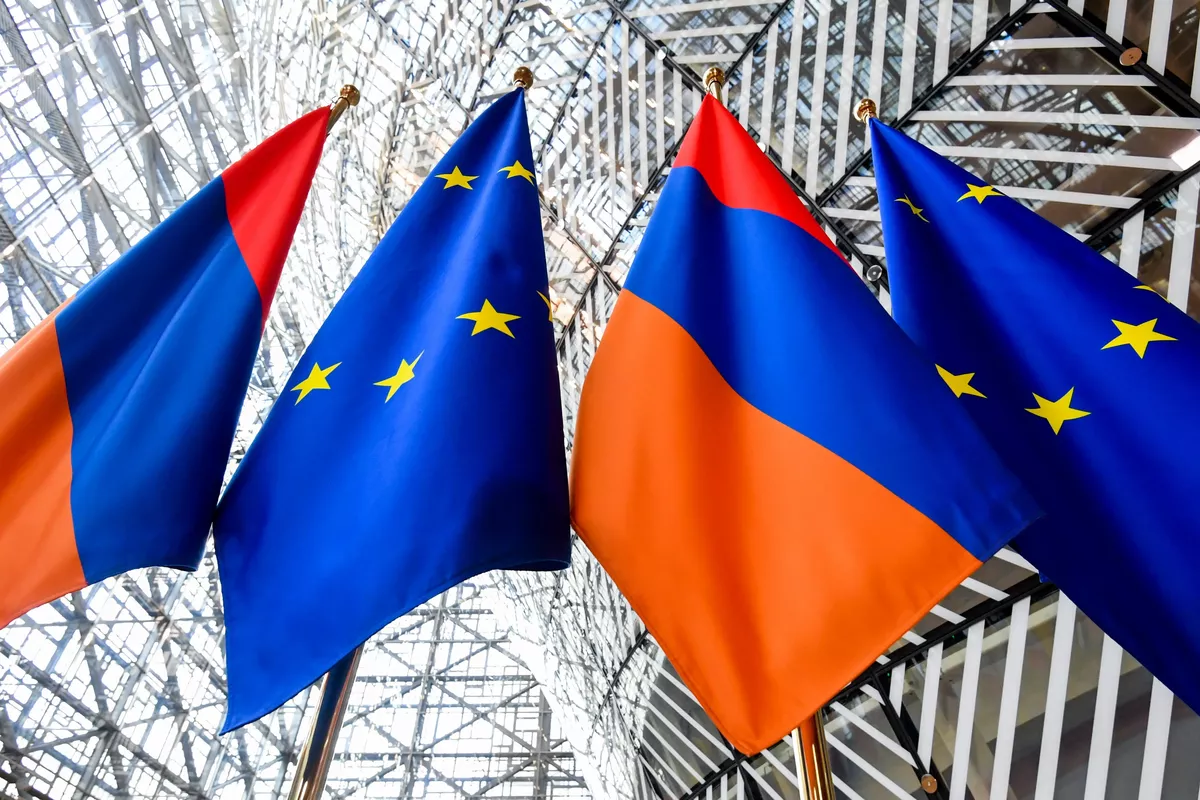
Armenian Prime Minister Nikol Pashinyan says Yerevan will soon begin the process of applying for European Union membership, a move that could reshape the country’s economic and political ties.
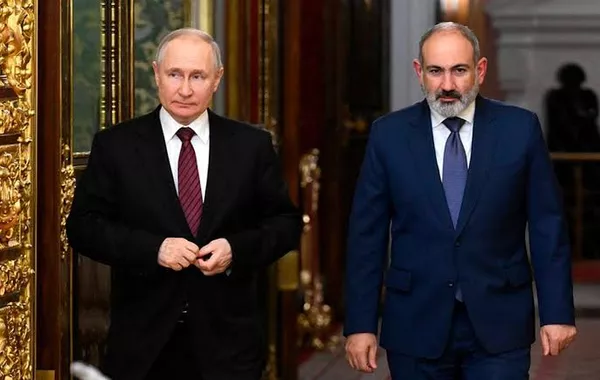
Presenting his government’s 2026-2031 program to parliament, Pashinyan said Armenia would soon launch preparations to submit an official EU membership application, according to Anadolu Agency.
He said Armenia should hold a referendum on its future integration path only after discussions reach a decisive stage and work begins on a potential roadmap.
“To answer these questions, Armenia must first submit an official request for EU membership,” Pashinyan said. “This is a process requiring substantial work, and in the near future we will begin this process, at least taking into account the calls from our EAEU colleagues.”
Leaders of the Eurasian Economic Union have called on Armenia to hold a referendum on the country’s future integration path.
Political analyst Vladimir Olenchenko said it is difficult to predict how long Armenia’s potential EU accession could take, pointing to the differing experiences of other candidate countries.
“Different timeframes are possible. Türkiye has been a candidate for EU membership for 27 years, while the Baltic states waited 12 years,” he said.
Olenchenko said the European Commission’s response to Armenia’s application would provide an important indication of how seriously Brussels views Yerevan’s European integration ambitions.
He noted that EU integration formally involves requirements such as fighting corruption, aligning national legislation with EU standards and strengthening democratic institutions.
However, the analyst warned that meeting those requirements could bring significant economic challenges for Armenia.
Olenchenko pointed to the experience of the Baltic states, whose economies, agriculture and logistics were closely connected with Russia before joining the EU.
He argued that Armenia would need to assess whether it was prepared to restructure its economy and agricultural sector and deal with the potential consequences.
As an example, he cited Latvia’s sugar industry, arguing that the country had been a major Soviet-era sugar beet producer but later closed its sugar factories following EU accession.
Olenchenko also pointed to Lithuania’s Ignalina nuclear power plant, questioning whether Armenia would be prepared to take similar steps if EU requirements affected the future of its own nuclear energy sector.
Another issue, he said, would be Armenia’s energy relationship with Russia. As the EU moves to reduce its reliance on Russian gas, Yerevan could face pressure to diversify its gas supplies.
The analyst also warned that European integration could increase the cost of living and contribute to population outflows, although this assessment remains his own forecast rather than an established outcome.
Olenchenko said Moscow would likely object to Armenia attempting to maintain access to the Eurasian Economic Union’s single market while simultaneously seeking integration with the EU.
He argued that Russia would prefer Armenia to hold a referendum on choosing between the EU and EAEU before submitting its membership application.
“Russia will insist that a referendum on Armenia’s choice between the EU and EAEU be held before an application for European integration is submitted, not afterwards, as Pashinyan is currently proposing,” Olenchenko said.
For now, Pashinyan’s announcement marks a significant step toward formally testing Armenia’s prospects for closer integration with the European Union, while leaving the country’s future relationship with the EAEU unresolved.