In 5 Questions: How the Strait of Hormuz is Managed and What Could Change
Iran and Oman are moving closer to a new arrangement for managing shipping through the Strait of Hormuz, as months of conflict and disruption have put renewed focus on who controls one of the world's most important energy corridors.
Oman has proposed a regional mechanism inspired by the Strait of Malacca, while Iran has put forward a counterproposal that would give Tehran greater oversight of vessels entering and leaving the Gulf.
Iran's Foreign Ministry spokesperson Esmaeil Baqaei said Monday that it is not engaged in negotiations with the US and that it is working with Oman to establish "a temporary route" in the Strait of Hormuz to ensure safe navigation through the strategic waterway.
Earlier, Iranian Foreign Minister Abbas Araghchi said negotiations with Muscat were close to being finalized around a route that respects the sovereignty of both countries.
Here are five questions about the current system, the proposals under discussion and what a new arrangement could mean for global shipping.
1- How is shipping through the Strait of Hormuz normally organized?
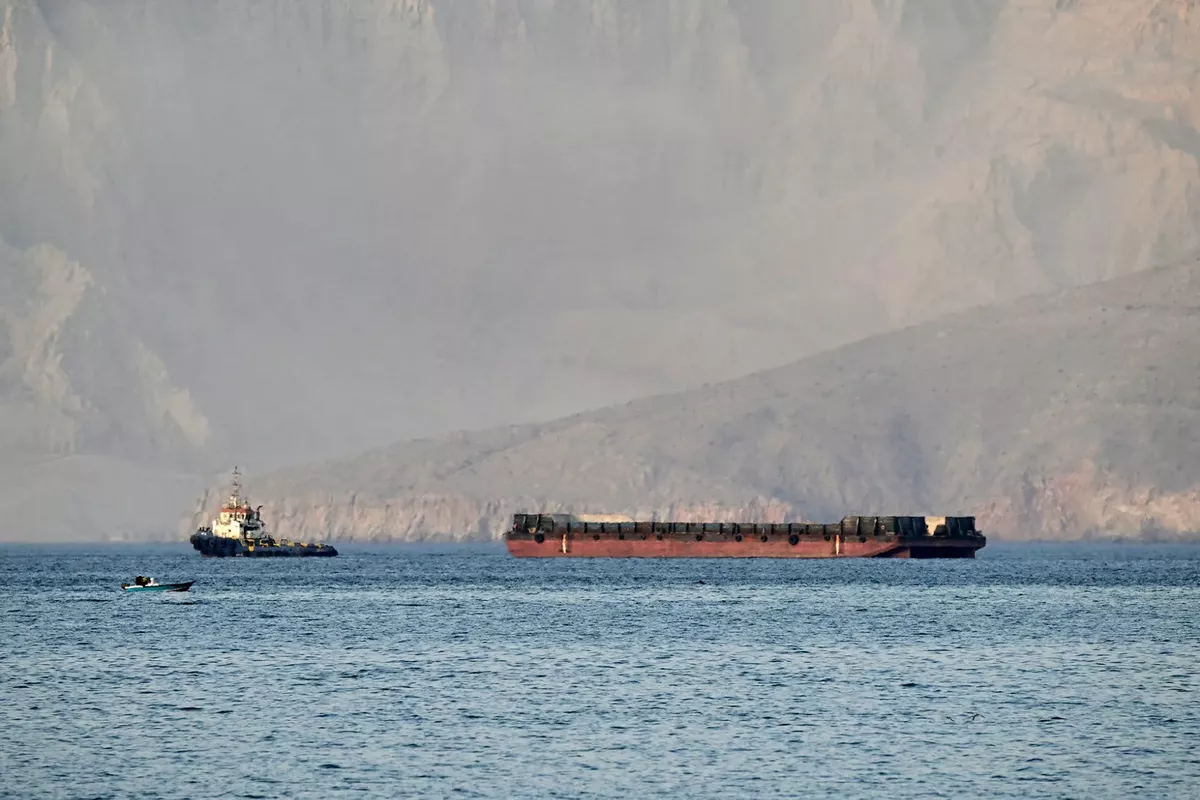
Under normal conditions, commercial shipping through the Strait of Hormuz operates through a Traffic Separation Scheme (TSS) designed to keep vessels travelling in opposite directions apart.
The system consists of two-mile-wide shipping lanes separated by a two-mile-wide buffer zone. One lane is used by vessels entering the Gulf and the other by ships leaving it. Although the strait is bordered by Iran to the north and Oman to the south, vessels engaged in international navigation have historically used designated shipping corridors rather than operating under a joint Iranian-Omani management authority.
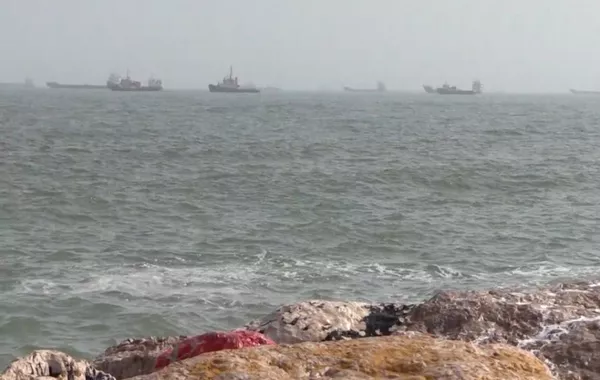
The system is intended primarily to ensure safe and orderly navigation through a narrow waterway carrying large volumes of oil, liquefied natural gas and other goods. The ongoing conflict involving Iran and the US, however, has severely disrupted this established arrangement and increased the importance of alternative routes and mechanisms for managing maritime traffic.
2- What is Oman proposing?
Muscat has proposed creating a joint regional mechanism modeled on the Strait of Malacca, where Indonesia, Malaysia and Singapore cooperate on navigational safety while retaining sovereignty over their respective waters.
Under the Omani concept, Iran and Oman would cooperate in managing safe passage rather than leaving control of shipping movements predominantly in the hands of either side. Oman has also proposed a route divided equally between Iranian and Omani territorial waters, with vessels entering the Gulf through one side and leaving through the other.
The broader mechanism could be supported by voluntary fees paid by shipping companies, similar to arrangements used to support navigational safety initiatives in the Strait of Malacca. The proposal would therefore seek to institutionalize cooperation between the two coastal states without requiring either to surrender sovereignty over its territorial waters.
3- Why did Iran reject Oman's initial proposal?
Iran rejected the proposed 50-50 division and presented its own alternative. According to Iranian Deputy Foreign Minister Kazem Gharibabadi, Tehran wants to manage the shipping route on its side of the strait while Oman would oversee only part, rather than all, of the opposite lane.
The practical significance is substantial: Iran's proposal would give Tehran oversight of both inbound and outbound maritime traffic, rather than limiting its role largely to vessels using one side of the passage.
Iranian officials argue that any new arrangement must protect the country's sovereignty, national interests and security.
Foreign Ministry spokesman Esmaeil Baghaei has said Tehran and Muscat are seeking an “acceptable” route that would be different from both the existing northern and southern corridors.
4- Why is control of the Strait of Hormuz so important?
Hormuz is the maritime gateway connecting the Persian Gulf with the Gulf of Oman and the Arabian Sea, making it one of the world's most strategically important chokepoints. Large volumes of oil and liquefied natural gas exported by Gulf producers must pass through the strait before reaching global markets.
That means even the possibility of prolonged disruption can affect oil prices, shipping costs, insurance premiums and expectations about global energy supplies.
For Iran, however, the issue extends beyond economics.
Tehran considers its ability to influence maritime activity close to its coastline an important national security issue. Washington and other governments, meanwhile, have emphasized freedom of navigation and opposed arrangements that could allow Iran to restrict or impose unilateral conditions on international shipping.
The negotiations are therefore not simply about deciding where ships should sail. They concern the broader question of how much authority Iran should exercise over a waterway crucial to the global economy.
5- Could the Malacca model resolve the dispute?
The Malacca model provides a potential compromise because it combines cooperation with continued national sovereignty. Indonesia, Malaysia and Singapore coordinate on issues such as maritime safety and security without creating a supranational authority controlling the strait. Applying a similar principle to Hormuz could allow.
Iran and Oman to jointly facilitate navigation while maintaining jurisdiction over their respective waters. But Hormuz presents a considerably more complicated geopolitical environment.
The key issue will be whether a final arrangement gives Iran a role in both inbound and outbound shipping while still providing other countries and commercial operators with confidence that passage will remain predictable and secure.
Araghchi said Sunday that negotiations with Oman were “on the way to being finalized” and that the sides were working toward a route respecting both countries' sovereign rights. Oman has not publicly commented on Iran's latest description of the negotiations.
If an agreement is reached, it could represent a significant change in the management of the Strait of Hormuz and potentially become part of wider efforts to de-escalate tensions over the waterway and restore more predictable commercial navigation.
Find the original article here