Why Tehran Fears President Zelensky
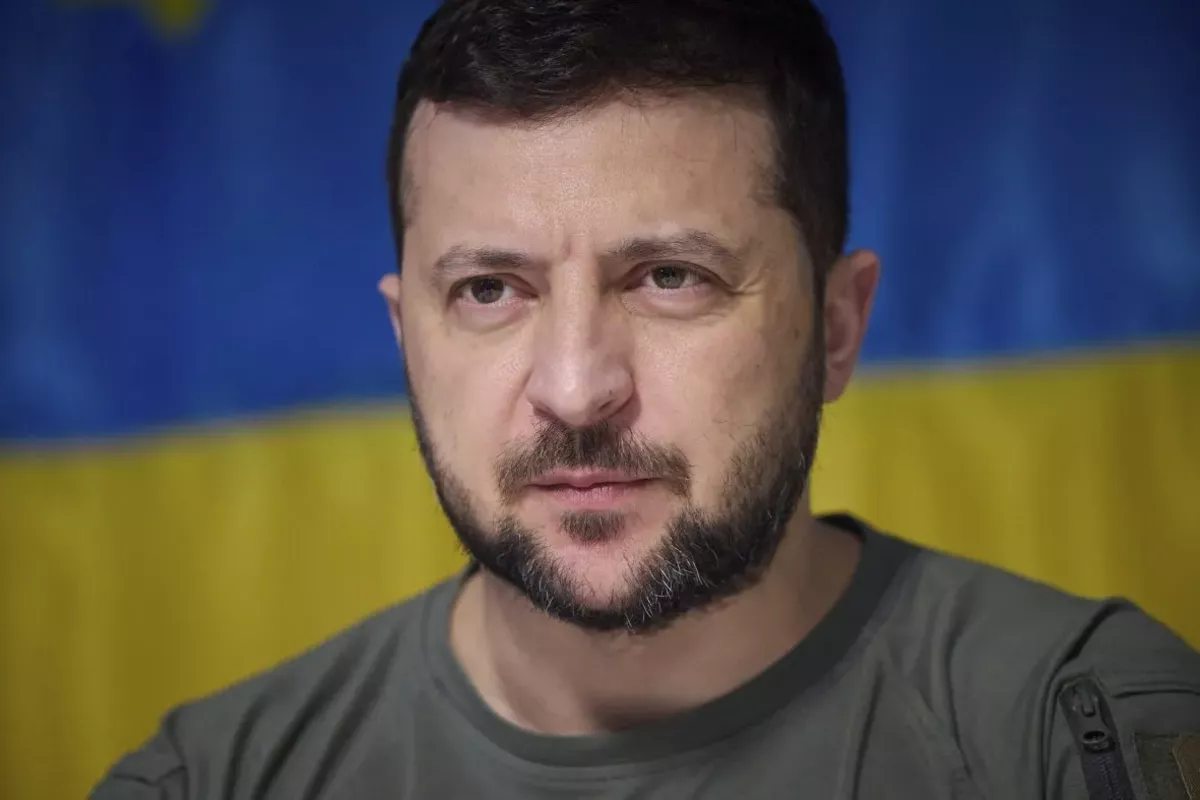
Iran’s rulers call Ukrainian President Volodymyr Zelensky a “clown,” a Western puppet, and the leader of a criminal gang. Yet the intensity of their response suggests something different.
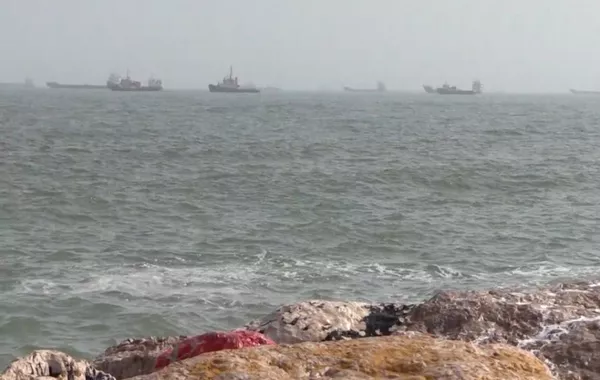
After a Ukrainian strike in the Caspian Sea hit an Iranian commercial vessel, regime officials and media outlets issued threats and debated retaliation. Some urged Tehran to punish European governments supporting Kyiv. For a leader they claim to dismiss, President Zelensky commands a remarkable amount of the Islamic Republic’s attention.
Tehran’s concern is not President Zelensky’s rhetoric. It is Ukraine’s ability to impose costs on the military partnership between the regime and Russia.
The regime supplied Russia with Shahed drones and the technology to manufacture them. It then claimed it was not a party to Russia’s war. President Zelensky rejects that fiction. By providing weapons used against Ukraine, the regime entered the conflict on Moscow’s side.
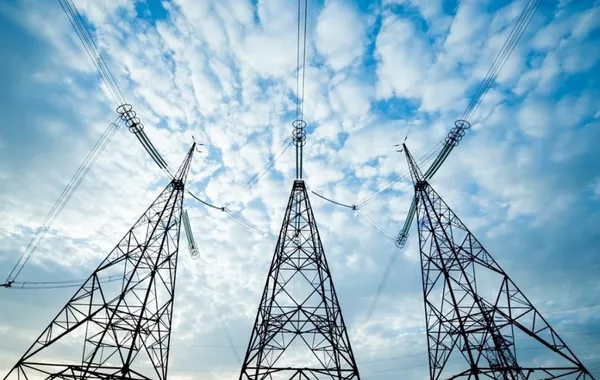
Russia has launched thousands of Shahed-type drones against Ukrainian homes, power stations, and other civilian infrastructure. Some were manufactured in Iran. Others are Russian-produced Gerans based on Iranian designs. They allow Moscow to sustain a relentless bombing campaign at relatively low cost.
Kyiv therefore has a clear interest in imposing costs on the military network supporting that campaign. Its target should be the regime’s military machinery and partnership with Russia - not the Iranian people, who have no say in either.
There is another reason Tehran is uneasy. Ukraine is much harder to intimidate than the governments the regime normally threatens.
The Arab states of the Persian Gulf have ports, refineries, financial centers, technology hubs, and carefully planned cities. A single missile or drone volley could inflict enormous economic damage. Even when these states possess the capacity to respond, they have powerful incentives to exercise restraint. Tehran cultivates and exploits that hesitation.
Ukraine does not fit this model. Its cities have already been battered. Its electrical grid has already been bombed. Its people are fighting for their national survival and independence. That is why President Zelensky worries Tehran. The regime’s most dangerous adversary is not necessarily the strongest. It is the one that cannot be intimidated into submission.
The Caspian Sea strike exposed a separate vulnerability.
As Iran’s southern waters face heavier American military pressure and naval restrictions, the Caspian basin has acquired greater strategic value. It provides Tehran with a northern corridor to Russia and Central Asia for commercial cargo, industrial supplies, military cooperation, and sanctions evasion.
Kyiv said the Iranian commercial ship was not deliberately targeted. But the strike demonstrated that Caspian traffic can no longer be treated as beyond Ukraine’s reach. If that corridor becomes contested, the cost of moving weapons, dual-use materials, and sanctioned cargo between the regime and Russia will rise. Tehran could face pressure on both its southern maritime routes and its northern military supply network.
President Zelensky should exploit this anxiety by accelerating and institutionalizing a strategy Ukraine has already begun.
Ukraine has spent years detecting and defeating Iranian-designed drones. It has also built a large domestic drone industry capable of producing effective systems at a fraction of the cost of traditional Western weapons. Ukrainian counter-drone experts have already assisted governments in the Middle East. Kyiv has also pursued longer-term defense cooperation with several Arab states of the Persian Gulf.
The next step is to bring Israel into this emerging framework and secure firm American backing.
Each partner offers a different comparative advantage. Ukraine brings battlefield experience and inexpensive interceptor drones. Israel brings advanced sensors, electronic warfare, intelligence, and air-defense technology. The Arab states of the Persian Gulf bring financing, industrial capacity, and a direct interest in protecting their infrastructure. The United States can provide coordination, advanced systems, production licenses, and political support.
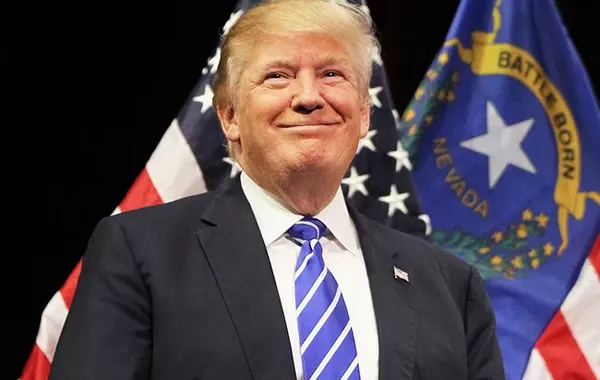
President Zelensky should present this to President Donald Trump as an expansion of an existing strategy, not another request for open-ended assistance. Integrating Ukrainian production, Israeli technology, American power, and investment from the Persian Gulf states would reduce the cost of defending American forces and regional allies. In return, Kyiv should seek additional air-defense systems, joint-production agreements, financing, and stronger sanctions enforcement against the procurement networks serving Tehran and Moscow.
President Zelensky has already met twice with Prince Reza Pahlavi, who, in turn, gave a speech earlier this year in Ukraine. Both leaders have a vital interest in seeing political change in Iran.
Prince Reza Pahlavi represents an alternative strategic direction for the country. A free and democratic Iran would have no interest in arming Russia, threatening Ukraine’s partners, or spending Iranian wealth on foreign wars. It could instead become a natural partner of Ukraine, Israel, the United States, and the Arab states of the Persian Gulf.
Tehran calls President Zelensky a clown because acknowledging the real threat would be less comfortable. He leads a country that has learned to absorb punishment, innovate under pressure, and strike military networks once considered beyond its reach.
Ukraine, Israel, the United States, the Arab states of the Persian Gulf, and the Iranian people now have an opportunity to pull in the same direction. That is not a prospect Tehran finds amusing.
See the original article here