Russia and China Expand Military, Intelligence Support for Iran Amid US Tensions
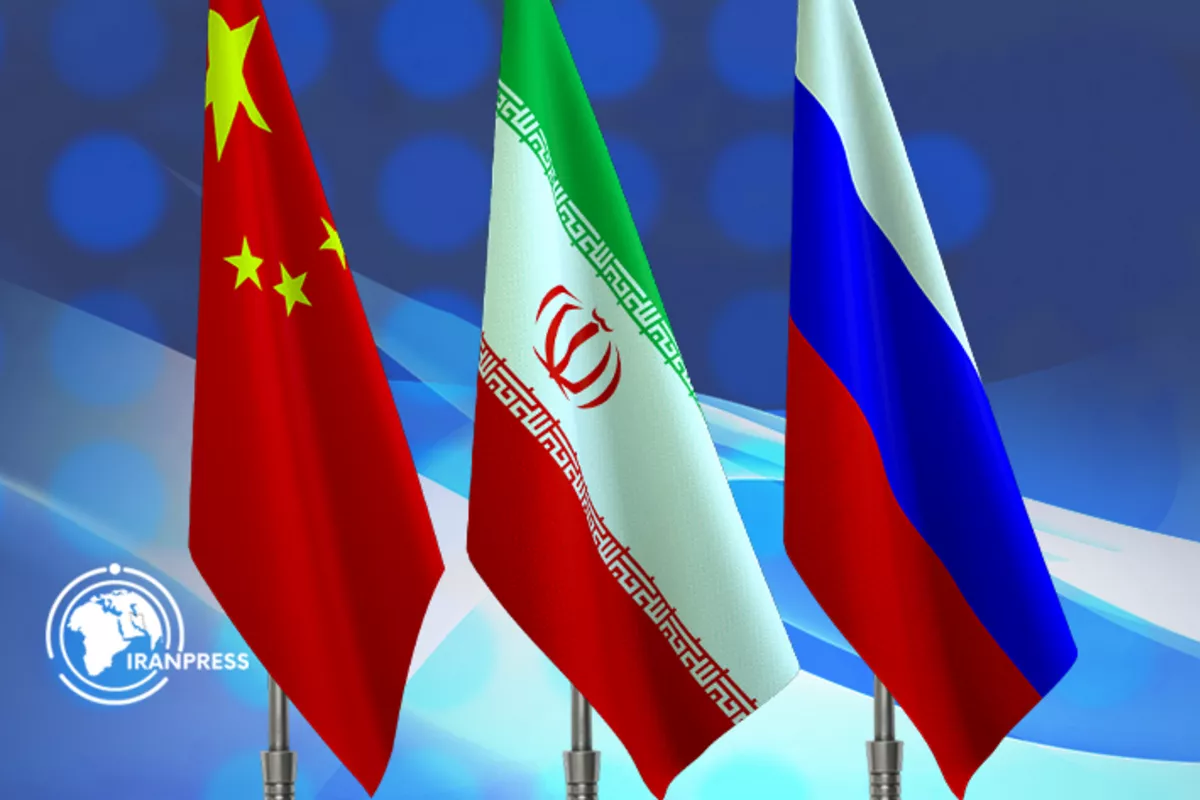
Russia and China are increasing their support for Iran as the ongoing armed conflict with the United States reshapes the regional balance of power.
Analysts say the motivations behind Moscow and Beijing’s actions go beyond protecting Iranian interests, reflecting each country’s own strategic calculations, UAWire reported.
According to Antonio Giustozzi, a senior research fellow at the Royal United Services Institute (RUSI), both Russia and China initially limited themselves to fulfilling existing contracts during the early stages of the conflict. But over time, their involvement has evolved significantly.
By late July, reports emerged of a contract delivering up to 400 QW-12 and FN-16 man-portable air defense systems, manufactured in China, to Iran. The first shipments are expected within weeks. At the same time, Tehran has succeeded in speeding up deliveries of previously ordered weapons. Sources within Iran’s Islamic Revolutionary Guard Corps (IRGC) claim that Russia handed over Verba MANPADS ahead of schedule, while China accelerated the transfer of CM-302 anti-ship missiles. Additionally, there are claims of six Mi-28 attack helicopters being delivered.
One of the most significant developments, according to the report, is a deeper exchange of intelligence. Citing sources familiar with the matter, Giustozzi writes that Beijing has signed an agreement with Tehran allowing the use of China’s BeiDou satellite navigation system and expanding satellite intelligence sharing. The report states that China has allegedly provided Iran with information on the locations of American assets in the Persian Gulf. Meanwhile, Russia has supplied intelligence and spare parts to help Iran repair its damaged S-300 air defense systems
Drones have become another area of cooperation, according to sources cited by Giustozzi. Iran has repeatedly asked Moscow for technology related to the Geran-2 and Geran-3 drones. The report states that Russia began delivering upgraded components, including Kometa-M electronic countermeasure systems and electronic warfare equipment for ballistic missiles. The sources also claim that China temporarily supplied Iran with one of its military satellites, granting Tehran near real-time regional intelligence that improved its targeting capabilities. These accounts, however, have not been independently confirmed.
Giustozzi suggests that Moscow and Beijing’s shift in stance is driven by multiple factors, such as Iran’s resilience, the desire to complicate US efforts, and a wish to demonstrate the risks of a forceful American approach. For Russia, the prospect of leveraging support for Tehran as a bargaining chip with Washington is seen as an additional factor. The article also mentions reports that Moscow previously proposed ending support for Iran in exchange for an end to US aid to Ukraine-a suggestion that reportedly went nowhere.