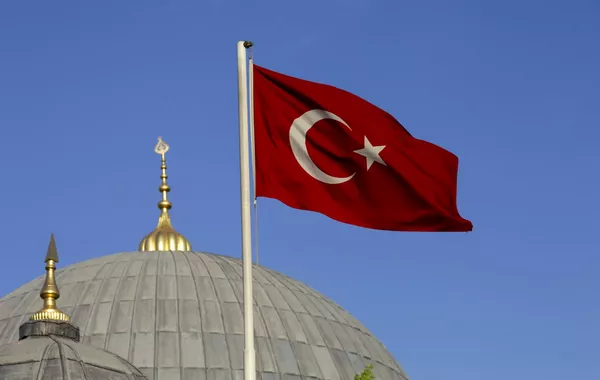
Can NATO's Ankara Summit Reshape Gulf Security?
As Manfred Worner, then-NATO secretary general, said in 1993: "The collapse of Soviet communism has left us with a paradox: there is less threat, but also less peace." The structural concern of global politics after the end of the Cold War was how to renavigate the world's status quo under an updated version of US hegemonic power. Since the military escalation on February 28 of this year, however, a structural change has been emerging in the (in)security embedded in the Gulf's political geography-namely, the reality of a direct military offensive from Iran. Iran's military posture has been a potential threat to regional security since 1979, and regardless of its motivations, the Gulf states have perceived the Islamic republic as an adversary in various ways.
Several defining factors characterize the pre-Feb. 28 security architecture of the Arab Gulf states, a framework in which NATO has played only a limited role in supporting regional peace. First, the military security capabilities of the Gulf states-including air defense systems, maritime security operations in the Strait of Hormuz and the Red Sea, cyber defense, and other conventional and unconventional assets-are largely imported. These security needs have heavily depended on bilateral agreements with the United States since 1991. Bahrain, Kuwait, Saudi Arabia, and Qatar are designated as Major Non-NATO Allies (MNNAs) by the US. Over time, they have also diversified their security partnerships through cooperation with European actors, China, Türkiye, and even Israel. Yet none of the Arab Gulf states is domestically self-sufficient in providing for its national security. The current trend is therefore to cooperate with a broader range of external powers while simultaneously investing in national defense industries, as demonstrated by the initiatives of the UAE, Saudi Arabia, and Qatar.
Istanbul Cooperation Initiative
Second, the Gulf states are relatively latecomers to the NATO security umbrella, as the Istanbul Cooperation Initiative (ICI) was launched only in 2004. The UAE, Qatar, Bahrain, and Kuwait are members of the ICI and actively engage with NATO policies. However, Saudi Arabia and Oman remain outside the initiative. Considering their critical security roles in the region, particularly regarding the Strait of Hormuz, their absence constitutes the first major challenge for NATO: there is no unified position among the Arab Gulf states regarding security cooperation with the alliance.
The ICI is based on six core principles: non-discrimination, self-differentiation, two-way engagement, non-imposition, diversity, and complementarity with other international initiatives in the region. Just as the 2003 Iraq War generated new security concerns in the Gulf and initiated a new phase of cooperation with NATO, the current regional escalation may likewise open another phase of collaboration in line with NATO 3.0 policies. Yet, so far, less than 15% of the proposed NATO activities under the ICI have actually been implemented. The roles of Bahrain, the UAE, and Qatar in NATO operations in Afghanistan, Kosovo, Libya, and Syria have remained limited, although symbolically important.
Individual Cooperation Programs
Looking back at the institutionalization of NATO's role in Gulf security, another milestone was reached in 2008 when the partnership expanded into a multilateral framework through the convening of the NATO meeting with four Gulf states. Acknowledging the challenge of GCC-wide cooperation, the Strasbourg/Kehl Summit Declaration of 2009 openly announced that NATO sought Individual Cooperation Programs (ICPs) for Gulf states:
"The security and stability of the Gulf region is significant to the Alliance. We are pleased with the significant progress achieved in the framework of the Istanbul Cooperation Initiative (ICI) since its establishment in 2004. Political consultations and practical cooperation have intensified, and new opportunities have been created in key areas such as energy security, maritime security and training and education. We encourage our ICI partners to develop ICPs. We value highly the support provided by our ICI partners to NATO's operations and missions."
This emphasis on ICPs was a clear indication that NATO recognized the structural challenges of developing a joint framework for cooperation with the Arab Gulf states. This reality translated into policy implications that differentiated the Gulf monarchies from one another regarding burden-sharing. The UAE has arguably emerged as the alliance's most enthusiastic partner, establishing a permanent mission to NATO headquarters in 2012. Kuwait may be considered another increasingly important NATO partner in the Gulf, as it hosts the ICI Regional Centre and is the first Gulf state to sign a transit agreement with NATO, allowing the use of its territory for NATO logistics.
While the GCC as a sub-region faces common and significant security challenges, it does not share a unified understanding of security. This also means that member states have different expectations of NATO. The alliance could play a role in strengthening maritime security in the Gulf, particularly as recent regional conflicts have exposed vulnerabilities in this domain. However, the dominant role of the United States remains an issue to address, as NATO-US burden-sharing arrangements continue to be ambiguous. Moreover, beyond these GCC-related obstacles, NATO's strategic priorities are not focused solely on the Middle East while the war in Ukraine continues.
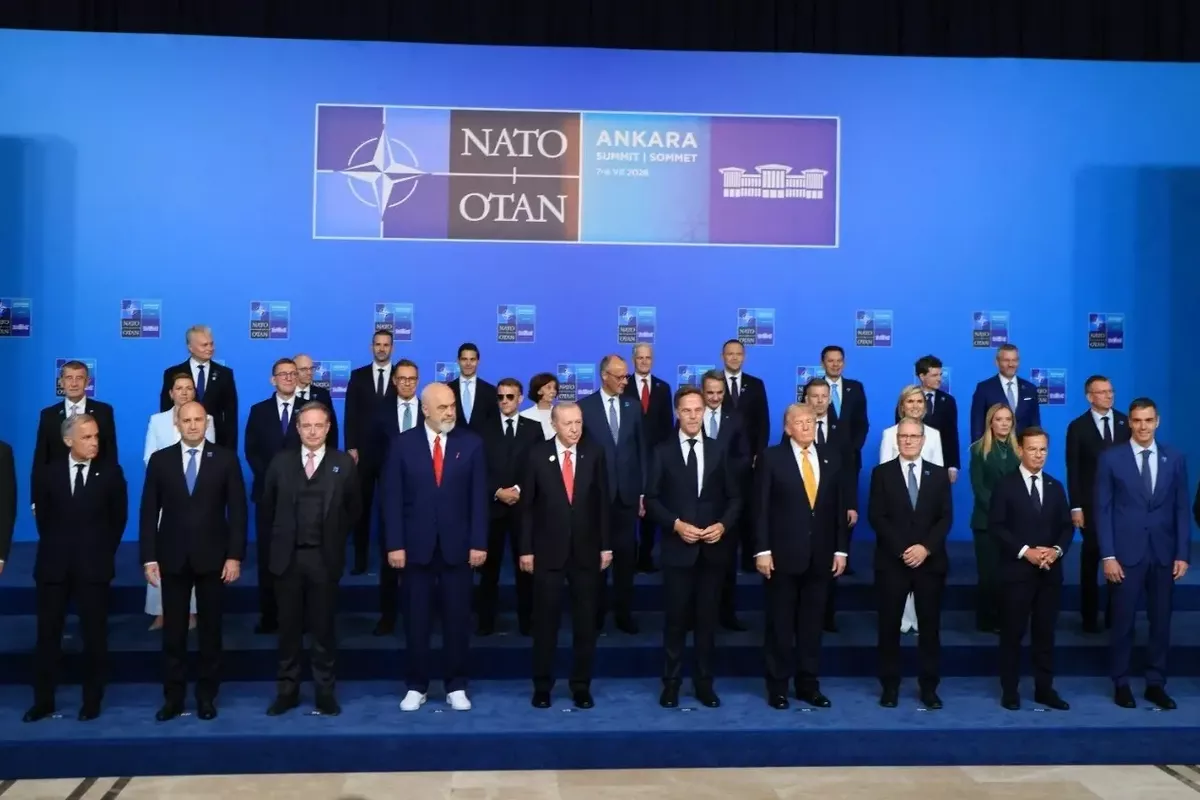
The Importance of NATO's Ankara Summit
As Zeki Levent Gumrukcu, Türkiye's deputy foreign minister, announced during his speech at the Washington Institute, a special session with the four Gulf countries participating in the Istanbul Cooperation Initiative will be held during the upcoming Ankara Summit.
Considering the existing cooperation and the potential to expand collaboration across several security domains, can the Ankara Summit reshape Gulf security? Structural and institutional challenges remain on both sides. Nevertheless, the current regional instability has underlined the need for a more effective security design and a better burden-sharing framework in the Gulf. As each Gulf state seeks to strengthen its own deterrence capabilities, this summit is critically important in determining whether NATO will become a stronger component of these emerging security policies.
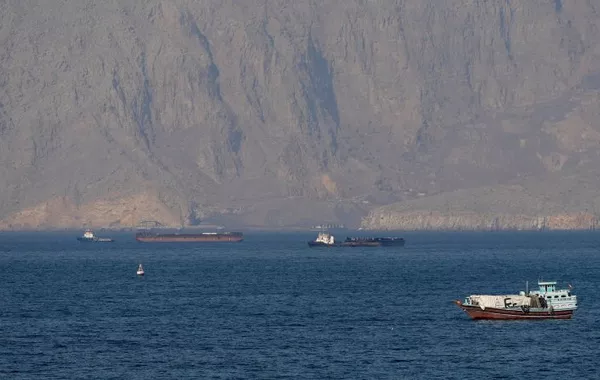
One particularly critical area is maritime security. NATO has considerable experience in this field, and alliance documents have repeatedly emphasized that NATO can contribute to burden-sharing in Gulf maritime security-not only by ensuring safe passage through the Red Sea and the Strait of Hormuz but also by contributing to environmental protection by preventing marine pollution resulting from attacks on ships and oil tankers.
Maritime security has long been an overlooked dimension of the Gulf security architecture. Although the possibility of attacks by Iran or the Houthis has remained on the regional agenda for years, reliance on the US Navy has been the primary pillar of the Gulf's deterrence strategy. NATO could assist Gulf states not only by proposing a more institutionalized joint maritime architecture for the strait but also by supporting national maritime strategies through further training and operational cooperation mechanisms. Such steps could help transform the current confrontation with Iran in the Strait into a more internationally and multilaterally supported deterrence framework. The Gulf states already operate a Unified Maritime Operations Centre in Bahrain under the umbrella of the Peninsula Shield Force. If this framework were complemented by more functional cooperation with NATO, these sub-regional initiatives could become considerably more effective.
Find the original article here