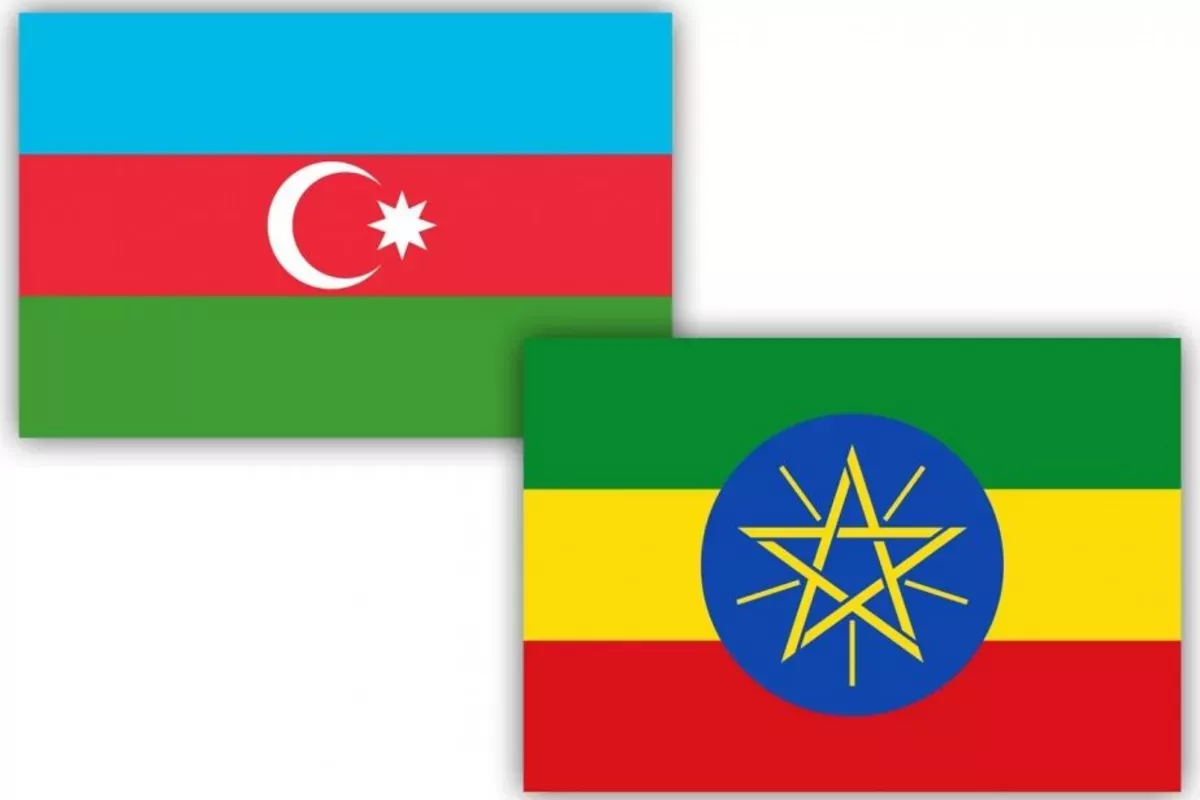
When Ethiopia secured the African Group's endorsement in November 2025 to host COP32 in Addis Ababa in 2027,1 the achievement was read almost entirely through a continental lens: a diplomatic win for Ethiopia, and for an Africa seeking a louder voice in global climate governance. That reading is not wrong, but it is incomplete. It treats COP32 as an endpoint rather than as a mechanism, and in doing so it misses the more consequential story unfolding alongside it - the rapid construction of a working partnership between Ethiopia and Azerbaijan, the host of COP29 in Baku in 2024.
The deeper pattern here is not climate cooperation for its own sake. It is what this brief calls shared-mandate diplomacy: two states holding sequential, functionally similar international mandates - in this case, non-consecutive COP presidencies - turn the technical overlap of those mandates into a durable channel for bilateral expansion across sectors that have little to do with climate at all. Azerbaijan and Ethiopia are not passing a baton in the conventional sense; Baku's COP29 and Addis Ababa's COP32 are neither adjacent nor institutionally linked. What they share is a mandate-shaped opening, and both governments have moved to use it.
This brief argues that the COP32 memorandum of understanding, signed on February 27, 2026,2 functions less as a stand-alone technical arrangement than as the organizing instrument of a broader strategic engagement - one already visible in parallel agreements on defense, investment, agriculture, media and anti-corruption cooperation.
How Shared-Mandate Diplomacy Works
Shared-mandate diplomacy differs from ordinary technical assistance in three ways. First, it is time-bound and externally imposed: the mandate - hosting a COP, chairing a regional body, holding a rotating seat - exists independently of the bilateral relationship and creates a deadline neither side controls. Second, it is low-risk by design: unlike defense pacts or large capital transfers, mandate-sharing cooperation (delegation training, logistics exchange, negotiating-bloc coordination) can start immediately, without extended political vetting. Third, and most important, it is used deliberately as a forward operating base for unrelated cooperation - the mandate becomes a platform through which officials, ministries and institutions build the working relationships that later carry investment, security and parliamentary agreements.
Ethiopia and Azerbaijan fit the model closely. The COP32 memorandum did not arrive on its own. It was signed the same day as agreements on defense cooperation, agriculture, investment promotion, media cooperation and anti-corruption - a signing pattern that treats the climate mandate as one line item inside a coordinated package, not as its own diplomatic event.
A Relationship Moving on Several Tracks at Once
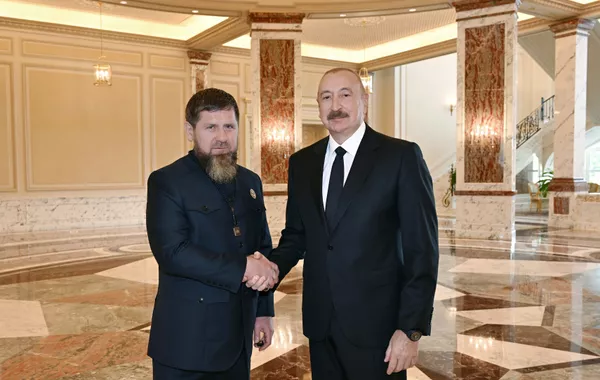
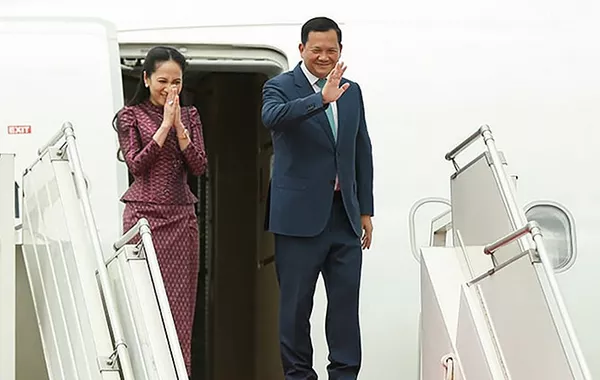
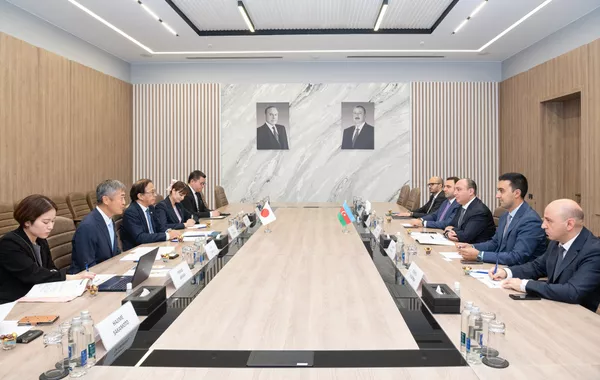
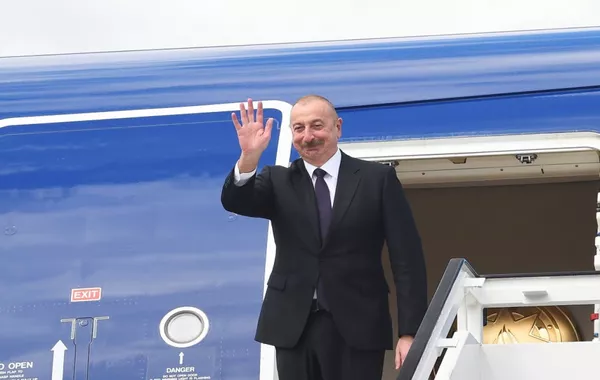
The most visible acceleration came in late February 2026, when Prime Minister Abiy Ahmed made his first official visit to Azerbaijan. During talks with President Ilham Aliyev, the two sides moved beyond general diplomatic engagement and formalized cooperation across several sectors. The visit also exposed the Ethiopian delegation to Azerbaijani public-service, energy and logistics institutions, including the ASAN service model, the Sangachal energy complex and the Alat Free Economic Zone - exactly the kind of institutional exposure shared-mandate diplomacy is built to generate.
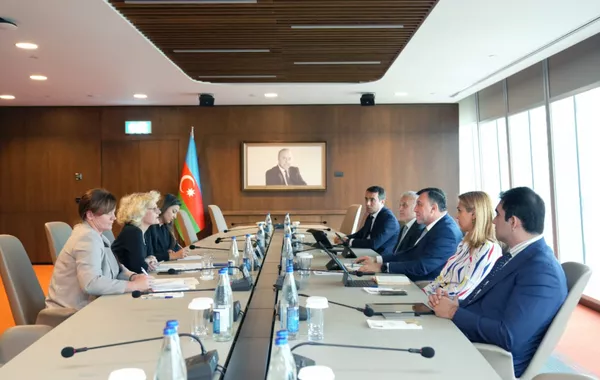
The momentum continued after the Baku visit. In July, Sahiba Gafarova, Speaker of Azerbaijan's Milli Majlis, travelled to Addis Ababa and met Ethiopian leaders and parliamentary counterparts. She also addressed an event at the Institute of Foreign Affairs focused on Azerbaijan-Ethiopia relations, parliamentary dialogue, cooperation and multilateralism. During the visit, IFA and the Institute for Development and Diplomacy of ADA University signed an MoU covering joint research, training, exchanges and high-level conferences5 - evidence that the mandate-sharing logic has already moved from government ministries into research and academic institutions.
Climate Diplomacy as the Connective Thread
Azerbaijan's recent COP29 experience gives Ethiopia access to practical knowledge directly relevant to hosting COP32: conference logistics, delegation management, financing negotiations, side-event diplomacy and the coordination required to turn a global summit into a broader diplomatic platform. COP29 also concluded with a new climate-finance goal of at least $300 billion annually for developing countries by 2035, alongside a wider ambition to mobilize $1.3 trillion per year.6 For Ethiopia, which will host COP32 as African states keep pressing for more credible and accessible climate finance, the political lessons from Baku may matter as much as the operational ones.
This is where the shared-mandate channel earns its keep rather than simply proving convenient. Technical cooperation on summit preparation can start quickly and show results without the political risk or long negotiation that defense or large-scale investment agreements demand. It creates regular contact among officials, planners, institutions and policy communities - contact that builds familiarity and trust while the more sensitive or capital-intensive parts of the relationship develop at their own pace.
Pushback: A Coincidence of Timing?
The strongest challenge to the shared-mandate framing is a skeptical one: that Ethiopia and Azerbaijan are not executing a deliberate strategy at all, but simply two middle powers pursuing independent diversification agendas that happen to intersect around a climate calendar. On this reading, Azerbaijan's post-COP29 outreach to Africa is opportunistic and broad rather than Ethiopia-specific - Baku has pursued similar climate-diplomacy openings with other African and Global South states - while Ethiopia's economic and political ties with Gulf and Caspian-basin states have been expanding for reasons that have nothing to do with any COP calendar. On this view, treating the COP32 MoU as the organizing instrument of the relationship risks over-reading a single signing ceremony and assigning intent the evidence does not yet support.
This skepticism has real force, and the record partly concedes it: public reporting does not establish that COP cooperation caused the broader rapprochement, and economic and political ties were already expanding before the COP32 MoU was signed. But the pushback understates two things the record does show. First, sequencing matters even where causation cannot be proven - defense, investment, agriculture, media and anti-corruption agreements being bundled into the same signing date as the COP32 memorandum points to coordinated packaging by both governments, not parallel but unrelated tracks. Second, the shared-mandate framing does not require that climate cooperation caused the relationship; it only requires that both sides are using the mandate strategically as an accelerant and organizing device for a relationship whose other drivers predate it. On that narrower, more defensible claim, the Ethiopia-Azerbaijan case still holds: a coincidence of timing became, through a bundled MoU package and sustained institutional follow-through, an instrument of deliberate diplomatic sequencing.
Why the Shared-Mandate Channel Matters for Ethiopia
For Ethiopia, the immediate benefit is practical. Hosting COP32 will place significant pressure on infrastructure, logistics, diplomatic coordination and negotiating capacity. Ethiopia has already shown it can convene major continental climate gatherings, including the Second Africa Climate Summit in Addis Ababa in September 2025. COP32, however, will require Ethiopia to operate at the center of the UNFCCC process and manage competing expectations from developed countries, developing states, vulnerable economies, investors, civil society and African partners.
A technically successful summit would strengthen Ethiopia's claim to be more than a venue for African diplomacy. It would reinforce Addis Ababa's position as a place where African priorities can be aggregated and projected into global negotiations. The Azerbaijan partnership can support that objective if the cooperation moves beyond ceremonial exchanges and is used to extract practical lessons from COP29 - especially on climate-finance bargaining, summit management, stakeholder coordination and the design of side events that produce durable partnerships.
The bilateral relationship also gives Ethiopia a wider diplomatic advantage. Azerbaijan is looking to deepen its engagement with Africa, while Ethiopia offers diplomatic reach, continental institutions and a large market at the center of the Horn. The shared-mandate channel gives both sides a low-friction entry point: Ethiopia gains recent technical experience, while Azerbaijan gains a credible platform for sustained engagement with an African partner whose regional and continental role extends beyond climate policy.
From Technical Cooperation to Strategic Partnership?
The central question is whether the COP32 track can generate benefits that outlast the summit. Shared-mandate diplomacy becomes strategically significant only when the mandate-driven contact it produces turns into lasting institutional links, repeated high-level engagement and complementary interests in other sectors. The signs are already visible: defense cooperation, investment promotion, agriculture, parliamentary diplomacy and institutional partnerships are moving alongside the climate track.
That distinction matters for how Addis Ababa manages the relationship going forward. If Ethiopia treats the Baku connection only as a short-term technical arrangement for COP32, the relationship may lose momentum after 2027, and the mandate-sharing model will have produced a single, non-repeatable episode. If, however, the two sides use the summit preparation period to deepen institutional links, identify viable investment and technology partnerships, and build sustained channels between policy institutions, the shared-mandate opening could become a template Ethiopia repeats with other states holding comparable rotating mandates - not just a foundation for this one partnership.
Three issues deserve close attention as COP32 preparations intensify. First is the depth of implementation: which parts of Azerbaijan's COP29 experience are actually being transferred, and through which Ethiopian institutions? Second is whether the cooperation produces measurable gains for Ethiopia's summit strategy, particularly on climate finance, African negotiating coordination and conference delivery. Third is whether the trust and working relationships created around COP32 spill into investment, agriculture, technology, education and other strategic sectors.
The deeper significance of the Baku-Addis connection lies not in the symbolism of two COP hosts cooperating, but in whether Ethiopia can convert a mandate-driven technical partnership into lasting diplomatic and institutional leverage. Shared-mandate diplomacy explains why the relationship accelerated when it did and why it moved on so many tracks at once - the COP32 mandate gave both governments a deadline, a platform and a bundle of low-risk entry points that a purely bilateral overture might have lacked. COP32 gives the two governments a defined project and a deadline. What they build around that project, and whether Ethiopia extends the shared-mandate model beyond this single partnership, will determine whether the climate channel remains a useful episode or becomes one of the anchors of a new African-Caucasus partnership.
By Brook Gebremedhine Birega, Institute of Foreign Affairs