Green Hydrogen Cooperation Between Europe and Emerging Markets Could Support Cleaner Aviation
New energy partnerships linking Europe, Azerbaijan and Central Asia could help develop the renewable fuels needed to decarbonise aviation and other transport sectors.
European and international energy leaders gathered in Brussels on 28 October to explore opportunities for green hydrogen cooperation between Europe and emerging clean energy markets, with potential implications for the future of sustainable aviation, transport and regional connectivity, according to Travel Tomorrow.
The high-level event, entitled Connecting Europe with Emerging Clean Energy Markets: Accelerating Green Hydrogen Development, was jointly organised by the Economic Cooperation Organization Clean Energy Centre (CECECO), SOCAR Green and Hydrogen Europe on the sidelines of European Hydrogen Week 2026.
Discussions focused on the development of future green energy and hydrogen corridors connecting Europe with Azerbaijan, Central Asia and neighbouring markets. Participants examined how international partnerships, investment and infrastructure could support the transition towards cleaner energy systems.
Although aviation was not a specific focus of the event, the development of green hydrogen production and supply chains could have wider implications for transport industries seeking alternatives to fossil fuels.
Green Hydrogen and the Future of Sustainable Aviation
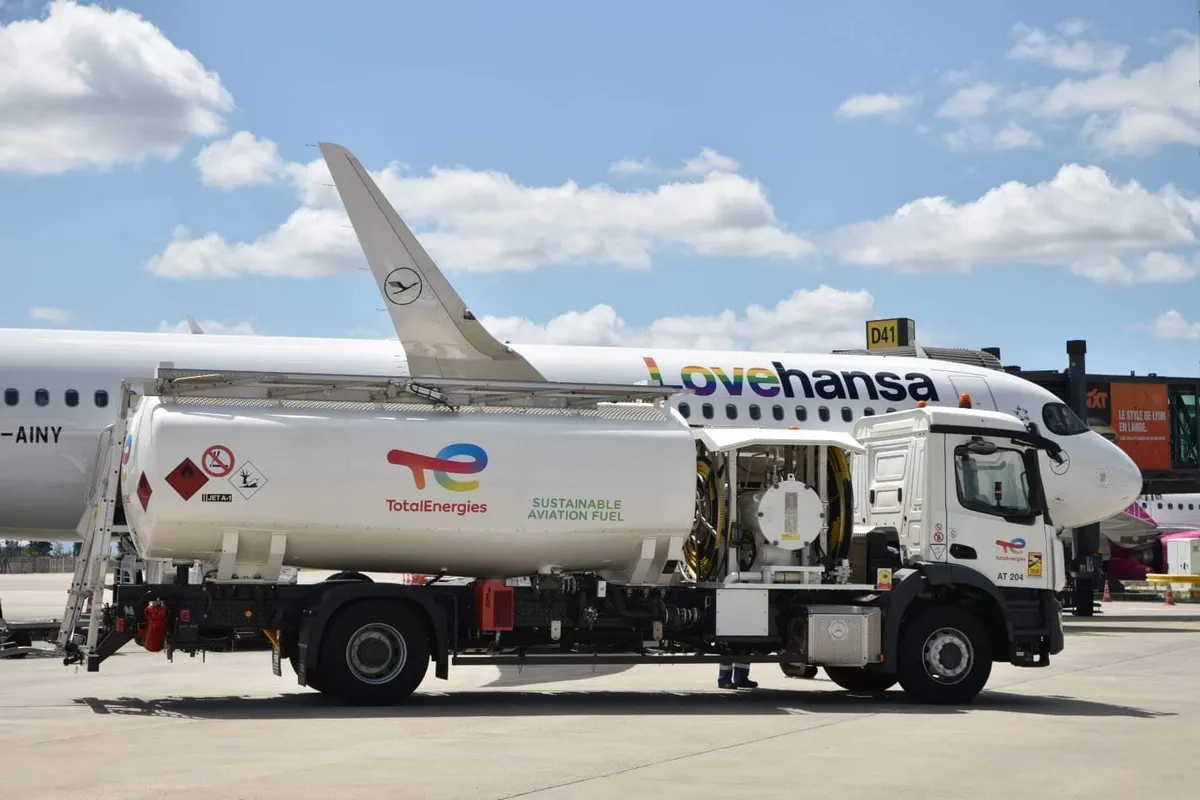
Green hydrogen, produced using renewable electricity, is increasingly recognised as an important component in the production of synthetic aviation fuels, also known as e-fuels.
These fuels combine renewable hydrogen with captured carbon dioxide to produce alternatives to conventional jet fuel. Unlike hydrogen-powered aircraft, which require different propulsion and storage systems, synthetic aviation fuels can be designed for use in existing aircraft and airport fuel infrastructure.
Under the European Union’s ReFuelEU Aviation regulation, fuel suppliers must progressively increase the proportion of sustainable aviation fuel (SAF) available at EU airports.
The minimum SAF requirement, introduced at 2% in 2025, will increase to 6% in 2030 and 20% in 2035, before reaching 70% by 2050. Synthetic aviation fuels will also be subject to dedicated requirements from 2030, reflecting their expected contribution to reducing aviation emissions.
However, producing these fuels at scale requires substantial quantities of renewable electricity, green hydrogen and investment in new production facilities. Cooperation with countries developing renewable energy resources could therefore become increasingly relevant to Europe’s aviation fuel supply chains.
Azerbaijan and Europe Explore New Energy Corridors
Opening the Brussels event, Mammad Ahmadzada, Azerbaijan’s Ambassador to Belgium, highlighted the strategic energy relationship between Azerbaijan and the European Union.
He emphasised Azerbaijan’s role as a reliable energy partner and the opportunities to strengthen cooperation in renewable energy and green hydrogen.
The discussions also examined the potential for new energy corridors linking Europe with the Economic Cooperation Organization (ECO) region, which includes countries across Central and Western Asia.
These connections could facilitate the development of renewable energy projects, encourage cross-border investment and strengthen energy cooperation between producing and consuming markets.
The discussions brought together representatives from the energy industry, international organisations and emerging clean energy markets to examine the investment, infrastructure and international cooperation needed to accelerate green hydrogen development.
International Cooperation Could Help Accelerate Cleaner Transport
The Brussels discussions come as Europe seeks to expand renewable energy production and develop the infrastructure needed to support its climate objectives.
For aviation, the availability and cost of sustainable fuels remain significant challenges. Synthetic fuels are particularly dependent on access to affordable renewable electricity and green hydrogen, making international energy cooperation potentially important for their future development.
Hydrogen also has applications beyond aviation, including maritime transport and certain forms of road mobility, where it can be used directly or converted into alternative fuels.
Nevertheless, the development of international hydrogen corridors does not automatically translate into additional sustainable aviation fuel production. Dedicated manufacturing facilities, transport infrastructure, commercial agreements and regulatory compliance would be required to establish such supply chains.
By bringing together energy producers, technology specialists and policymakers from Europe and neighbouring regions, the Brussels initiative highlighted the growing importance of cross-border cooperation in developing cleaner energy markets.
As European aviation faces increasingly demanding decarbonisation targets, initiatives aimed at expanding renewable energy production and strengthening international cooperation could contribute to more diversified sustainable fuel supply chains.
For the travel industry, the long-term significance of such partnerships will depend on whether they can translate investment and policy commitments into affordable, commercially available alternatives to conventional aviation fuel.
By Martin Banks