What UN Study Reveals About Global Implications of Hormuz Disruption
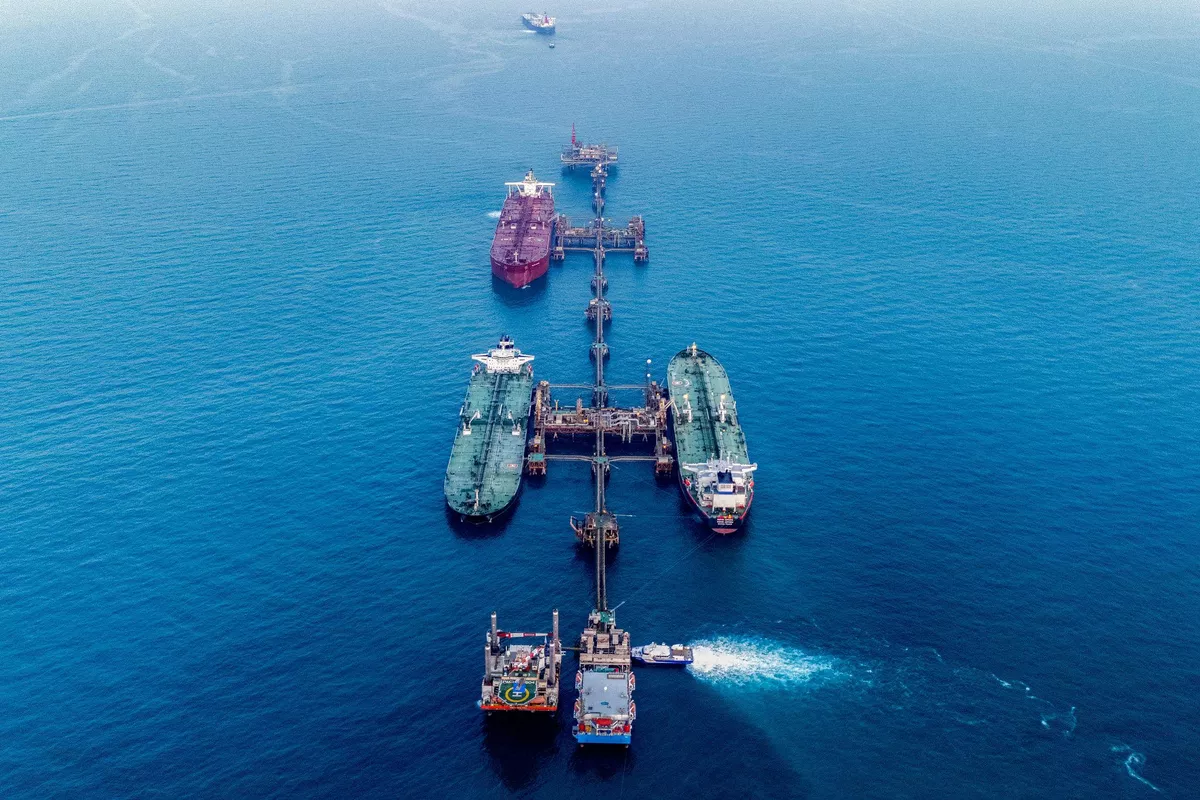
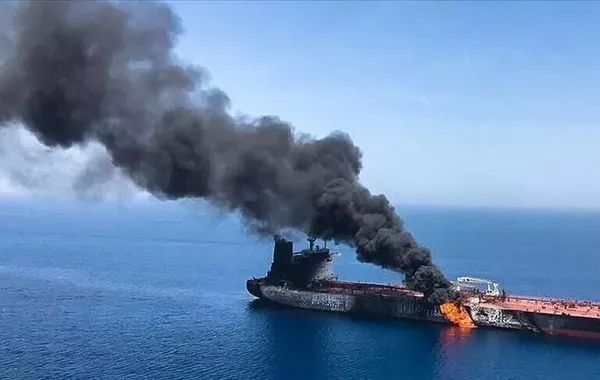
The Strait of Hormuz is one of the most strategically important maritime chokepoints in the world. Linking the Persian Gulf with the Gulf of Oman and the wider Indian Ocean, the narrow waterway plays a central role in the global movement of oil, gas, and other critical commodities. Any disruption to shipping in this corridor can have far-reaching consequences for energy markets, food security, and global economic stability.
A recent analysis by the United Nations Conference on Trade and Development (UNCTAD) highlights the potential global implications of a disruption or closure of the strait during periods of geopolitical tension. The study underscores how instability in this key maritime route could ripple across international supply chains and disproportionately affect developing economies.
A Critical Artery for Global Energy Trade
The Strait of Hormuz handles a significant share of the world’s energy shipments. Oil producers in the Persian Gulf rely heavily on this passage to export crude oil and liquefied natural gas to markets in Asia, Europe, and beyond.
Because of this central role, even limited disruptions can rapidly affect global shipping and energy markets. According to the UNCTAD analysis, periods of heightened tension in the region have already pushed freight rates for oil tankers upward, while war-risk insurance premiums for vessels have surged. These rising costs ultimately feed into higher transport expenses throughout global supply chains.
In addition, the cost of marine fuel used by cargo ships has been increasing, adding further pressure on shipping companies and global trade flows.
Impact Beyond Oil: Fertiliser and Food Security
While the strait is widely known for its importance to oil exports, it is also critical for the transport of agricultural inputs.
UNCTAD notes that roughly one-third of global seaborne fertiliser trade - around 16 million tonnes annually - passes through the Strait of Hormuz. This makes the corridor essential for maintaining global food production.
A disruption to these shipments could significantly affect fertiliser availability, particularly in developing countries that depend heavily on imports. Reduced access to fertilisers could ultimately translate into lower agricultural output and higher food prices, intensifying food security challenges in vulnerable regions.
Developing Economies Face Greater Risks
The UN agency warns that developing economies are especially exposed to disruptions in global trade routes like the Strait of Hormuz.
Many of these countries already face:
In such circumstances, sudden increases in energy prices, shipping costs, or agricultural inputs can place significant strain on national economies. Higher import costs can also weaken currencies, widen trade deficits, and contribute to inflation.
Lessons From Recent Global Crises
Recent events have demonstrated how quickly disruptions can cascade through interconnected markets. UNCTAD points to previous global crises - including the COVID-19 pandemic and the Russian invasion of Ukraine - as examples of how shocks in energy, transport, and agricultural supply chains can spread worldwide.
Both crises led to major spikes in fuel, shipping, and food prices, highlighting the vulnerability of global trade networks to geopolitical tensions and logistical disruptions.
The Strait of Hormuz represents a similar systemic risk. Because so many industries depend on commodities that transit the waterway, a prolonged disruption could trigger wide-ranging economic consequences across multiple sectors.
The Importance of Protecting Maritime Trade Routes
UN officials stress that the scale of the economic impact from disruptions in the Strait of Hormuz would depend largely on how long and how severe the disruption becomes.
Stéphane Dujarric, spokesperson for the United Nations, noted that continued monitoring of the situation is essential. International cooperation, he said, is necessary to safeguard global maritime trade corridors and ensure that shipping routes remain open and secure in accordance with international law.
A Strategic Chokepoint With Global Consequences
The Strait of Hormuz illustrates how geography and geopolitics intersect in the modern global economy. As a narrow maritime passage carrying vast quantities of energy resources and essential commodities, the strait functions as a critical lifeline for international trade.
Any disruption in this corridor - whether due to conflict, political tensions, or security threats - has the potential to influence energy prices, food supply chains, and economic stability worldwide.
For policymakers, businesses, and international organisations, ensuring the security and openness of such maritime chokepoints remains essential to maintaining the resilience of the global trading system.