Geneva Talks with Iran, US Weighs Diplomatic vs. Military Paths
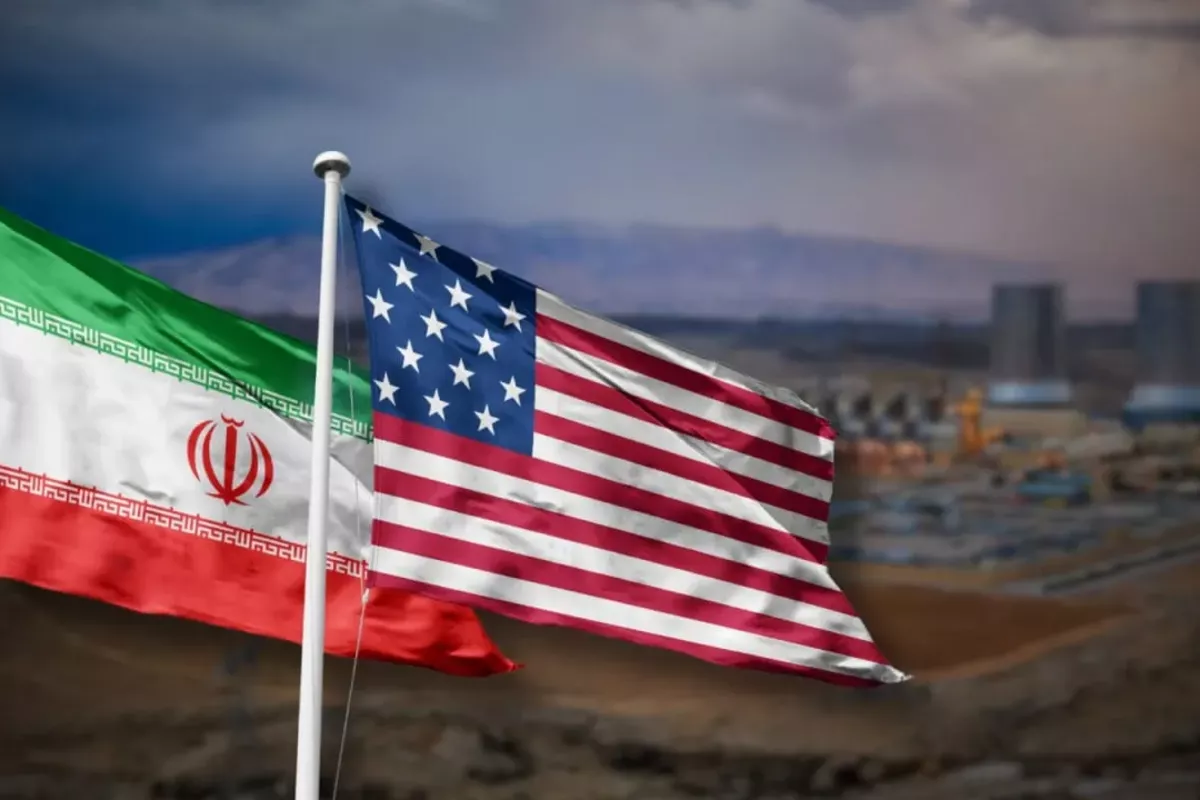
A lot is at stake in Geneva as the U.S. seeks to engage in talks with Iran and Russia. The discussions appear complex and are likely to face several challenges.
Meanwhile, the US continues to concentrate firepower in the Middle East. US envoy Steve Witkoff and Jared Kushner departed for Geneva overnight between February 16 and 17, as a Russian delegation also had to fly a circuitous route to the same talks, The Caspian Post reports, citing foreign media.
Iranian state media IRNA conducted an exclusive interview with Iranian Foreign Ministry spokesman Esmaeil Baqaei just before the Iranian delegation left for Geneva. “Tehran has dispatched a comprehensive delegation to Geneva for the second round of negotiations, Foreign Ministry spokesman Esmaeil Baqaei says, stressing that Iran sees no benefit in prolonging the talks,” IRNA noted.
“In this round of negotiations, we will attend with a full team; a political, legal, economic, and technical team,” Baqaei noted. “From our side, all the experts and representatives necessary to comment on and decide about the various dimensions of an understanding are present,” he said.
CNN noted on February 17 that “US Secretary of State Marco Rubio said over the weekend that President Donald Trump prefers diplomacy in dealing with Iran and that the administration is focused on negotiations.” Apparently, talks with Iran will take place, followed by trilateral talks with the Russians and Ukrainians.
“US envoy Steve Witkoff and Jared Kushner are expected to meet with Iranian officials today in Geneva,” CNN said.
Geneva talks mark a critical moment for US-Iran diplomacy
Al-Ain media in the UAE said that “hopes pinned on the magic of nature to break through politics.” This is how the Gulf and the Middle East view the talks: countries in the region hope to avoid war.
Trump has said he hopes for an agreement with Kyiv and Moscow. In the last year, the White House has sought to get a deal but has also shown it will wait for both sides to come to the table. “Ukraine and Russia had described two previous rounds of talks in the United Arab Emirates as fruitful,” Al-Ain said.
There are many issues involved in the Russia-Ukraine talks, including the Russian-occupied areas of Ukraine and Western security guarantees for Ukraine.
The talks come after the Munich Security Conference, where many countries discussed the new world order. They also come as US Secretary of State Marco Rubio was in Hungary this week.
Russia’s delegation is headed by historian and culture minister Vladimir Medinsky, according to reports.
Al-Ain noted that that “United States and Iran are holding a second round of talks in Geneva on Tuesday, which began in February, amid threats of US military action against Iran, while Tehran spoke of a ‘more realistic’ stance from Washington regarding its nuclear program.”
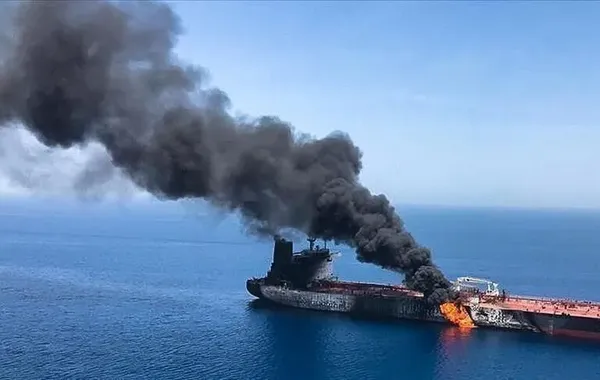
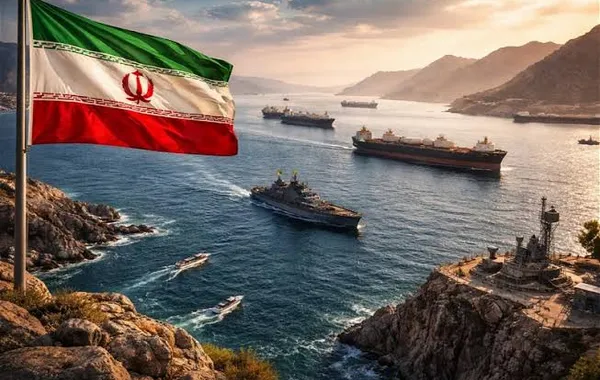
The same report says that “as Washington bolsters its military presence in the Middle East, Tehran has threatened an immediate response to any attack. The Revolutionary Guard began military exercises in the Strait of Hormuz on Monday.”
Meanwhile, Iran’s foreign minister has said that Iran wants the US and international sanctions lifted. Iran wants a "results-based diplomacy to ensure the interests and rights of the Iranian people, and peace and stability in the region." Al-Ain notes that “Iran insists that the talks be limited to the nuclear file, which Western countries suspect is aimed at developing a nuclear weapon, something Tehran consistently denies.”
Baghaei has “emphasized that Tehran seeks to conclude the negotiations within the shortest possible timeframe and has therefore ensured the presence of all required specialists in Geneva,” according to his talks with IRNA. “We are negotiating under conditions of complete suspicion and mistrust. We have previous experiences, and we are not permitted under any circumstances to take these experiences even for a moment out of our sight,” he said.
Iran’s Secretary of the Supreme National Security Council, Ali Larijani, has recently traveled to Muscat and Doha.
Iran says that the “12-day war imposed by Israel and the US on Iran significantly altered certain aspects of the situation.”
Baghaei argues that “the attack on Iran’s peaceful nuclear facilities was a criminal act that had its own specific consequences. Therefore, we are now facing new conditions in this new round, but the subject is the same; that is, the subject remains nuclear.”
Iran is also saying that the US is sending “completely contradictory signals and messages, none of which indicate seriousness.” Even as Tehran thinks the US is moving the goalposts, it also hopes the White House is being more realistic. “For us, time is important,” Baghaei said. “Our people are under pressure from unjust sanctions, and reason and logic dictate that we should be able to lift these sanctions as soon as possible. Therefore, there is no benefit in prolonging the negotiations. As I said, we enter any diplomatic process with a result-oriented approach.”