Iran and Ukraine: Narrow World
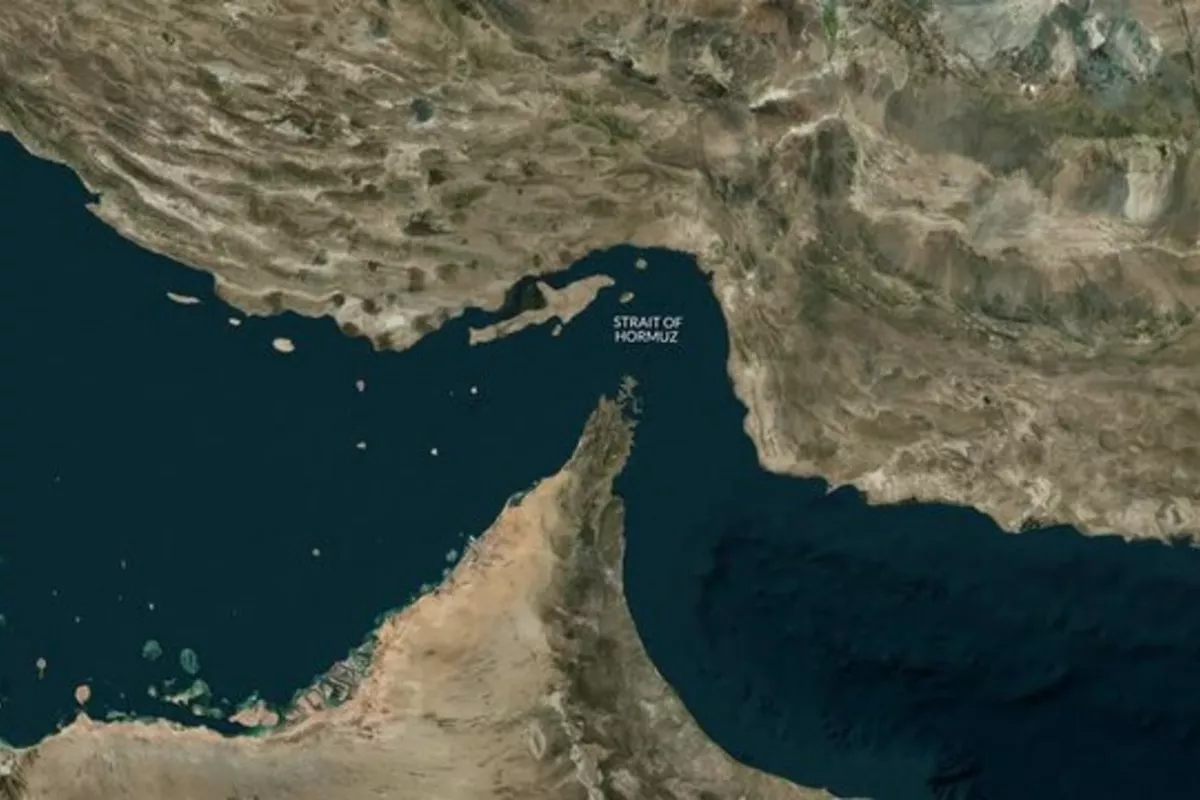
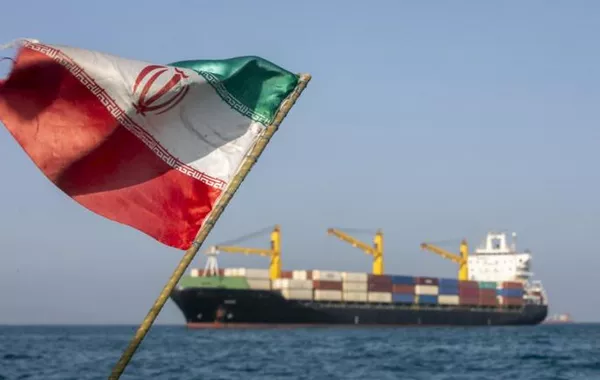
If you think about it, the world’s not that wide. It only feels that way on maps. It gets pretty narrow at key pressure points like the thin ribbon of water called the Strait of Hormuz. The global economy likes to think it “breathes” through this over-tight passage. But listen carefully and you can hear it gasp-tankers inching through with creaking trepidation, markets peering at the horizon, traders watching pulsing radar screens like heart monitors.
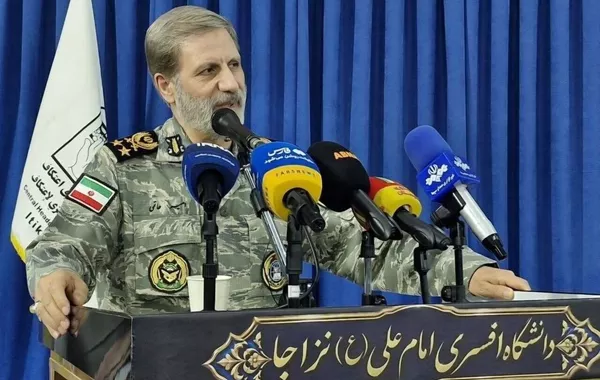
As Washington edges closer to confrontation with Iran, “engagement” no longer feels like the right word. Engagement suggests cooperation. Instead, we have the deep inhalation of carrier groups. Fighting may have kicked off by the time you read this. Even the UK now resists enabling escalation from its RAF bases-a refusal that speaks volumes about open-ended wars and contributions later devalued, even mocked, by the present US administration.
Talks continue in Geneva-diplomats sitting by long lines of bottled water, debating enrichment levels and inspection regimes. Beneath the talk lies a simpler truth: neither side trusts the other enough to step back. It won’t just be about centrifuges. It will be about dominating, deterring, and who writes the rules of a region.
In the 1950s, US Secretary of State John Foster Dulles famously coined “brinkmanship”-the art of approaching catastrophe without falling in. But nuclear brinkmanship is no art. It’s too close to extinction. “Above all,” warned John F. Kennedy in 1963, nuclear powers must avoid forcing an adversary into a choice between humiliation and nuclear war.
Today’s US military dancework is clear-carrier strike groups, advanced fighters, long-range bombers. Heavy metal not for poetry but for leverage. The shadow of the Cuban Missile Crisis looms-Kennedy called it the Cold War’s most dangerous moment. That required imagination-the ability to picture the abyss and recoil. Do today’s leaders possess such imagination? Have Iranians and Americans looked recently at The Great Day of His Wrath by painter John Martin lately?
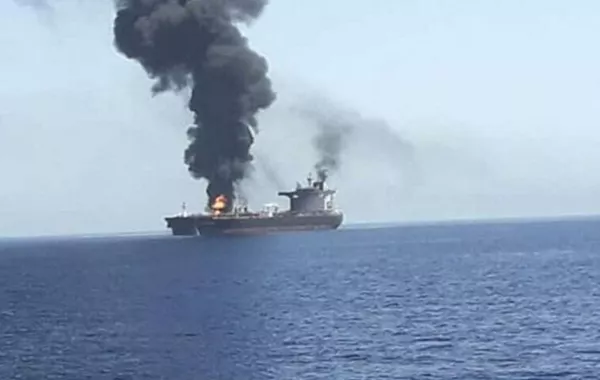
Hormuz is leverage made liquid. A significant share of the world’s oil passes through it. If it closes, even briefly, prices spike, inflation follows, political anger spreads beyond the Gulf. Geography becomes power again. Sanctions always squeeze civilians more than elites. (“Sanctions” is an odd word anyway, meaning both permission and denial.) Washington insists it doesn’t want war-even as it prepares for one. Iran seeks regime survival and deterrence. Between these objectives lies a real danger of miscalculation-a misread radar, a downed drone, a collision at sea. Drowning not waving.
Two states circle above a channel that energises the world-around 20% of its crude oil and 25% of liquefied natural gas. Escalation is easy. Russia and China are hardly absentees. De-escalation is costly too. Peace needs a leader willing to absorb backlash at home. Without such courage, brinkmanship becomes flotsam and jetsam-E. E. Cummings’ “gentleman poeds.” In a nuclear age, that’s toxic.
Restraint is not surrender. A state defending itself against invasion is not engaging in brinkmanship by surviving. There is a moral difference between initiating force and resisting it. If that distinction collapses, so does international law.
The world is narrow. The margin for error narrower still.
Europe’s dilemma is different. It is not about striking first, but whether to sustain a country already under attack. Yes, there is escalation in sending weapons. There is also escalation in abandoning a neighbour to defeat. The question is what Europe believes self-defence means.
Meanwhile, Viktor Orbán-ally of Donald Trump and indulger of Vladimir Putin-threatens to sabotage the EU’s €90 billion loan to Ukraine unless Russian oil resumes through the battered Druzhba pipeline. The funding is for defence and survival. Orbán frames obstruction as sovereignty. “The best lack all conviction, while the worst / Are full of passionate intensity,” wrote W.B. Yeats in 1919.
But where is Orbán’s fury even for the women in the conflict?
Since Russia’s full-scale invasion in February 2022, some 5,000 women and girls have been killed and 14,000 injured, according to UN Women’s Geneva chief, Sofia Calltorp. The figures expose a quieter carnage-shattered blocks, darkened maternity wards, buried daughters. Women form the majority of refugees, shoulder families through blackout and bombardment, serve as soldiers, medics, volunteers.
They face sexual violence, trafficking, shattered healthcare. And still they lead. Any debate over oil and vetoes that ignores their suffering is moral evasion.
Back to Starmer and RAF bases as the US breathes down Iran’s neck. It is quite something that the UK government is no longer granting permission to use bases such as RAF Fairford without explicit consent. The distinction matters. Refusing to facilitate a pre-emptive strike is not the same as refusing to aid a country resisting invasion. One concerns initiating force, the other its repulsion.
Starmer appears cautious about entangling the UK, especially if strikes lack clear legal justification. International law scarcely distinguishes between attacker and facilitator. The government says it prioritises diplomacy and de-escalation with Iran.
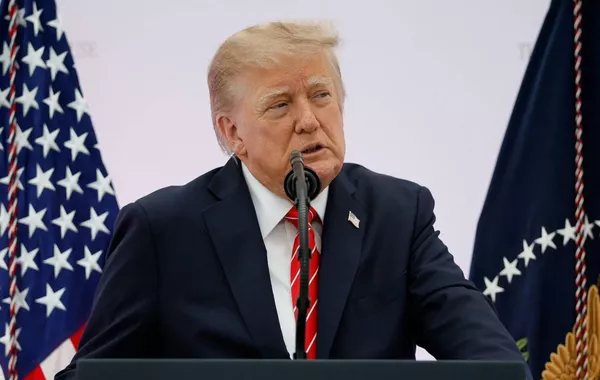
Trump has already reacted angrily, criticising the UK plan to transfer sovereignty over the Chagos Islands, including Diego Garcia, back to Mauritius-seeing the base as crucial for US operations.
Some Brits are impressed with Starmer on this one. With so much blood still on everyone’s hands, perhaps it should come as no surprise.
Find the original article here