Getty images
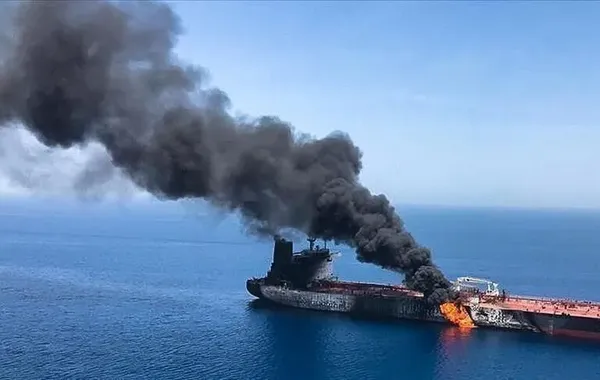
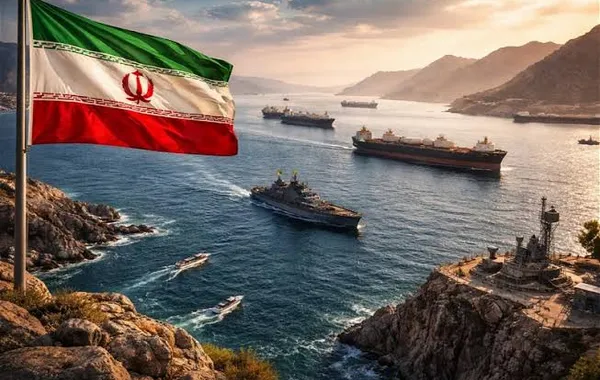
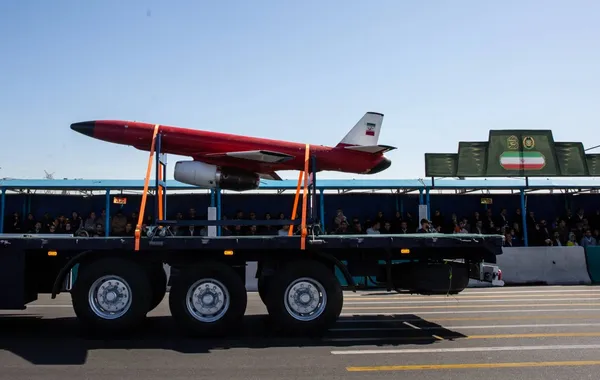
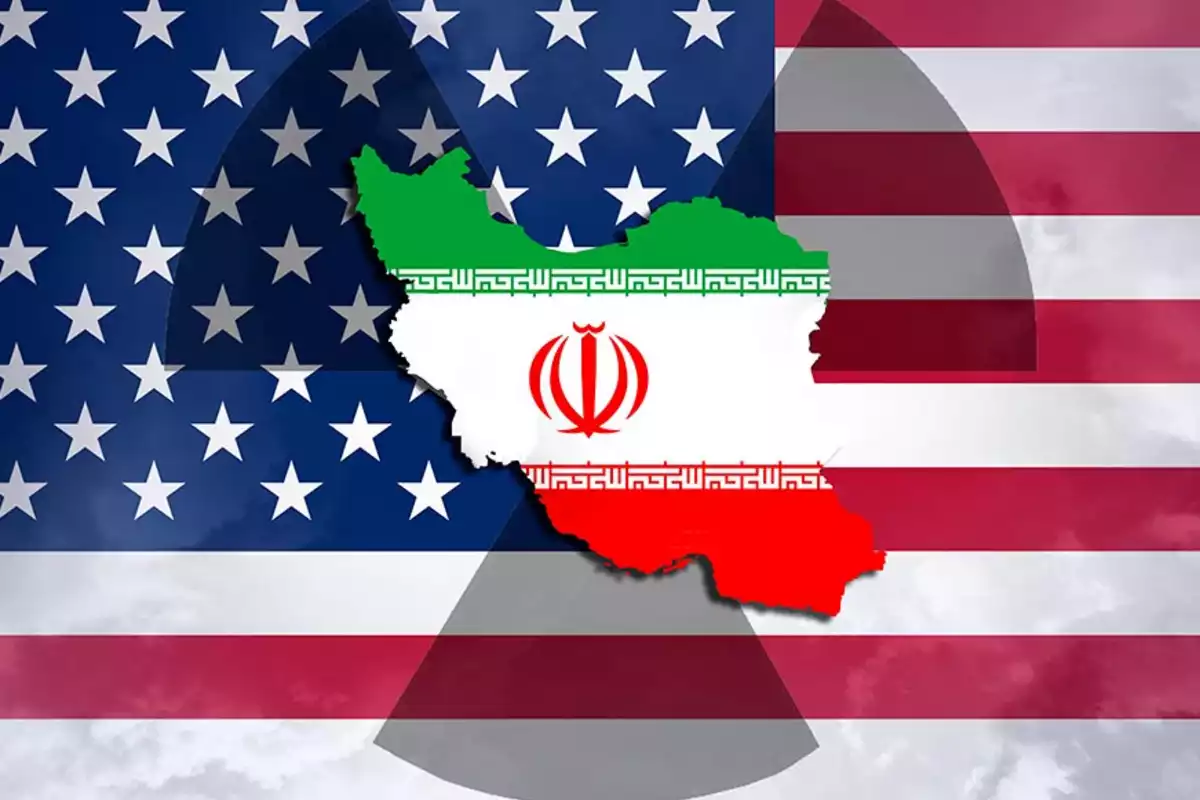
The fragile 60-day ceasefire, which effectively lasted little more than a week after being signed on June 17, 2026, has officially expired, although fighting between the United States and Iran had already resumed.
A senior White House official said that current U.S. talks with Iran are ‘static’ while Iran on its part said it has “not made a decision to restart negotiations with the United States,” according to Iran’s foreign minister Abbas Araghchi in a Telegram post, Albawaba news reported.
The war has brought severe economic strain and pressure on both countries, and indeed countries in the region and across the world with nothing to show for it.
U.S. experts are warning that the depletion of oil reserves could damage the caverns that store oil, adding that the reserve fell below 300 million barrels for the first time since it was filled in the early 1980s.
Alongside oil reserves, the U.S. is facing the depletion of its missile stockpiles, having used virtually all long-range precision missiles, specifically Army Tactical Missile Systems (ATACMS) and Precision Strike Missiles (PrSM);
Defensive missile stockpiles have also been hit hard by the war, with the U.S. using up nearly 80 percent of THAAD interceptors and about 65 percent of Patriot missile interceptors, leading to the U.S. temporarily halting their delivery to Ukraine which heavily relies on them for its own defense.
After all this spending with no result, analysts wonder whether this conflict will effectively end or will it endure as a forever war.
Share on social media