Kazakhstan Plans US-Technology Embryology Lab to Breed High-Performance Cattle
Kazakhstan plans to establish a specialized embryology laboratory using American technologies to improve cattle genetics and boost livestock productivity, opening new opportunities for cooperation with US agribusiness companies.
The initiative was discussed during a working visit to the US by Deputy Minister of Agriculture Amangali Berdalin, according to the Kazakh Agriculture Ministry.
His meetings included representatives of the agricultural departments of Idaho and Montana, as well as US agribusiness companies.
During the discussions, Berdalin highlighted Kazakhstan's significant potential for expanding beef, lamb and dairy production. The country ranks fifth globally in terms of pastureland area, with approximately 180 million hectares.
He also noted that Kazakhstan has launched a Comprehensive Livestock Development Plan for 2026-2030, approved under the instructions of the head of state.
The program focuses on improving livestock genetics, strengthening feed supplies, expanding financing, introducing modern technologies and developing agricultural processing.
A key outcome of the visit was the signing of a memorandum of cooperation between Kazakhstan's Ministry of Agriculture and US-based company Trans Ova Genetics, LC.
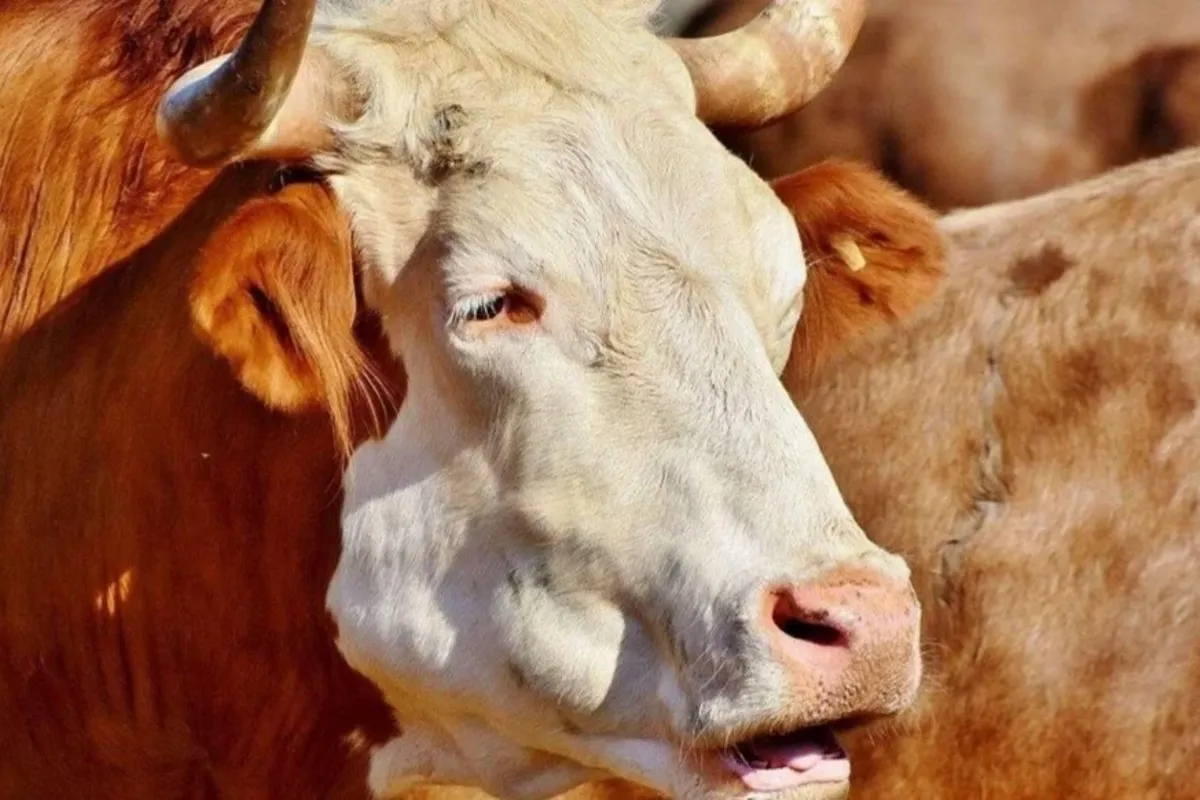
The agreement envisages the establishment of a specialized embryology laboratory in Kazakhstan for the production, evaluation, cryopreservation and transplantation of cattle embryos.
It also provides for training Kazakh specialists with the involvement of international experts.
The initiative is part of broader efforts to introduce advanced reproductive technologies and improve the genetic quality of the country's cattle population.
The two sides also discussed training Kazakh specialists to organize livestock auctions in line with American standards of transparent pricing.
Currently, six full-cycle red meat production projects are being implemented in Kazakhstan, while the country's first specialized livestock exchange is under construction in the south.
Dairy farming was identified as another promising area for bilateral cooperation.
More than 100 modern dairy farms have been built across Kazakhstan in recent years, with the average investment in each project estimated at around $9 million.
The country also plans to offer preferential loans for the construction of another 50 high-efficiency dairy farms equipped with digital technologies.
American companies have been invited to supply equipment for these facilities and explore opportunities to establish local assembly operations in Kazakhstan, potentially serving markets across Central Asia.
Following the meetings, the parties agreed to translate their discussions into concrete investment and trade projects, drawing on Montana's expertise in beef cattle farming and Idaho's experience in industrial dairy production and processing.
To coordinate the initiatives, Kazakhstan's Agriculture Ministry will establish a permanent working platform bringing together government agencies, businesses and research organizations.
"I am confident that combining Kazakhstan's resource potential with the technologies and expertise of our American partners will deliver mutually beneficial results," Berdalin said following the visit.