Egypt Calls for Diplomacy in Nuclear Talks with Iran
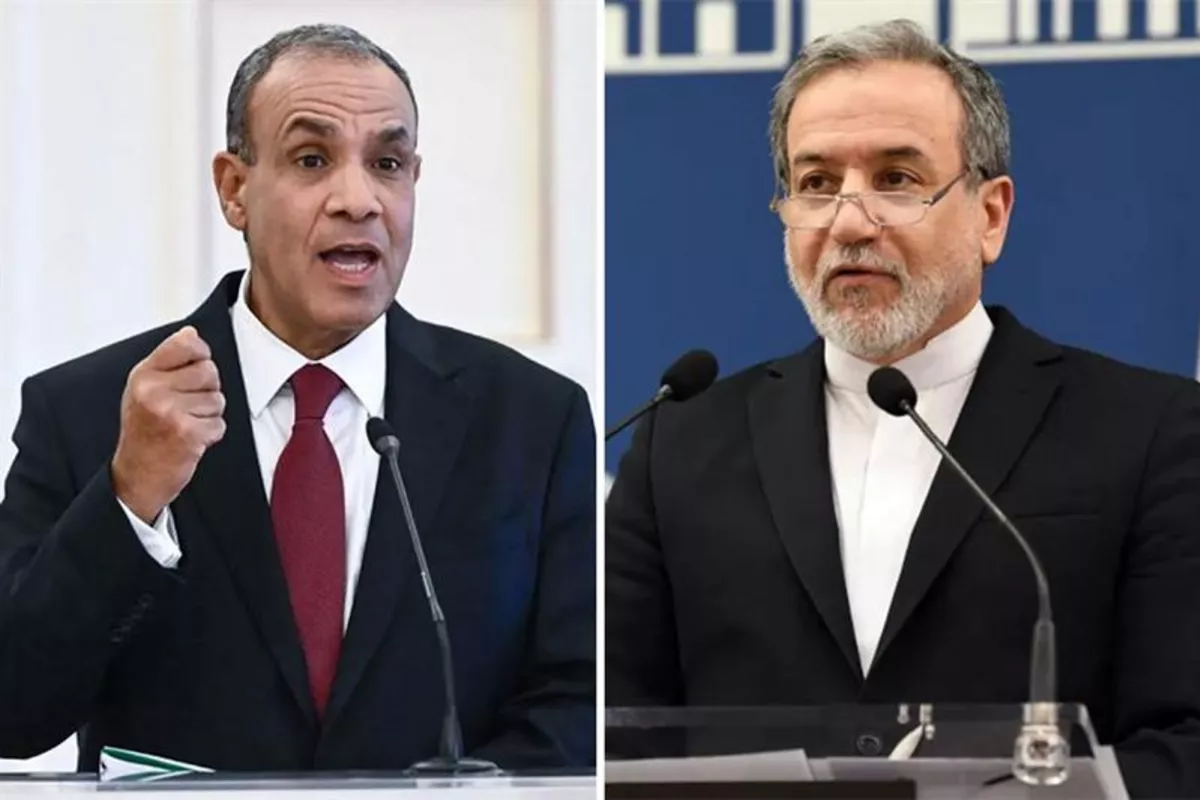
On Tuesday, Egyptian Minister of Foreign Affairs Badr Abdelatty emphasized the need for de-escalation, confidence-building, and creating conditions for renewed diplomacy regarding Iran's nuclear program during a phone call with his Iranian counterpart, Abbas Araghchi.
During the call, FM Abdelatty highlighted the importance of continuing efforts to resume dialogue aimed at reaching a comprehensive agreement on Iran’s nuclear programme that considers the interests of all sides and supports regional security and stability, according to a statement by the Egyptian Ministry of Foreign Affairs, The Caspian Post reports, citing foreign media.
The call also addressed ways to strengthen relations between Egypt and Iran, with both ministers welcoming the recent increase in meetings and contacts.
They expressed a shared interest in continuing consultation and coordination on issues of mutual concern in a way that serves the interests of both countries.
The discussion also included an exchange of views on key regional developments, according to the statement.
Contacts between Cairo and Tehran have intensified in recent months as part of a cautious diplomatic effort to limit regional escalation and reopen channels of dialogue after years of limited engagement.
These contacts have included repeated ministerial meetings and phone calls focusing on Iran’s nuclear programme, the war in Gaza, Red Sea security, freedom of navigation, and broader regional stability.
At the same time, Egypt has increased its coordination with the International Atomic Energy Agency (IAEA).
Abdelatty has held talks with IAEA Director General Rafael Grossi, during which Cairo stressed the agency’s role in verification and monitoring as well as the need to keep technical cooperation separate from political tensions.
Egypt has consistently argued that continued engagement with the IAEA is essential to preventing further deterioration and preserving space for diplomacy.
Against this background, Cairo brokered understandings in September with Iran and international parties to stabilize the situation rather than a full revival of the 2015 nuclear deal.
The Cairo agreement focused on de-escalation, restoring a minimum level of cooperation with the IAEA, and preventing further loss of transparency.
In November, Araghchi accused the United States, Britain, France, and Germany of pursuing an escalatory approach after the IAEA adopted a new resolution.
The resolution, passed by the IAEA Board of Governors, called on Tehran to provide “full and prompt” cooperation with the agency, including granting access to sensitive nuclear sites.
Araghchi said the move reflected a deliberate escalation by the US and the three European powers, known as the E3, warning that such steps had direct political consequences.
He added that the resolution's passage led to the effective termination of the Cairo agreement.
Tehran had previously signalled that the arrangement could not be sustained after the E3 moved to trigger the reimposition of UN sanctions that had been lifted under the 2015 nuclear deal.
After the resolution was adopted, Iran formally informed the IAEA that it considered the Cairo Agreement null and void, highlighting the widening diplomatic rift over the nuclear programme and the growing challenges facing efforts to revive negotiations.