US Senate Passes Sanctions Bill Targeting Russia, Iran
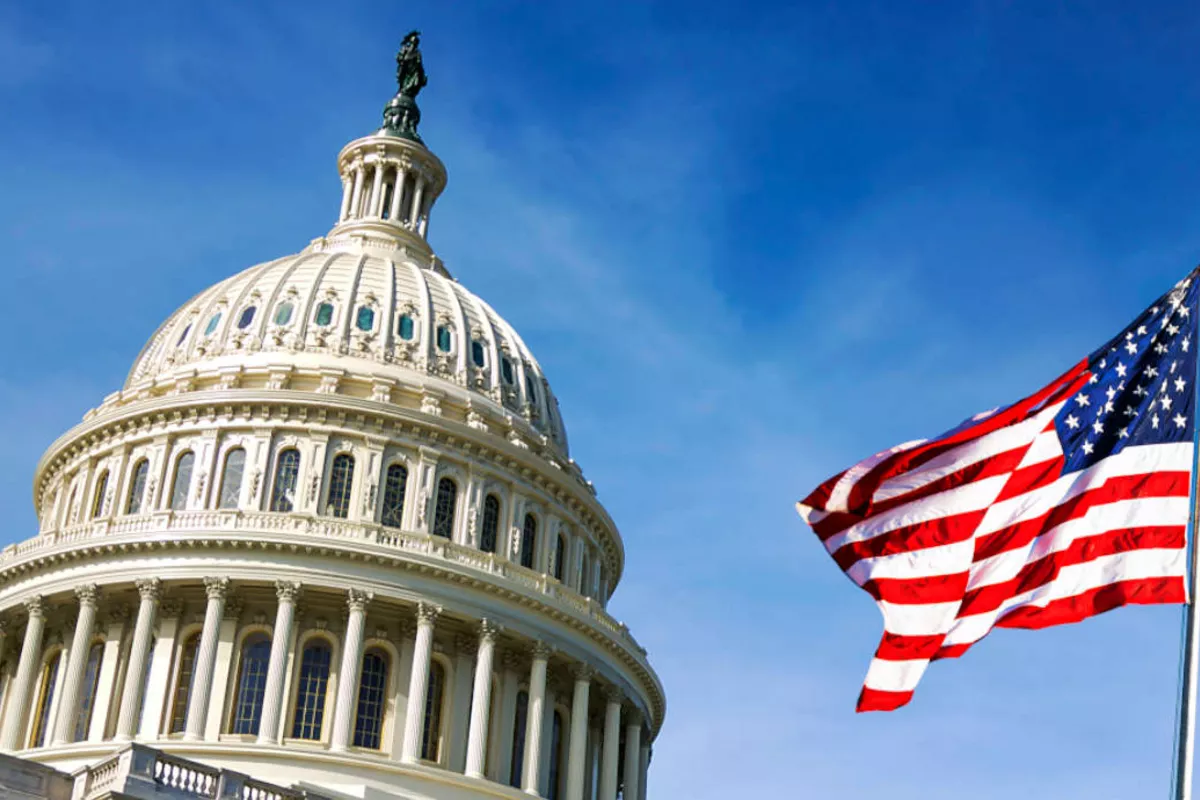
The US Senate on Friday approved a broad new package of sanctions targeting Russia and Iran, advancing a measure designed to support Ukraine in its ongoing war against President Vladimir Putin’s military campaign.
The bill passed by an 86-11 vote, marking a rare bipartisan agreement in a chamber that has remained deeply divided over major legislation supporting Ukraine since President Donald Trump returned to office last year following a campaign that criticized foreign and military assistance, The Caspian Post reports, citing The New York Times.
The passage of the legislation came only weeks after the unexpected death of Senator Lindsey Graham, its leading advocate.
The bill, which would also extend sanctions against Iran for five years, must still be approved by the House of Representatives and signed by President Trump, who has recently indicated that he supports the measure.
For more than 18 months, senators have largely agreed on the need to impose additional penalties on Putin and his allies. The legislation was introduced by Graham, a South Carolina Republican, together with Senator Richard Blumenthal, a Connecticut Democrat.
The Senate vote came as the Kremlin launched its most intense airstrike campaign since the beginning of the war, while Ukraine’s air defense capabilities have been weakened. Two days before the vote, at least 17 people were reported killed in Kyiv during an attack involving 24 ballistic missiles and four hypersonic missiles.
At the same time, Ukrainian forces have continued conducting their own strikes. On Thursday, Zelensky said Ukrainian forces had targeted two oil refineries located hundreds of miles inside Russian territory.
The legislation seeks to weaken Russia’s economy by targeting the energy sector, which remains a major source of revenue for the Kremlin. It would also introduce severe sanctions against Putin and senior Russian government officials.
A central element of the bill focuses on countries that continue purchasing large volumes of Russian oil and gas. The measure would authorize the president to impose 100 percent tariffs on the five largest importers of Russian energy.
The legislation includes broad exemptions that would allow the president to waive sanctions on countries, officials, and businesses if such action is considered to be “in the national interest of the United States.”
The bill would also target Russia’s so-called shadow fleet - a network of oil tankers operating under unclear ownership structures and without insurance coverage - by penalizing countries, companies, or individuals that assist the covert shipping system.
However, 10 Democrats voted against the bill, along with Paul, who was the only Republican senator to oppose it.
The implementation of the new sanctions is still expected to take time, as the House of Representatives is not scheduled to return from its summer recess immediately.