How Floods in Russia's Dagestan Highlight Disaster Management Needs
In early 2026, the Russian republic of Dagestan faced some of its most severe flooding in over a century after record‑breaking rainfall triggered flash floods and landslides across the region. Torrential rains beginning in late March overwhelmed rivers and drainage systems, leading to widespread inundation in cities and rural areas alike.
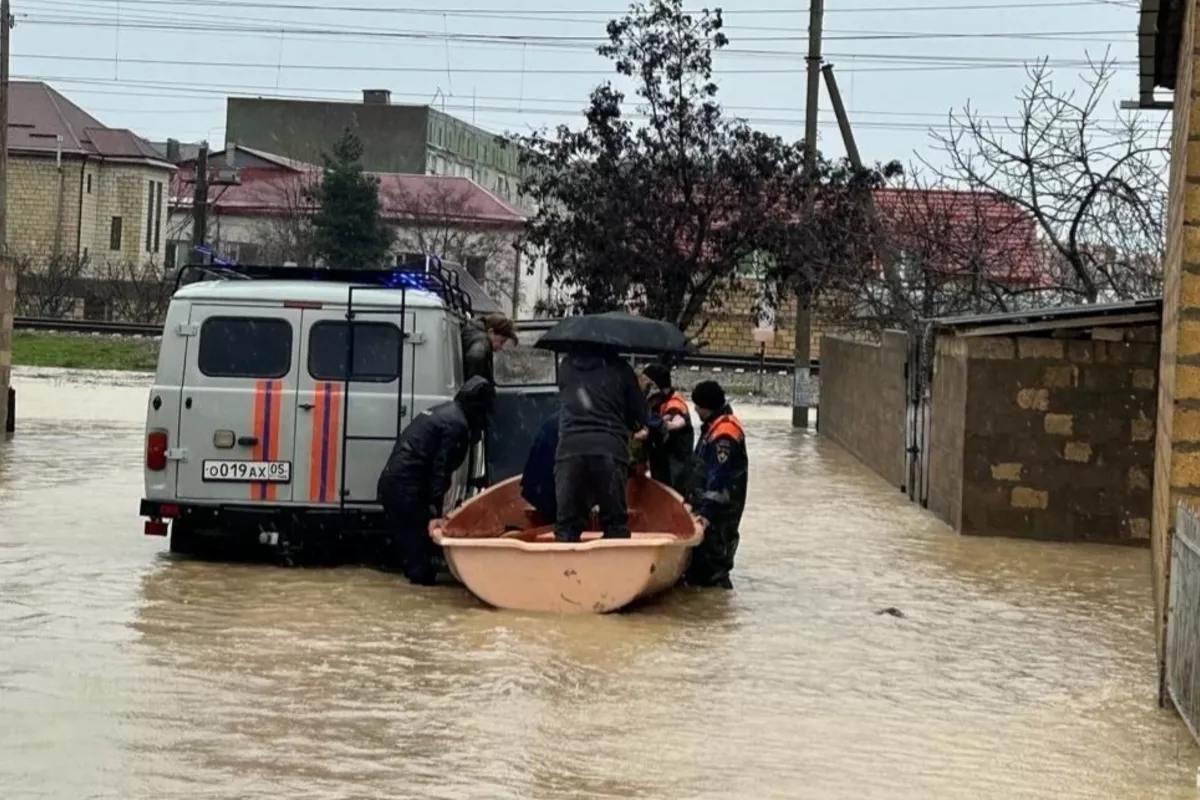
Officials declared a state of emergency in multiple cities including Makhachkala - the regional capital - as entire neighbourhoods were submerged, infrastructure was hit hard, and power lines were downed.
Human and Infrastructure Impact
The scale of destruction in Dagestan is significant: thousands of homes were flooded, entire power grids were disrupted, and major transport links were damaged or severed by floodwaters and landslides.
Official reports and rescue agencies say that millions of residents are directly or indirectly affected - with hundreds of thousands of people losing electricity and thousands evacuated to safer locations.
At least six people have died and emergency services continue rescue and relief operations amid ongoing hazardous conditions.
Why Emergency Preparedness Matters
Floods this extensive underline the critical importance of robust emergency preparedness systems. Preparedness isn’t only about having rescue teams on standby - it also means investing in resilient infrastructure, early‑warning systems, evacuation planning, and public awareness campaigns well before disaster strikes.
Early Alerts and Evacuation
One of the key lessons from Dagestan’s crisis is the value of early alerts and coordinated evacuation efforts. Thousands of residents had to be moved quickly from high‑risk zones as water levels rose, and the work of emergency services likely saved many lives.
Effective evacuation depends on real‑time weather monitoring, rapid communication to communities, and pre‑planned shelters - all of which require investment and continuous training of local personnel.
Infrastructure Vulnerabilities Exposed
The floods exposed weaknesses in both urban and rural infrastructure. Roads, bridges, and utility networks were overwhelmed, hindering both daily life and emergency response. In some districts, significant structural damage forced the closure of major transport routes and interrupted essential services like power and water.
These issues highlight the importance of building climate‑resilient infrastructure - systems designed to withstand extreme weather events that are becoming more frequent due to changing climate patterns.
Health and Safety Challenges
Beyond immediate physical damage, flooding also stresses public health systems. Contaminated water supplies, disrupted medical services, and the risk of waterborne diseases are common in flooded regions. In Dagestan, authorities warned residents about drinking contaminated water and worked to ensure basic hygiene and medical support for affected populations.
Emergency medicine teams and local authorities play a crucial role here, and preparedness includes stockpiling medical supplies and having rapid response health units ready to deploy.
The Role of Community and Support Networks
The crisis also underscored the need for strong community support and cooperation. In the wake of the floods, humanitarian efforts and grassroots support networks helped fill gaps in relief - from providing food and clean water to helping with evacuations and temporary housing.
These community channels often become lifelines when formal systems are overwhelmed or slow to respond. Integrating local volunteers and organizations into official disaster planning can significantly improve outcomes.
Looking Ahead: Building Resilience
As the world faces more frequent extreme weather, regions like Dagestan illustrate the urgency of bolstering preparedness at every level. Effective disaster management combines solid infrastructure, rapid response capability, community involvement, and adaptive planning strategies.
For Dagestan, the experience of 2026 serves as a potent reminder that proactive planning can mean the difference between life and loss - and that every region, regardless of its climate or geography, benefits from investing in resilience before disaster strikes.