Malaysia Turns to Türkiye for ATMACA Missiles After Norway Blocks NSM Deal
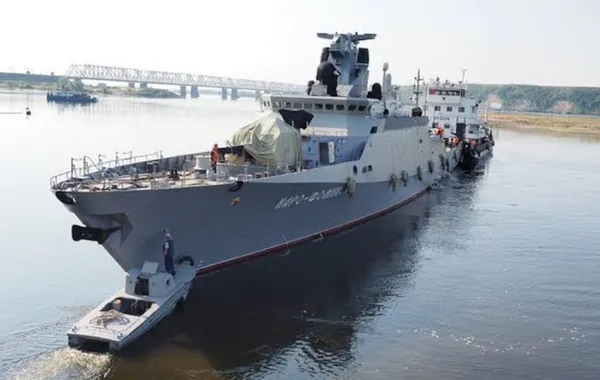
Malaysia has selected Türkiye's ATMACA anti-ship missiles, manufactured by defence company ROKETSAN, as an alternative to Norwegian NSM systems previously planned for its Maharaja Lela-class littoral combat ships.
Malaysian Defence Minister Mohamed Khaled Nordin announced that intergovernmental negotiations with Türkiye are set to begin over the potential purchase of ATMACA missiles, SavunmaSanayiST.com reports.
Nordin said that Türkiye was selected after Malaysia assessed proposals from several countries, including France and Italy. The evaluation took into account pricing, delivery schedules and initial procurement costs. The final terms of the deal will be determined during negotiations.
The minister said Malaysia had received assurances that ATMACA missiles would be compatible with the ships' existing systems and could be integrated into their combat platforms. These technical details will be examined further during discussions with the Turkish side.
Nordin also noted that ATMACA belongs to the same category of missile systems already ordered for the Malaysian Navy. This could help speed up procurement. He described the Turkish system as offering better performance than competing alternatives.
Another consideration is cost. Malaysia will not need to introduce an entirely new missile system, as similar missiles have already been ordered for its LMS Batch 2 vessels. Consequently, equipping the Maharaja Lela-class ships is expected to require additional funding mainly for launchers and system integration.
The exact number of missiles and the final value of the potential purchase have not yet been disclosed.
Malaysia had initially planned to purchase Norwegian NSM anti-ship missiles, developed by Kongsberg Defence & Aerospace, for six Maharaja Lela-class vessels.
Under a contract worth approximately $145 million, signed in 2018, Malaysia had already paid 95% of the agreed amount.
However, in May 2026, the Norwegian government refused to issue the export licence required to supply NSM missiles and launchers to Malaysia. The decision was part of Norway's revised arms export policy, under which sensitive defence technologies would be supplied only to NATO members and close partners.
Following the decision, Malaysia sought approximately $257 million in compensation from Kongsberg Defence & Aerospace.
Nordin said Kuala Lumpur would use the dispute resolution mechanisms envisaged in the contract. If negotiations fail to produce an agreement, the dispute could be referred to arbitration.
The defence minister stressed that Malaysia had decided to look for an alternative missile supplier without waiting for the legal dispute with Norway to be resolved. The move is intended to prevent further delays in meeting the country's naval defence requirements.
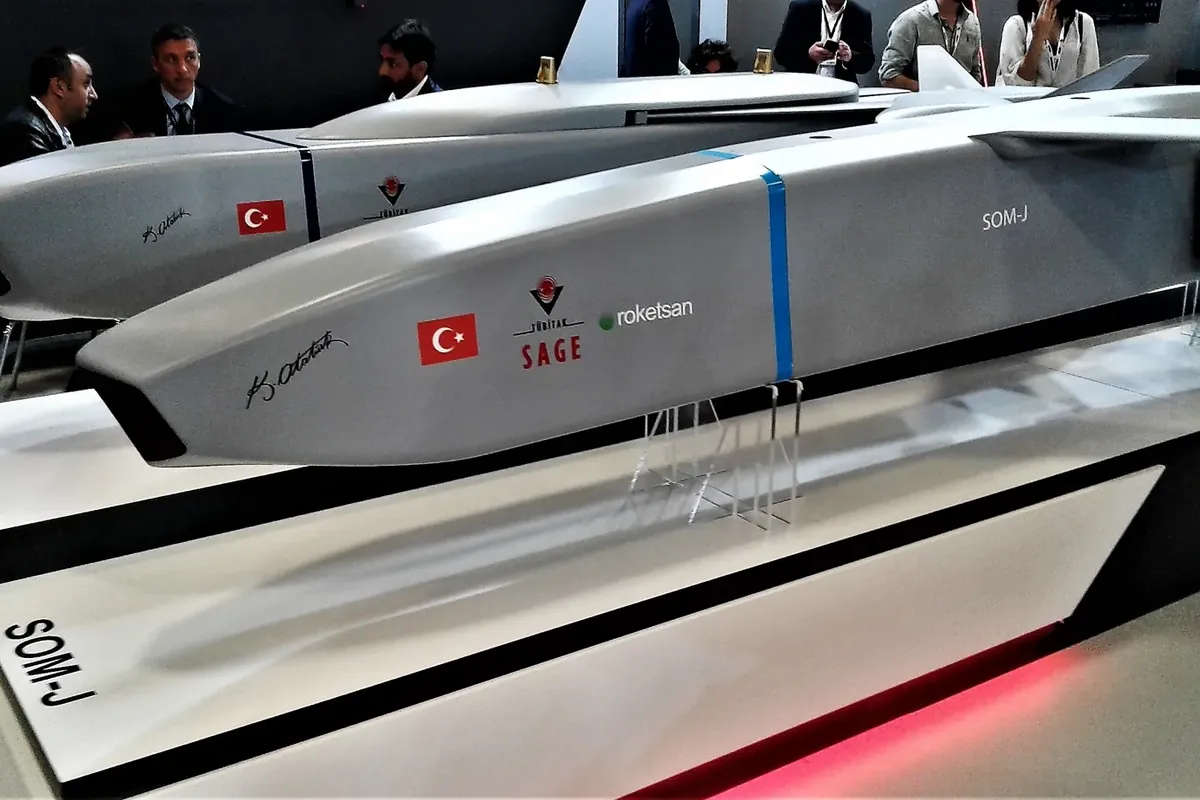
Developed by Turkish defence manufacturer ROKETSAN, ATMACA is a precision-guided anti-ship missile designed for naval warfare.
The system has a range of more than 250 kilometres and can operate autonomously. It is designed for deployment from land-based launchers and integration onto missile boats, frigates and corvettes.
Its capabilities include low radar visibility, high-precision targeting and operation in various weather conditions.
ATMACA features advanced three-dimensional mission-planning capabilities, allowing it to approach targets along different routes. Target information can also be updated during flight through a data link. The missile can be redirected, assigned a new target or instructed to abort its mission when required.
The missile is powered by the KTJ-3200 turbojet engine, developed using indigenous technologies by Turkish company Kale Jet Motorları.
ATMACA is approximately five metres long and weighs less than 750 kilograms. It is equipped with an active radar seeker and carries a 220-kilogram warhead.