photo: getty images
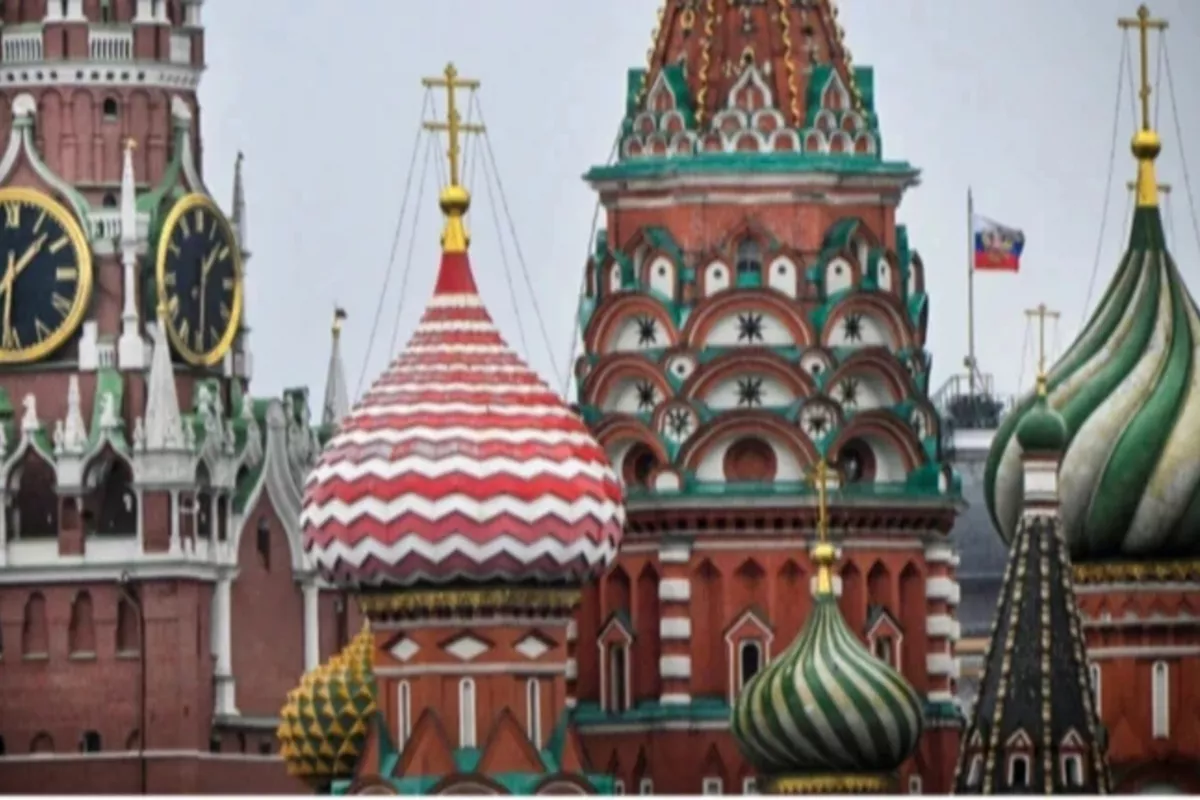
Russia’s wealthiest individuals have contributed 471 billion rubles, or more than $5.6 billion, to the country’s state budget in 2026 through payments recorded as “voluntary receipts”.
The amount represents more than 1% of planned government spending this year.
The payments followed a closed-door meeting between Russian President Vladimir Putin and major business figures in March. Putin said in September that “hundreds of billions” of rubles had entered the budget after the meeting.
Russia’s 2026 budget deficit is now projected at 3.2% of GDP, or 7.3 trillion rubles ($87 billion), compared with the initial target of 1.6% of GDP. Without 471 billion rubles in “voluntary” contributions, the deficit could have reached 3.4% of GDP.
The Kremlin has said the initiative for the payments came from an unnamed businessman who argued that wealthy Russians who accumulated fortunes in the 1990s through connections with the state should contribute to the budget. Putin welcomed the proposal.
The payments recorded as voluntary receipts have already exceeded revenue from Russia’s corporate windfall tax, which is paid mainly by metals and fertilizer companies.
The government also increased taxes and borrowing in 2025 to finance the budget deficit and maintain spending on the military and security sectors. Such spending is planned to account for 38% of total Russian budget expenditure in 2026.
Russia is also planning to raise 385 billion rubles in 2026 from the sale of assets seized from private businesses in recent years. In addition, the government is preparing further tax measures for 2027, including a measure on income from bank deposits that is expected to generate about 1 trillion rubles in additional revenue.
The latest contributions come as Russia faces increasing fiscal pressure linked to high government spending. Moscow has raised its planned 2027 defense spending to 17.1 trillion rubles, while the 2026 budget deficit estimate has been revised upward.
Share on social media