Can Iran Withstand Domestic Crisis and External Pressure?
Anadolu Agency has published an opinion piece examining Iran’s deepening internal crisis amid escalating tensions between Tehran and Washington.
The Caspian Post republishes the article.
The Islamic Republic of Iran has entered a decisive turning point in which internal collapse and external escalation reinforce, rather than offset, one another. The current wave of protests unfolds as the regime faces simultaneous breakdowns in economic management, environmental governance, and political legitimacy. At the same time, Tehran is actively testing the credibility of the deterrence reestablished after direct US enforcement against its nuclear program. This convergence narrows the regime’s options and reshapes the strategic calculus for Washington, Europe, and Israel.
Operation Midnight Hammer
In June 2025, US President Donald Trump ordered strikes on Iranian nuclear facilities during Operation Midnight Hammer. The purpose was unambiguous: nuclear advancement would no longer be managed through diplomatic delay but would be constrained through direct enforcement. That operation restored deterrence by demonstrating that escalation carried immediate and severe costs.
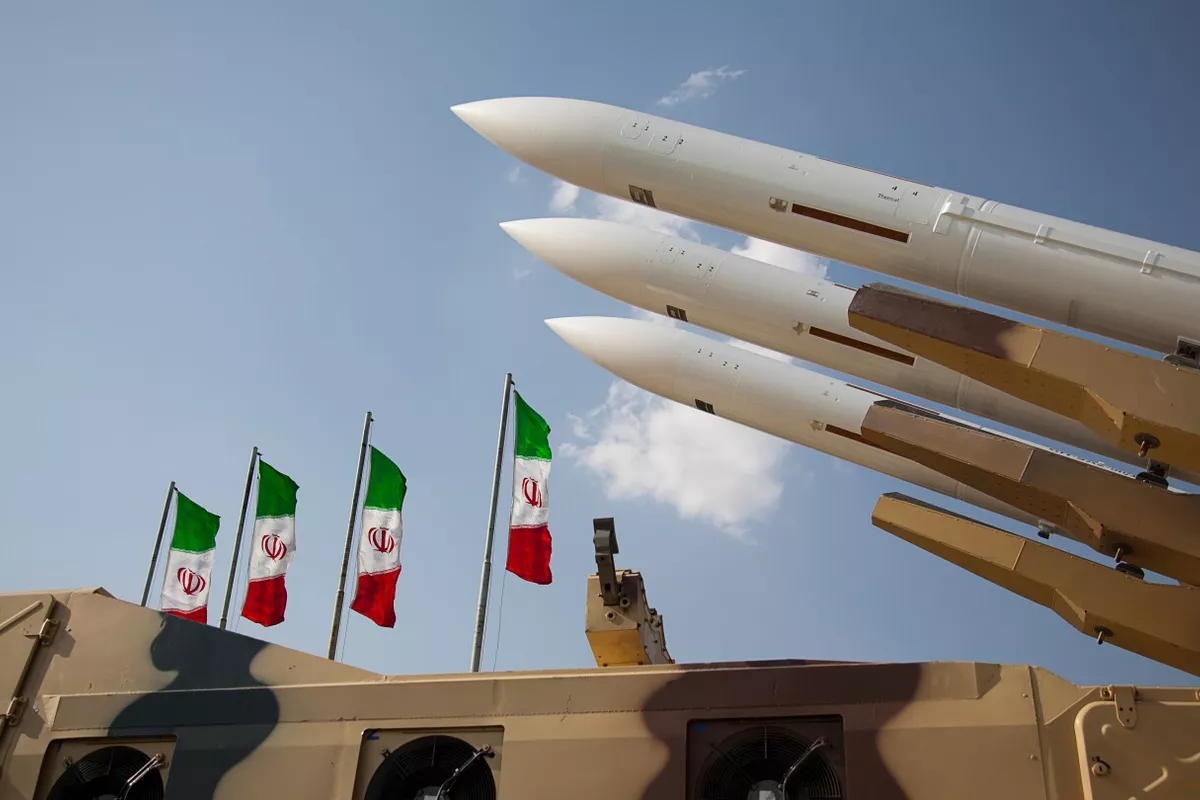
Iran’s response since then has been characterized by defiance rather than adjustment. Following the 12-day war, Tehran accelerated ballistic missile development, drawing on Chinese technology and components to rebuild and improve systems that had been degraded during Israeli strikes.
However, the Islamic Republic remains weaker than it has been at any point since 1979, and this weakness is structural rather than circumstantial. Economic collapse, environmental catastrophe, generational alienation, and the erosion of ideological legitimacy have hollowed out the regime's capacity to govern. More than 40% of Iran's population is under 25, yet youth unemployment exceeds 20% nationally and approaches 35% for women. The rial has collapsed toward 1.45 million to the dollar, inflation has hit 60% , and food prices have risen more than 70% year on year.
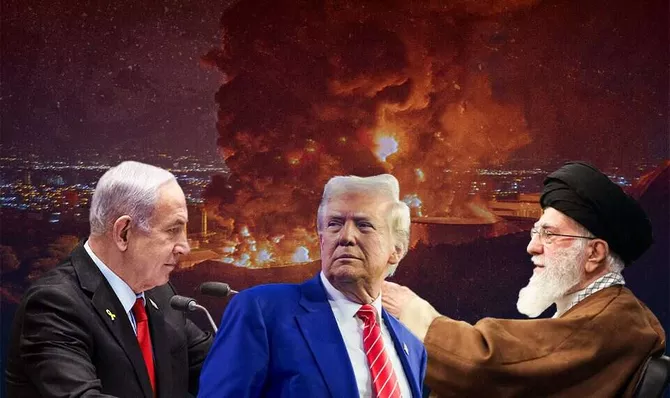
Photo: Israel Hayom
Resource Depletion and the Crisis of Governance
Sanctions enforcement has severed Iran from global finance, while military spending has expanded by roughly 200% amid fiscal strain. Consequently, loyalty within the security forces has become transactional rather than ideological. Environmental failure compounds these pressures; as Iran loses an estimated 5 billion cubic meters of groundwater annually, Tehran's reservoirs have fallen to roughly 13% capacity. This crisis is already driving internal displacement out of the provinces and into an increasingly overburdened capital, leaving the state struggling to secure water and electricity for its own population.
The regional picture offers no reprieve. Iran's proxy network no longer provides escalation dominance now that Hezbollah has suffered losses estimated in the thousands and supply routes have deteriorated following the collapse of Assad's position in Syria. Iranian retaliation during recent exchanges produced limited effects because most missile launches were intercepted, meaning escalation now exposes Tehran to retaliation it cannot absorb. Regional war remains unlikely if a military intervention against Iran's supreme leader Ayatollah Ali Khamenei takes place, precisely because escalation currently favors Iran's adversaries.
Furthermore, Tehran's supposed great power partnerships have proven hollow when they mattered most. During the 12-day war, as Israeli aircraft struck over 100 targets and American missiles hit nuclear facilities, neither Russia nor China intervened. Moscow, despite receiving Iranian drones for its war in Ukraine, offered no military assistance. Russia lacks escalation dominance in the Middle East and values Iran only for its drones - a relationship that has recast Tehran as a co-belligerent in European eyes and erased the divide between Middle Eastern instability and European security.
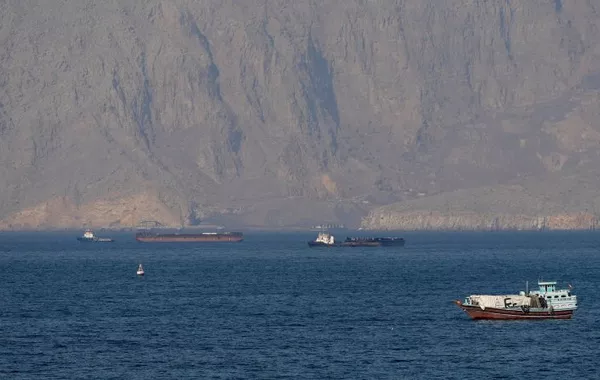
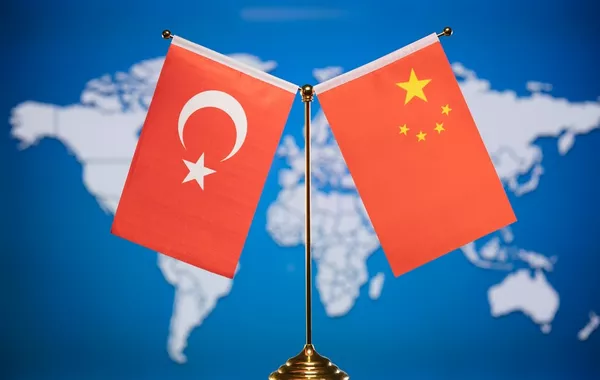
China's absence during the war was even more revealing. Beijing watched as its primary Middle Eastern energy supplier absorbed devastating strikes and did nothing. Yet China continues to benefit enormously from Iran's isolation. Nearly 90% of Iranian oil exports now flow to Chinese buyers, averaging between 1.5 and 1.8 million barrels per day in 2025. These are sold at steep discounts through barter arrangements, delayed settlement, and opaque intermediaries that shift all risk onto Tehran. Lacking alternative buyers, Iran has no leverage to negotiate better terms, enabling Beijing to secure discounted energy and strategic chokepoints without assuming any defense or security commitments.
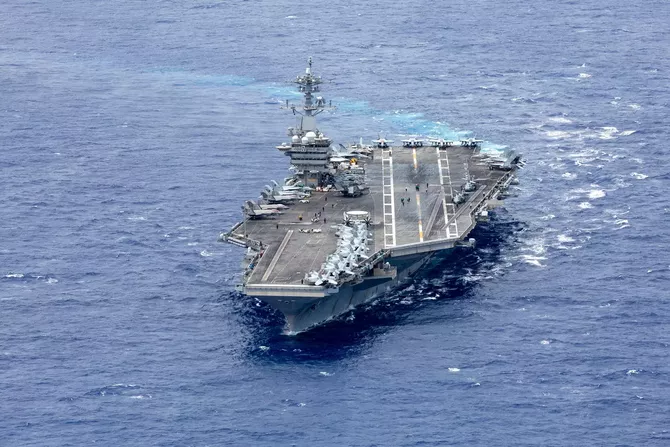
Photo: US Navy
The Failure of Defiance
Crucially, while conventional wisdom holds that foreign pressure consolidates authoritarian regimes, this logic does not apply to Iran in its current condition. The regime lacks the reserves to convert pressure into cohesion; economic collapse produces inward blame rather than patriotic mobilization, and foreign pressure now aligns with protest narratives rather than cutting across them.
The broader pattern of American policy makes the danger to Tehran unmistakable. The Trump administration has demonstrated a willingness to enforce red lines that previous administrations allowed to erode. Venezuelan President Nicolas Maduro learned this when Washington pursued him until he was captured. Defiance will be met with consequences, and regimes that calculate American resolve will fade are severely miscalculating.
Khamenei's provocation suggests Tehran has not absorbed this lesson. Deterrence depends on whether enforcement remains cumulative, and the Islamic Republic's survival rests on the hope that consequences will stop short. That hope is eroding. The next move belongs to Washington.