Iran Reveals Details of January Unrest: Timeline and Aftermath
Iranian authorities said on Thursday that the recent wave of unrest in the country was driven by the economic effects of subsidy reforms, along with what they called coordinated foreign interference that escalated initially peaceful protests into violent clashes.
According to a detailed briefing on the recent unrest at the Iranian embassy here, the situation began in mid-December 2025 after the government launched what it termed an “economic surgery,” abolishing the preferential exchange rate and redirecting subsidies directly to citizens, The Caspian Post reports, citing foreign media.
Officials said the move was intended to improve efficiency and equity but had immediate psychological effects on the market, triggering currency volatility and inflationary pressures. These developments led to lawful protests by shopkeepers, importers, guilds and commercial associations, particularly in Tehran’s Grand Bazaar. The first sector-based protest gatherings were reported on Sunday, December 28, 2025, following a sharp rise in foreign exchange rates. Participants primarily demanded market stability and effective government measures to control volatility. Authorities acknowledged that the initial demonstrations were peaceful, professional and demand-driven, with protesters exercising their right to freedom of expression and assembly as guaranteed under Iran’s constitution and international human rights commitments, including the International Covenant on Civil and Political Rights.
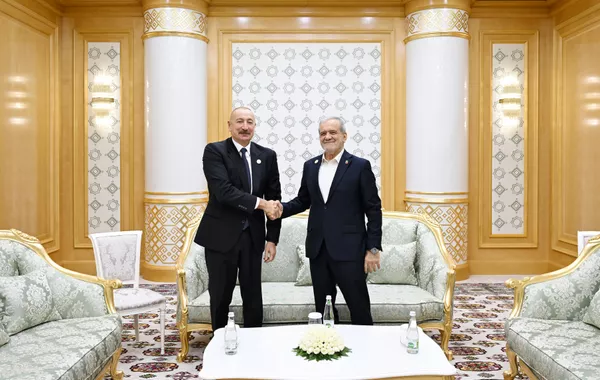
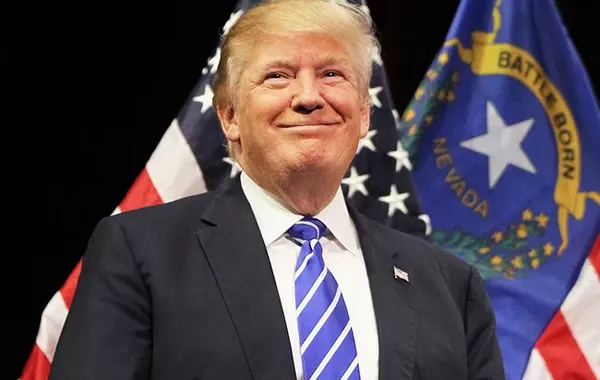
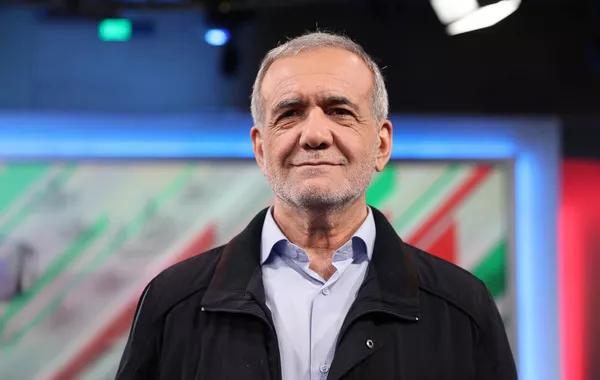
Government officials said President Masoud Pezeshkian moved quickly to engage with representatives of guilds and economic activists on December 30, instructing the ministries of interior, agriculture, industry, mine and trade, as well as provincial governors, to address grievances and stabilize markets. Support packages for vulnerable groups were also announced, alongside consultative meetings with bazaar unions and business communities. However, the briefing claims that the situation escalated sharply following a series of statements by foreign leaders and officials. On January 2, 2026, former US President Donald Trump declared that the United States was “locked and loaded,” a remark Iranian officials described as an interventionist signal that emboldened militant and terrorist groups. Statements by other American figures and the Israeli prime minister were also cited as encouraging unrest. Iranian authorities allege that organized gangs, foreign-backed terrorist groups and trained combatants exploited the protests, turning them into violent riots involving arson, sabotage, vandalism, attacks on police stations and the use of firearms and Molotov cocktails.
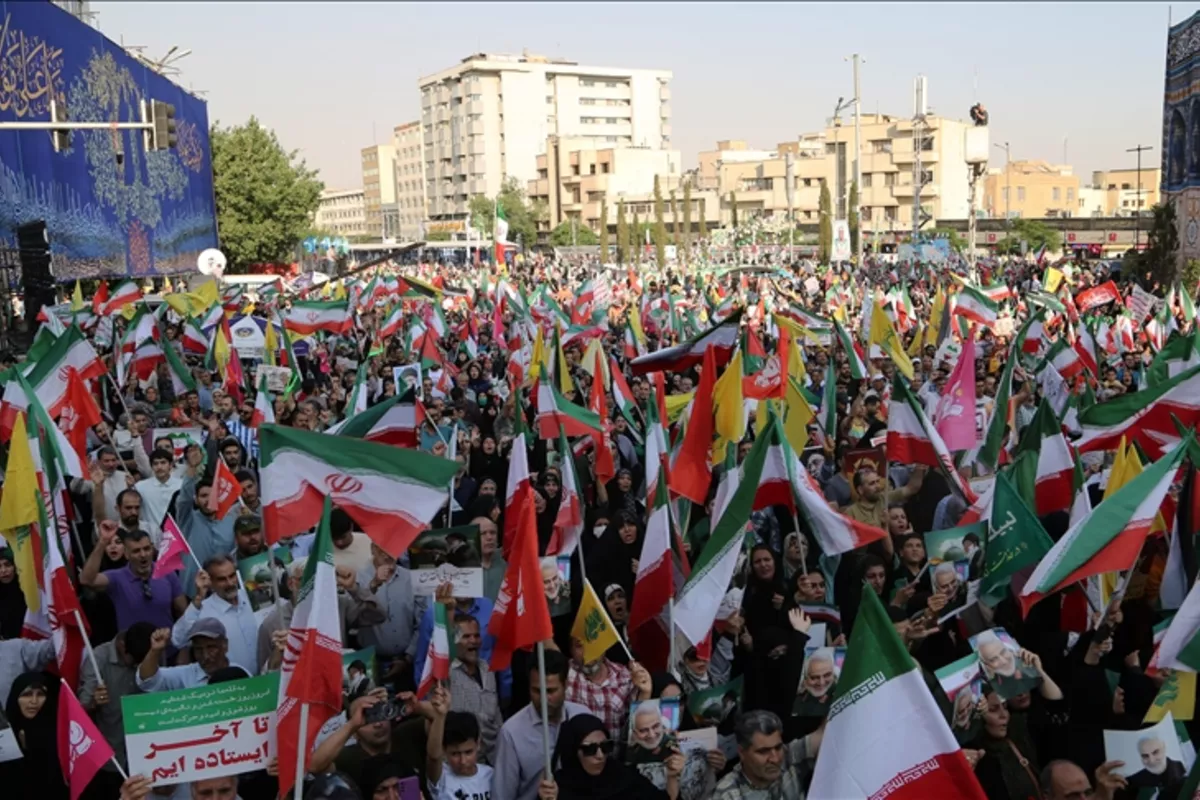
Iran’s Supreme Leader, addressing the nation on January 3, drew a clear distinction between peaceful protesters and those intent on destruction, stating that while protest and dialogue were legitimate, those seeking to create insecurity and disorder must be confronted. Officials said law-enforcement agencies acted with restraint during the disturbances, adhering to principles of necessity and proportionality while working to restore public order. Riots continued intermittently between January 8 and 11, amid what Tehran described as increasing foreign interference. On January 12, large rallies were held by supporters of the Islamic Republic, which authorities said demonstrated that the public was not deceived by external narratives. The following day, further statements by US political figures calling for the takeover of institutions were condemned by Iran as incitement to violence. The unrest resulted in extensive human and material losses, according to official figures. Authorities reported damage to hundreds of government buildings, police stations, schools, mosques, banks, transport facilities and private properties, as well as ambulances, buses and fuel stations. The total death toll was put at 3,117, including civilians, security personnel and what officials described as terrorists involved in violent actions. Iran has reiterated that unilateral coercive measures and sanctions have exacerbated economic pressures on its population, contributing to social strain.
Officials emphasized that while the government remains committed to addressing legitimate economic concerns through reforms and dialogue, it will continue to oppose what it terms foreign interference aimed at undermining national cohesion and security.