Central Asia: Chinese-Led Development Bank Locked in Competition with Western Rival
In the shifting landscape of global finance, a China-led development bank is locked in an intense competition with its Western rivals for influence in Central Asia, reshaping investment priorities across the region. The dynamics and stakes of this battle are explored in a recent Eurasianet article by Carly Brant and Sean Kearin, revealing how Beijing’s financial muscle is challenging traditional Western development models.
G7 powers and China are battling for influence over the development assistance agenda for Central Asia. The rivalry is reflected in the growing attention paid to the region by proxy development institutions, the G7-led Asian Development Bank and the Beijing-dominated Asian Infrastructure Investment Bank, The Caspian Post republishes the article.
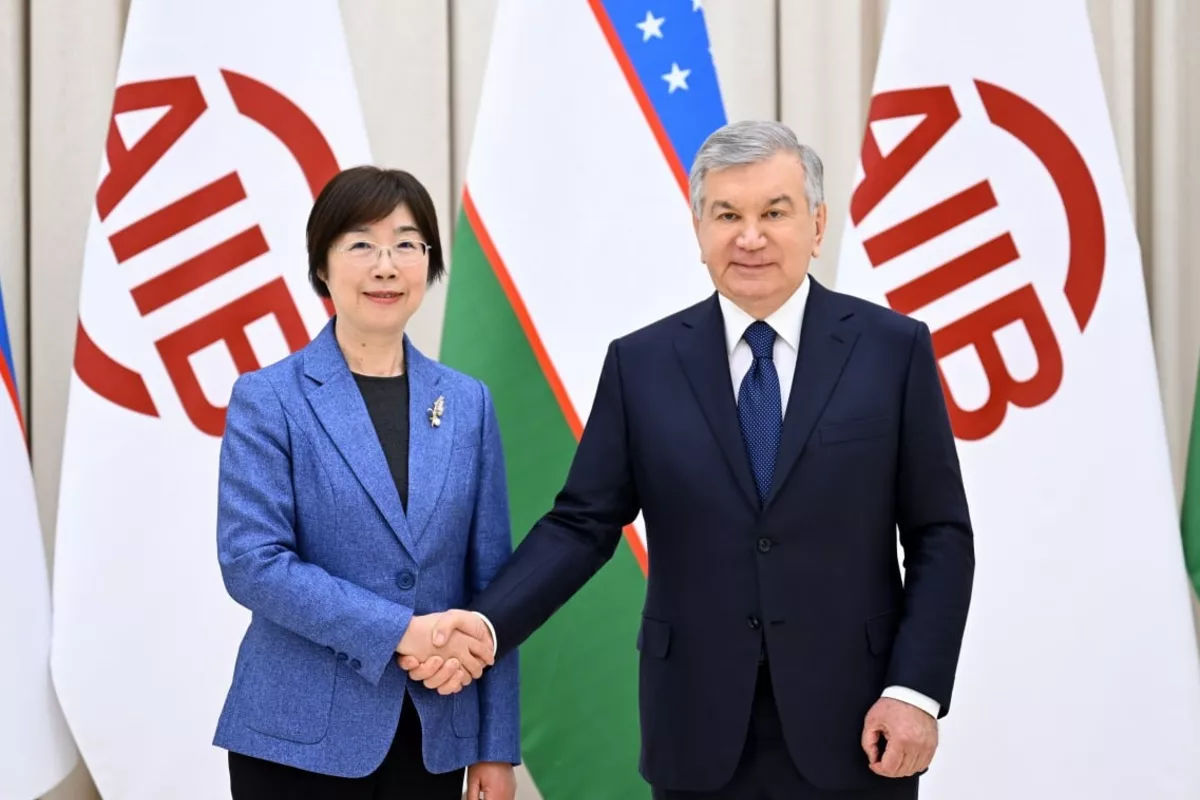
The ADB has recently announced major investments to foster Central Asian connectivity in ways that support the development of the US-backed Middle Corridor trade network, which aims to tilt regional trade westward. In addition, the ADB annual meeting is scheduled for early May in the Uzbek city of Samarkand. Responding to the ADB’s Central Asian push, the new president of the AIIB, Zou Jiayi, undertook a “listening tour“ of the region, meeting with the presidents and other top officials of Kazakhstan, Uzbekistan, Kyrgyzstan and Tajikistan. The tour did not yield any major agreements, but Zou, in assessing the results of her discussions, sounded upbeat. “Listening today helps us invest better tomorrow,” an AIIB statement quoted her as saying. The statement noted that discussions touched on a variety of areas, including trade and connectivity, “green” energy development, climate resilience, water management and digital infrastructure. “As countries accelerate renewable energy and modernize infrastructure, AIIB is committed to supporting member priorities through sustainable infrastructure financing and partnerships,” Zou said. According to the AIIB, it has investments in Central Asia totaling around $8 billion, about 11 percent of the Bank’s overall portfolio.
Regional Trade
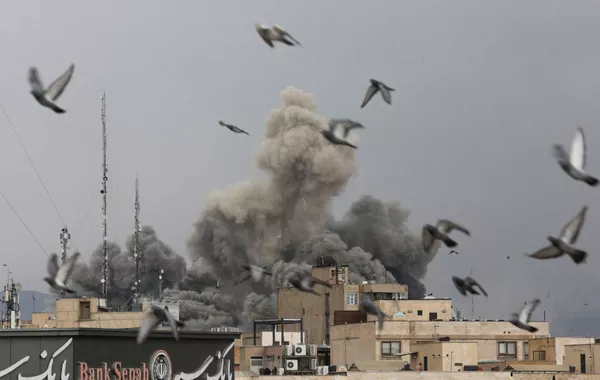
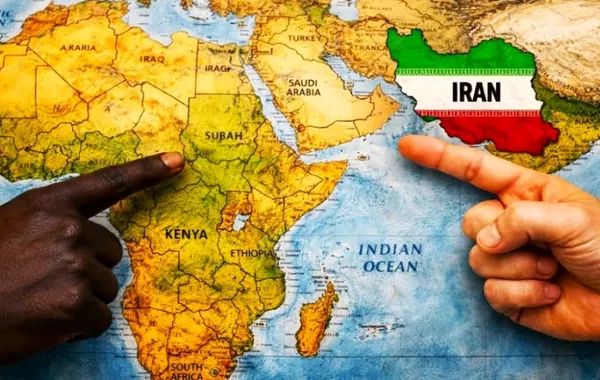
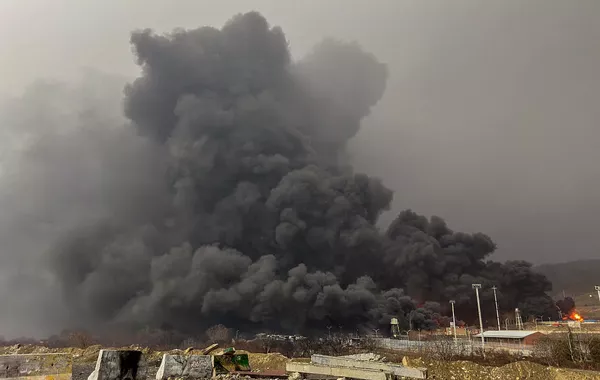
In response to the ongoing warfare in the Persian Gulf precipitated by the US-Israeli attack on Iran, Chinese companies are advertising freight transport from China to Europe through Central Asia and Russia as safer alternatives to Red Sea and Suez Canal sea routes, Kyrgyzstan’s Open.kg reports.
The China-led Shanghai Cooperation Organization, of which four of the five Central Asian states are full members, issued a statement regarding the US-Israeli strikes on Iran, saying that “SCO Member States consider the use of force as unacceptable.” The statement also emphasized a “need to ensure sovereignty, security, and territorial integrity of Iran.” Iran is an SCO member. The SCO’s position contrasts with the individual official reactions of Central Asian countries, which have adopted more neutral positions on the conflict.
Kazakhstan
Kazakhstan is expanding exchange programs with institutions in the European Union and China, aiming to train more specialists in the field of water diplomacy, according to the Kazakh Ministry of Water Resources and Irrigation. “Under current conditions, water diplomacy is gaining special importance,” reads a March 2 statement issued by the ministry. “New educational programs and initiatives are being developed and implemented in order to increase the personnel potential in this area.”
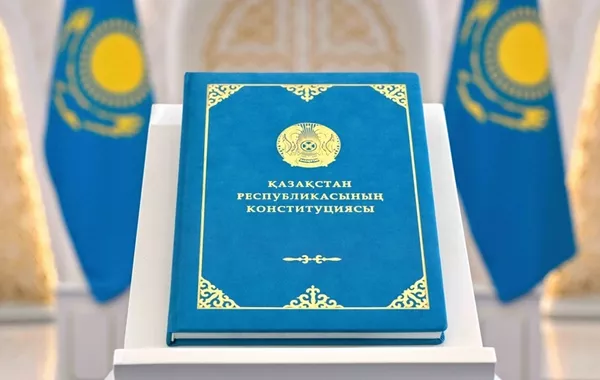
Kazakh President Kassym-Jomart Tokayev has signed an agreement between Kazakhstan and Hong Kong, a special administrative region of China, on cooperation on criminal justice matters. The agreement covers such areas as mutual assistance in investigations and criminal prosecutions.
Kyrgyzstan
Kyrgyzstan’s Deputy Prime Minister, Edil Baisalov, visited China’s Shandong province seeking investors for “new industrial enterprises.” His tour did not yield any immediate results.
The modernization of Kyrgyzstan’s largest oil refinery, Zhongda, owned by the China Petrol Company Zhongda LLC, is on schedule for completion by the end of July, the Times of Central Asia report. The owner invested $193.7 million in the upgrade, which will enable the production of automotive fuel meeting K5 environmental standards for cleaner burning, high-performance engines.
A Chinese company, identified by Kyrgyzstan’s Ministry of Water Resources as “China Road,” has received a contract to build water treatment facilities in the Chui agro-industrial zone, reports Knews.kg.
A stone crushing plant in Manas, worth $7 million and largely financed by Chinese investors, is set to launch operations in August 2026. It will employ around 70 local residents, writes Open.kg.
Chinese and Kyrgyz sports officials met in China to discuss ways to forge closer cooperation. The two sides reportedly finalized a plan to stage a marathon in the Kyrgyz capital Bishkek, tentatively titled Run the Silk Road. No specifics concerning the date of the race or the race route were disclosed, according to a report published March 3 by Open.kg. Air quality in Bishkek is frequently rated as among the most hazardous in the world between autumn and spring.
Uzbekistan
China’s importance to Uzbekistan as a trade partner continues to grow: the PRC accounted for 27.9 percent of the Central Asian nation’s total foreign trade turnover of $5.8 billion in January 2026, compared to a 22.1 percent share of $4.5 billion in January 2025. That said, a much-touted China-Uzbekistan business forum in Tashkent on March 3 appears to have been a flop, with no major agreements announced. The forum offered participating Chinese executives opportunities to meet with the heads or top officials of Uzbekistan’s Ministry of Investment, Industry and Trade, and Ministry of Agriculture, as well as the Chamber of Commerce.
Uzbekistan’s anti-corruption agency has initiated proceedings against local officials in the Samarkand region for bringing relatives and friends along on official trips to China, according to Podrobdno.uz.
Turkmenistan
Turkmenistan opened its state border to accept foreign citizens seeking to escape the warfare engulfing Iran. Among the foreigners who have crossed from Iran into Turkmenistan since the start of hostilities in late February are 25 citizens of China, according to Xinhua.