Davos Summit: Presidential Diplomacy and Its Global Geopolitical, Economic Effects
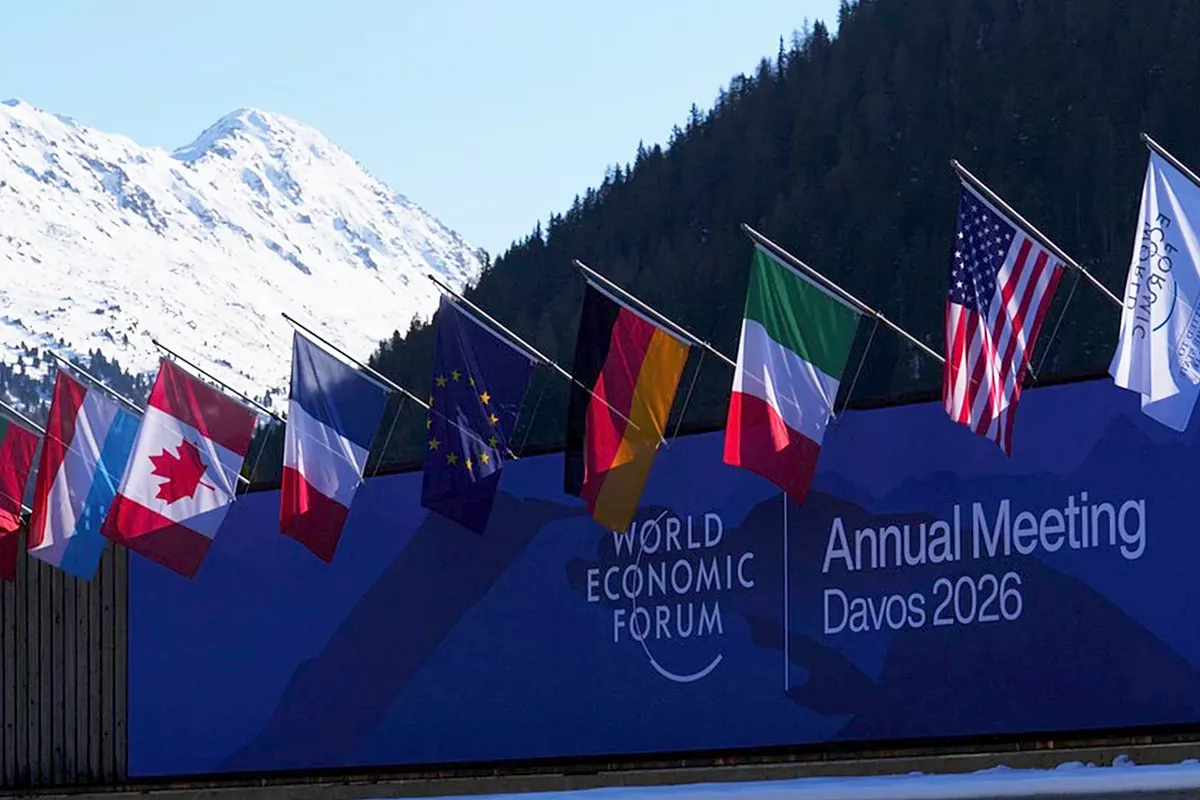
Presidential-Level Meetings Held Under The Framework Of The World Economic Forum Play A Key Role In Shaping Contemporary International Relations. The Davos Platform Provides Heads Of State With A Unique Setting To Advance Multilateral Diplomacy, Strengthen Strategic Partnerships, And Promote National Economic Interests On A Global Stage.
Davos meetings offer several notable advantages over traditional bilateral diplomacy, The Caspian Post reports, citing local media.
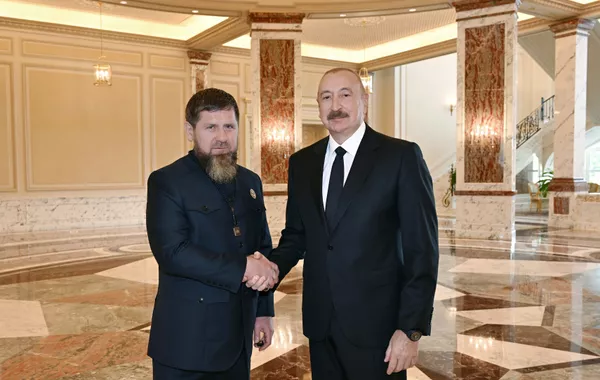
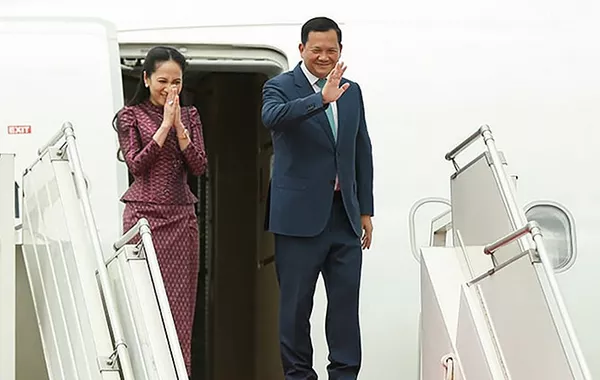
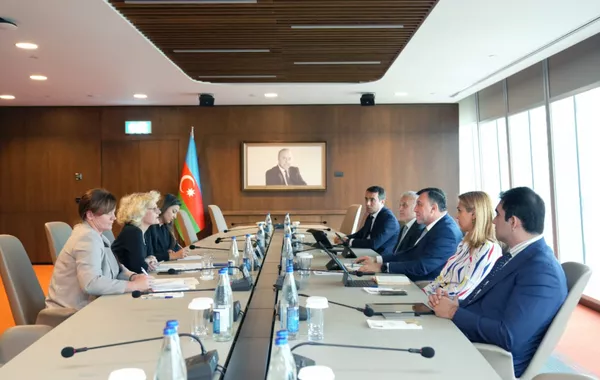
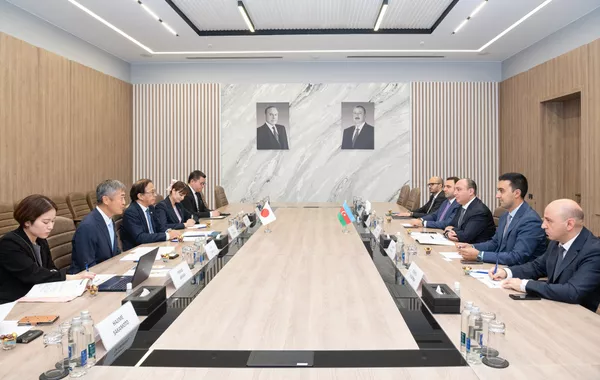
First, they make it possible to establish high-level contacts with numerous heads of state and government, leaders of international organizations, and members of the global business elite within a very short time frame. This format allows for more efficient use of diplomatic resources, reducing the time and financial costs associated with separate country visits. Second, negotiations conducted in an informal setting encourage a more open and constructive exchange. Unlike rigid protocol ceremonies and formal event formats, such meetings give heads of state the space to discuss strategic issues in a more candid and substantive manner.
Promoting a country’s investment appeal at the presidential level is critical to securing international recognition of its economic potential. The Davos forum brings together senior decision-makers from multinational corporations, making it a venue where direct engagement can meaningfully influence investment choices. Presenting economic reforms, infrastructure projects, and efforts to improve the business environment in a clear and firsthand manner sends an important signal to international investors. Commitments and assurances articulated at the level of the head of state further strengthen confidence in the country as a reliable and attractive investment destination.
Active engagement in regional and global geopolitical processes is an integral element of modern state strategy. Davos meetings provide a favorable platform for articulating national positions on the international agenda, discussing regional security issues, and strengthening mechanisms of multilateral cooperation. Demonstrating a constructive stance on globally relevant issues such as energy security, transport corridors, climate change, and digital transformation reinforces a country’s standing as an international actor. In turn, this broadens opportunities for future partnerships and active participation in international initiatives and projects.
Network diplomacy is playing an increasingly prominent role in contemporary international relations. Platforms such as Davos are not merely venues for formal negotiations; they also serve as environments where informal networks, personal connections, and mutual trust take shape. Over time, these networks can become valuable resources in addressing critical issues. Diversifying and expanding strategic partnerships is essential for national security and economic resilience. Establishing new contacts or deepening existing relationships with heads of state from different regions over the course of just a few days contributes to a more balanced and flexible foreign policy strategy.
The significance of Davos meetings extends beyond short-term outcomes. Agreements reached there, personal ties established, and mutual understanding developed translate into strategic dividends over the long term. Strengthening a country’s international image, encouraging investment inflows, and consolidating positions of regional leadership follow naturally from these processes. Ensuring that a country’s voice is heard within the global governance system, taking part in decision-making, and contributing to the shaping of the international agenda are among the core priorities of contemporary state strategy. Presidential-level engagement at Davos functions as an effective mechanism for advancing these objectives.