Azerbaijan Highlights Global Leadership Role at Davos
Located on the shores of the Caspian Sea, Azerbaijan has, over the past two decades, been transitioning from a purely regional actor into a state with a distinct voice on the global stage. Its growing presence and influence at the World Economic Forum offer a clear illustration of this shift. Rich in energy resources, yet deliberate in combining that wealth with diplomacy and a strategy of economic diversification, the Azerbaijani model has drawn increasing attention from international observers.
Davos is an annual forum held in Switzerland’s alpine region, bringing together some of the world’s most influential political leaders, business figures, and experts, The Caspian Post reports, citing stm.az.
In recent years, Azerbaijan has moved beyond the role of a passive participant on this platform, positioning itself as an active contributor that helps shape discussions on selected issues. This engagement has taken shape along three main lines: positioning in the field of energy security, commitments to green transformation, and mediation within the East-West dialogue.
The energy sector is one of the cornerstones of Azerbaijan’s international standing. Acting as an alternative energy corridor for Europe, the country has reinforced its reputation as a reliable partner, particularly since 2022, through expanded commitments to gas supplies. The Southern Gas Corridor is viewed not only as a piece of technical infrastructure but also as an instrument of geopolitical autonomy. Memoranda signed with the European Commission and plans to increase the share of Azerbaijani gas in Europe’s energy mix represent tangible outcomes of this approach. Against the backdrop of the Ukraine crisis and Europe’s search for energy security, Azerbaijan has further consolidated its position as a strategic partner.
Traditionally known as a fossil fuel exporter, Azerbaijan is now joining the ranks of countries investing in green energy transformation. Hosting the COP29 Climate Conference in 2024 stands as the symbolic high point of this strategy. The country frames this shift as a transition from an energy exporter to a leader in green transformation, reinforcing the narrative with concrete, practical steps.
Azerbaijan’s geographic position, cultural diversity, and balanced foreign policy enable it to present itself as a mediator in global dialogue. At Davos, the country is perceived as one of the few actors capable of understanding perspectives from both the West and the East.
Azerbaijan’s global leadership strategy is not built solely on the energy sector. The country is pursuing a systematic effort to restructure its economy. Digital transformation stands among the leading priorities of this process, with the ASAN Service model gaining international recognition as a practical example of this approach.
Significant steps are also being taken in the fields of tourism and cultural diplomacy. Hosting events such as the Formula One Grand Prix in Baku, the European Games, and major international conferences has helped position the country as a venue for global events.
Against the backdrop of climate change and growing concerns over global food security, Azerbaijan’s agricultural potential is also acquiring strategic relevance.
One of the key features of Azerbaijan’s global leadership model is its balanced geopolitical approach. A multi-vector foreign policy preserves the country’s capacity for independent decision-making.
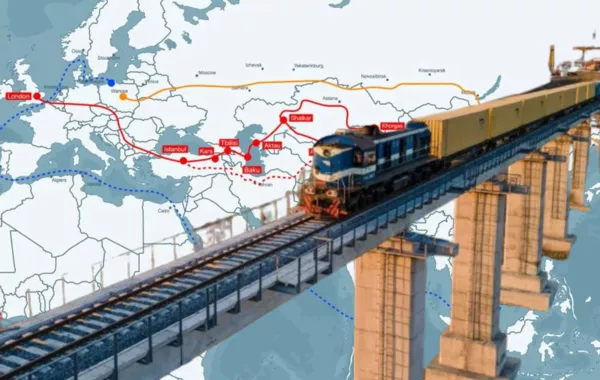
Experience in promoting regional stability and post-conflict reconstruction is presented at Davos as a reference case. The reconstruction of Karabakh and the development of transport corridors represent the practical dimension of this policy.
Azerbaijan’s future strategy is taking shape around the development of an innovation-driven economy, the expansion of green energy, and the ambition to become a regional transport hub.
The country’s growing role on the Davos platform is the result of deliberate policymaking, effective resource management, and geopolitical agility.