photo: NDTV
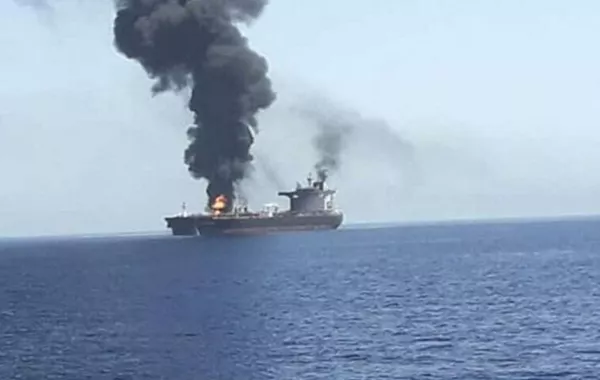
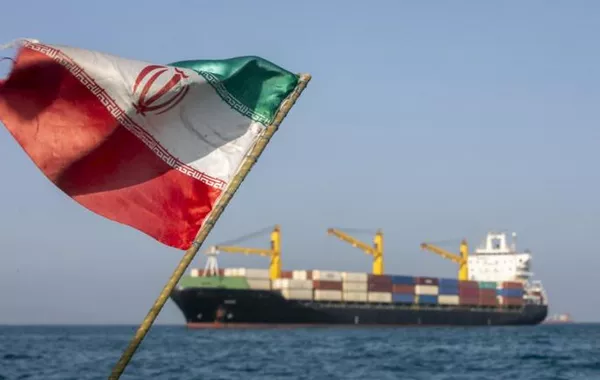
After U.S. and Israeli strikes, Iran has decided to close the Strait of Hormuz, the Iranian Navy announced on February 28, banning all vessels from passing through.
This crucial maritime channel is a lifeline for global oil markets. Experts warn that a full closure could send oil prices soaring to $250 per barrel, up from the current $80 range, The Caspian Post reports via Russian media.
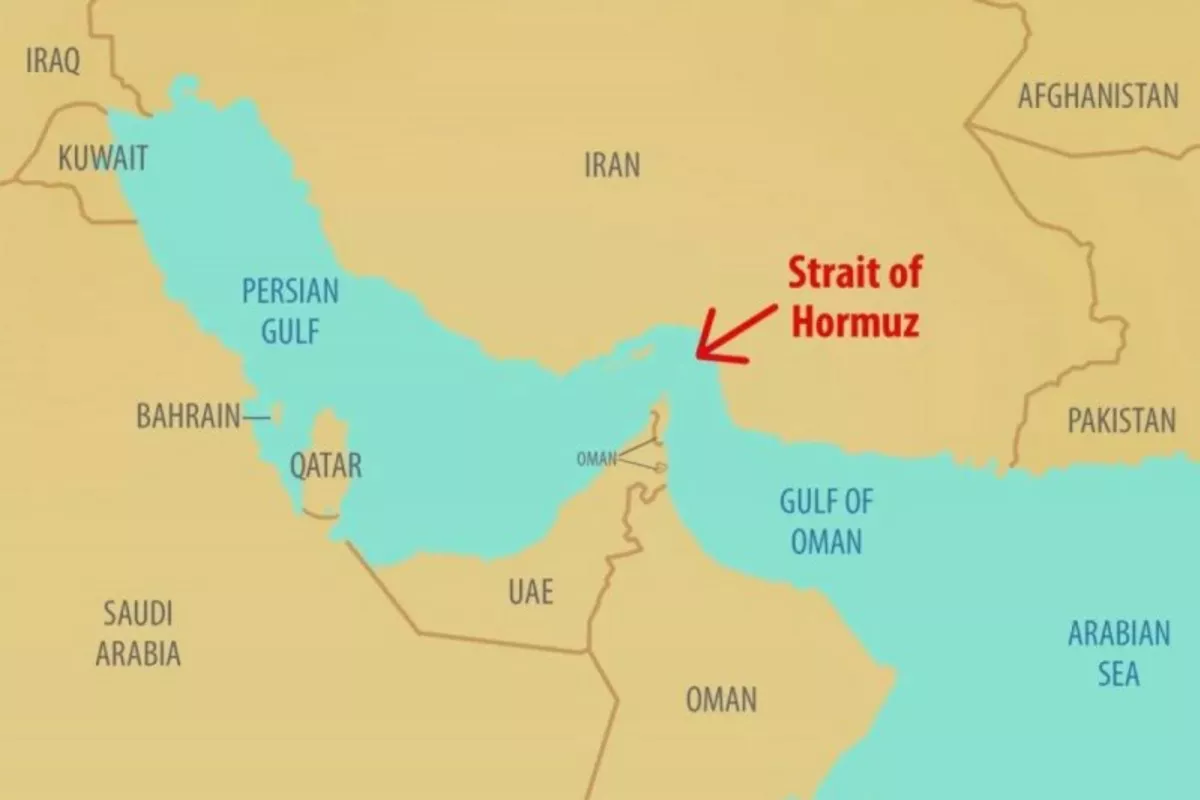
The Strait of Hormuz, located in the Indian Ocean, connects the Persian and Oman Gulfs to the Arabian Sea. Iran lies on one side, Oman on the other.
The strait is among the world’s most critical shipping routes. Oil tankers carry crude from Iraq, the UAE, Saudi Arabia, Kuwait, Bahrain, and Qatar through this narrow passage. Roughly 15-20% of the world’s oil, condensates, and petroleum products-and over 30% of liquefied natural gas-flow through it.
Some 82% of oil volumes shipped via the strait go to Asia, with the rest destined for Europe. Around 24% of China’s LNG imports pass through here. The strait is one of the busiest routes in the world, with 200-300 vessels daily, sometimes sailing every six minutes during peak hours.
Iranian experts say closing the Strait of Hormuz would sharply cut oil supply to global markets, triggering a spike in prices. Since oil fuels the global economy, any price surge would ripple through supply chains worldwide.
Following Israel’s strike on Iran, Brent crude prices already jumped 13% to $78.5 per barrel. Iran estimates that a full closure of the strait could push prices up to $250 per barrel. More conservative forecasts, like those from JPMorgan, warn of an increase to $130 per barrel-but add that even higher prices are possible.
Share on social media