Russia and China Arming Iran for a Showdown with the United States
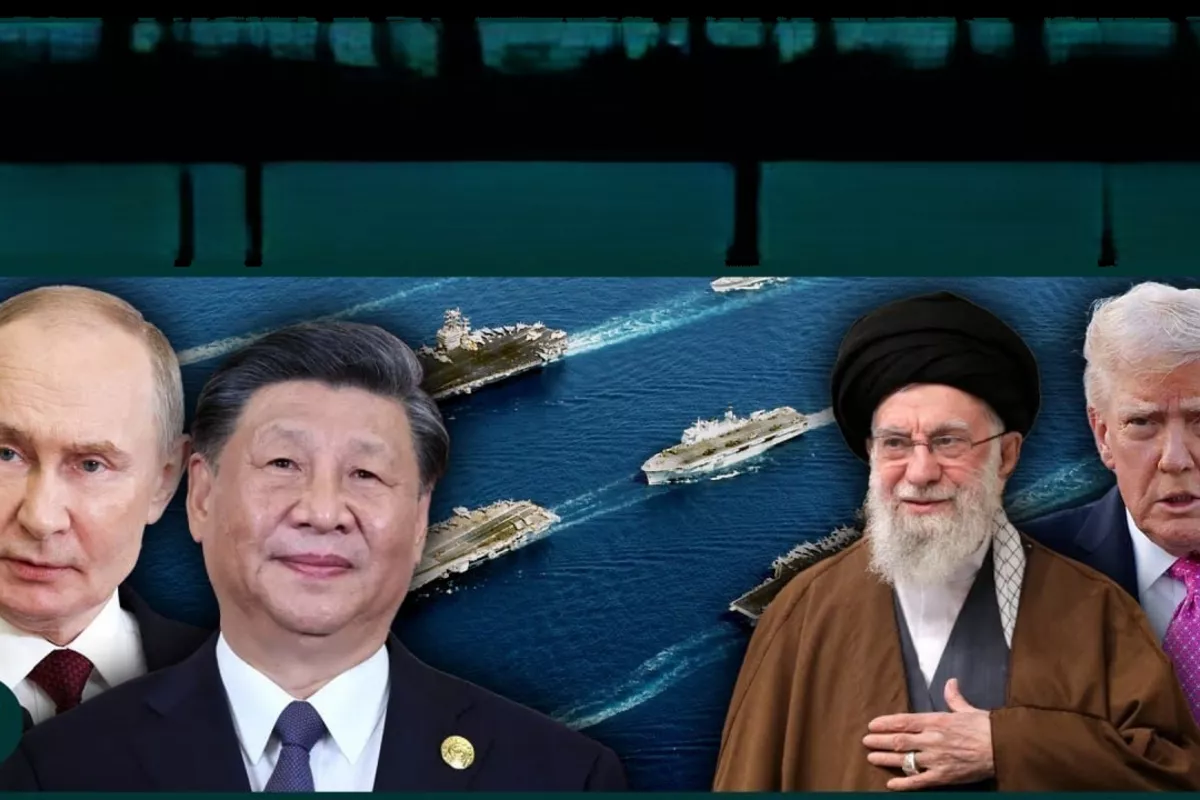
The Middle East is once again approaching a period of heightened volatility. Renewed discussions in Washington about potential military action against Iranian targets have coincided with a noticeable acceleration of military cooperation between Iran, Russia, and China. While none of the parties openly frames their actions as preparation for imminent war, the pattern of defense agreements, weapons transfers, joint exercises, and diplomatic signaling suggests a coordinated effort to reshape the regional balance of power before any confrontation occurs.
At the center of this shift is Iran’s urgent effort to reinforce its defensive architecture. In December 2025, Tehran reportedly finalized a major agreement with Russia valued at nearly $590 million, focused on strengthening Iran’s air defense capabilities. The deal includes large quantities of portable air defense systems and thousands of associated missiles designed to counter aircraft, drones, and low-altitude threats. For Iran, whose conventional air force remains limited compared with U.S. capabilities, air defense modernization is not optional - it is existential.
The strategic logic is clear. The United States maintains unmatched airpower projection in the region, including carrier strike groups, long-range bombers, stealth aircraft, and precision-guided munitions. Any potential U.S. strike would likely rely heavily on air superiority. By investing in mobile, dispersed air defense systems that are difficult to detect and neutralize, Iran is attempting to complicate the calculus of air operations. Even if such systems cannot fully prevent strikes, they can increase operational risk, raise costs, and potentially deter limited attacks by introducing uncertainty.
Beyond portable systems, analysts suggest that Russia’s broader military-technical cooperation with Iran may extend to radar modernization, electronic warfare integration, and improved command-and-control structures. These enhancements would not merely provide equipment but help integrate Iran’s defensive network into a more resilient, layered architecture. This reflects a long-term strategic partnership rather than a one-off transaction.
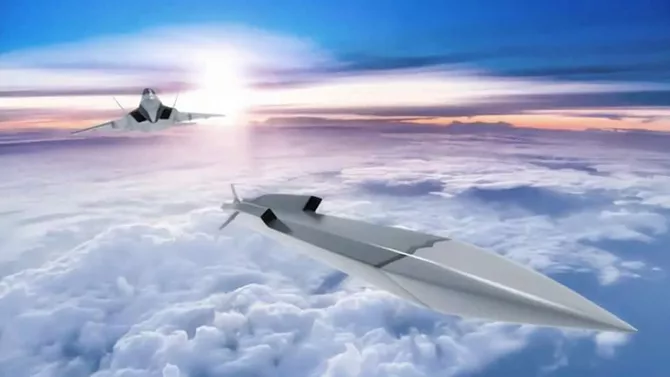
photo: navalnews
China’s involvement, meanwhile, strengthens Iran’s deterrence in a different domain: maritime power projection. Reports indicate that Tehran is close to finalizing a deal with Beijing for advanced supersonic anti-ship cruise missiles. These systems are particularly relevant in the context of the Strait of Hormuz, through which roughly one-fifth of global oil flows. The Strait is not only an economic chokepoint but also a strategic pressure point in any confrontation involving Iran and the United States.
Supersonic anti-ship missiles, especially those capable of low-altitude sea-skimming trajectories, significantly reduce reaction time for naval defense systems. Even if interception remains possible, the presence of such weapons forces naval planners to adjust deployment patterns, increase defensive readiness, and reconsider risk exposure. For Iran, which cannot match U.S. naval tonnage or global fleet strength, asymmetric capabilities represent the most effective method of balancing superior forces.
This maritime dimension is crucial. Iran has long invested in fast-attack craft, naval mines, and coastal missile batteries as part of its “anti-access/area denial” strategy. The potential addition of advanced Chinese missile systems would strengthen this doctrine, signaling that any attempt to exert overwhelming naval pressure could face costly resistance. In this sense, Beijing’s role is not simply commercial but geopolitical - reinforcing a regional actor that challenges U.S. dominance without directly confronting Washington.
At the same time, both Moscow and Beijing are careful to calibrate their involvement. Neither power appears willing to commit to direct military intervention on Iran’s behalf. Instead, they provide tools of deterrence while maintaining diplomatic distance from potential escalation. This approach allows them to expand influence, deepen strategic ties with Tehran, and counterbalance U.S. presence - all without crossing the threshold into open great-power confrontation.
Washington’s posture reflects a mixture of pressure and restraint. While political rhetoric about “limited strikes” has surfaced, senior military officials have reportedly expressed concern about escalation risks. Iran possesses a network of regional alliances and proxy forces capable of retaliatory actions beyond its borders. U.S. military bases in the Gulf, maritime shipping routes, and allied states could all become theaters of response. In addition, energy markets remain highly sensitive to disruptions in the Strait of Hormuz, meaning any confrontation would have immediate global economic consequences.
This is where Russia and China’s broader strategic objectives become visible. For Moscow, deepening military cooperation with Iran serves multiple purposes: it strengthens a partner that challenges U.S. influence in the Middle East, reinforces Russia’s image as a reliable arms supplier, and expands leverage in a region critical to global energy flows. For Beijing, supporting Iran aligns with its long-term Belt and Road interests, energy security priorities, and desire to present itself as an alternative power center advocating multipolarity.
Diplomatically, both Moscow and Beijing have emphasized calls for restraint and dialogue, publicly warning that unilateral military action could destabilize not only the Middle East but the wider international system. These statements serve a dual function: positioning Russia and China as defenders of stability while signaling opposition to U.S. unilateralism.
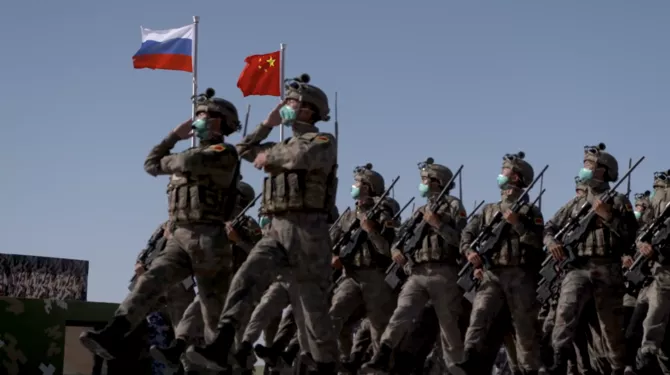
photo: BBC
The evolving situation reflects a broader structural transformation in global geopolitics. The Middle East is no longer a theater where U.S. decisions unfold in relative isolation. Instead, it has become intertwined with great-power competition. Military transfers to Iran are not isolated tactical decisions but components of a larger strategic alignment that reflects shifting power dynamics.
Even if a U.S. strike does not materialize, the consequences of this accelerated military cooperation will persist. Iran’s improved air defense network and enhanced maritime strike capability strengthen its deterrence posture for years to come. Russia and China expand their influence and demonstrate their willingness to shape security outcomes in regions traditionally dominated by Washington. The United States, in turn, faces a more complex operational environment in any future crisis.
In this emerging multipolar landscape, deterrence is no longer one-dimensional. It is layered, interconnected, and increasingly influenced by indirect partnerships. Russia and China may not be preparing for war with the United States over Iran, but they are clearly ensuring that Tehran is better positioned to withstand pressure. That alone alters the strategic equation and underscores how the Middle East has become a frontline of broader global competition rather than a standalone regional crisis.
By Samir Muradov