Gulf Faces the Inevitable: Redefining Security Without the West
The character of the Gulf as a sanctuary of geo-economic immunity within a volatile Middle East has vanished. For over several decades, the six nations of the Gulf Cooperation Council (GCC) successfully distanced themselves from the "Orientalist" tropes of chaos and conflict, rebranding a $2 trillion economy, nearly 57 million population, as a global hub of stability and diversification.
However, the escalation that began in February 2026 between the U.S.-Israel alliance and Iran has shattered this exceptionalism. As Iranian retaliations spread across all six GCC states, sparing neither the traditionally neutral nor the historically aligned, the region faces an existential inflection point.
The strategic dilemma for the Gulf states now is about surviving the crossfire. This raises a singular, urgent research question for the Gulf studies. How can the Gulf states reconstruct a viable security and economic architecture when their reliance on Western protection has failed to shield their "vital arteries" from total exposure?
Erosion of Neutrality Shield
The current conflict represents a radical departure in scale and character from the June 2025 U.S.-Israeli strikes on Iran. While those earlier engagements largely bypassed the Gulf with the notable exception of Qatar’s Al-Udeid base, the 2026 campaign has expanded to include the entirety of the GCC geography. Tehran’s strategic calculus has shifted toward a doctrine of total regional entanglement to defend itself.
Following the assassination of Supreme Leader Ayatollah Ali Khamenei and the subsequent targeting of Iranian political and military elites, Tehran abandoned the unspoken rules of engagement. Under the new leadership of Mojtaba Khamenei, Iran has deliberately expanded the theater of war.
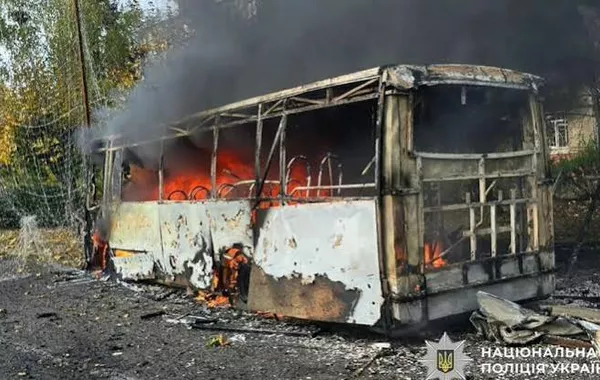
The character of the strikes has evolved from military-to-military confrontations to a systematic campaign against civilian and diplomatic infrastructure. For the Gulf, the message from Tehran is clear, and it is that there is no longer a middle ground. Whether through "love or hatred," the GCC is now an inseparable part of the Iranian defensive and offensive perimeter.
Targeted Economic Heart
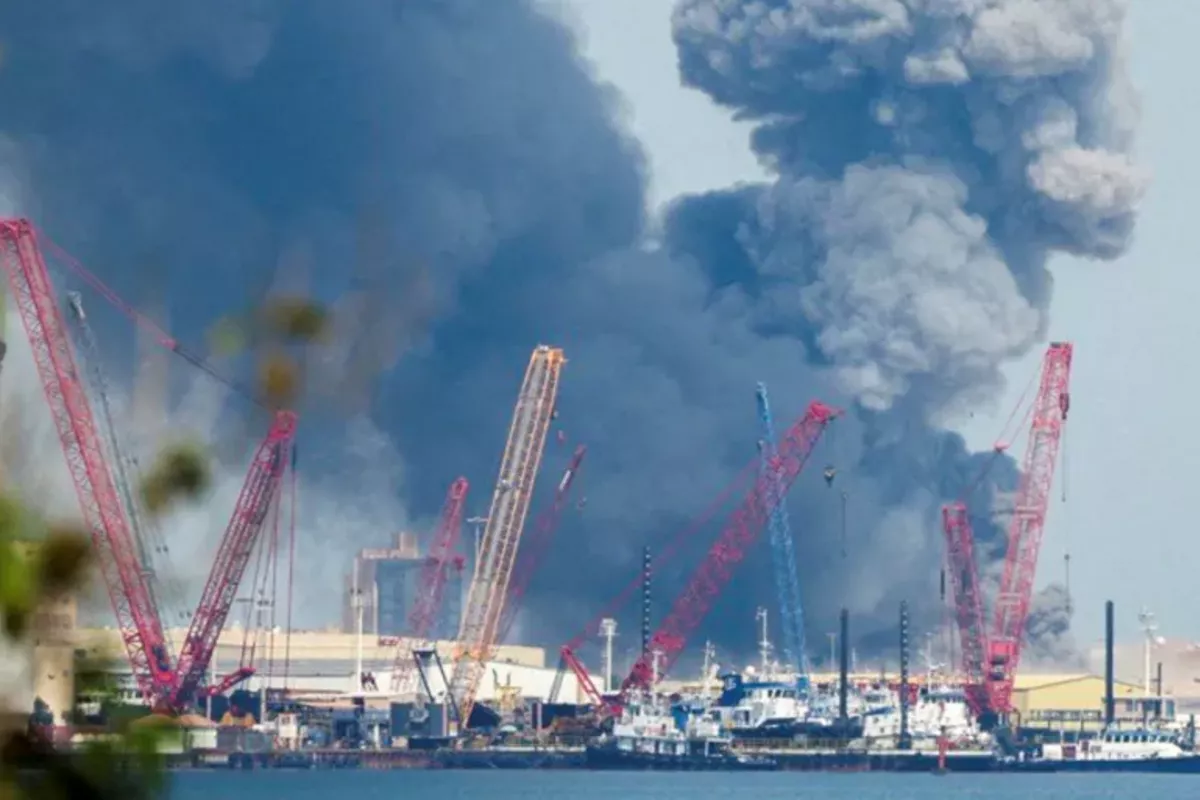
The most devastating dimension of this shift is Iran’s decision to target the Gulf’s "lifeblood," its energy reservoirs, pipelines and liquified natural gas (LNG) terminals. Historically, even during periods of high tension, Iran refrained from direct, overt attacks on GCC infrastructure that lacked a direct U.S. military presence. That restraint has ended. By striking non-U.S.-linked economic-energy assets, Tehran has triggered a global supply shock and sent oil prices into a vertical ascent.
The logic behind this escalation is psychological as much as it is kinetic. By paralyzing the Gulf’s economic engines, Iran aims to demonstrate that the U.S.-Israeli security umbrella is porous and ineffective.
Tehran’s objective is to force the GCC states into a corner where they must pressure Washington and Tel Aviv to halt their campaign or face total economic ruin. While the new Iranian leadership maintains a rhetorical commitment to "neighborly relations," the reality on the ground is one of wreckage, designed to prove that the Gulf’s prosperity is hostage to Iran’s security.
Crisis of Expensive Insecurity
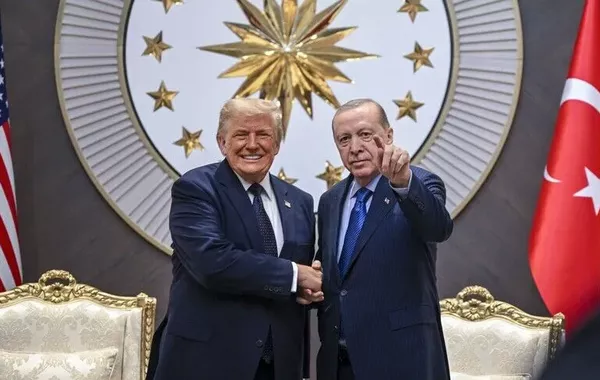
This conflagration has sparked a profound crisis of confidence in the Gulf’s traditional alliances. Despite giving promises of $3.5 trillion in investment security less than a year ago to the Trump administration, the GCC now finds itself in a geography of absolute insecurity. It is a painful realization that in the heat of a regional war, the Trump administration has prioritized Israeli strategic objectives over Gulf stability.
The argument that Gulf and Israeli interests are perfectly aligned is no longer an easy "sell" in Riyadh, Abu Dhabi, Doha or Manama. The sight of smoke over Dubai and explosions in Doha has invalidated the premise of the "stability islands." Consequently, the Gulf must now manage a dual failure, which is the failure of the U.S. to provide a "protective shield" and the failure of regional diplomacy to prevent the very nuclear enrichment escalation they long feared.
This necessitates a move away from bilateral security dependence toward a more unified GCC consensus. Even states like Kuwait, Qatar and Oman, which previously maintained warmer ties with Tehran, have been struck, making a collective, multi-lateral stance against Iranian aggression the only remaining path forward, whether military or diplomatic.
Turn to Regionalism?
The answer to the Gulf’s strategic dilemma lies in an inevitable return to "regionalism." The transition from a geo-economic focus back to the harsh realities of geopolitics has taught the GCC that it cannot outsource its survival to distant powers that prioritize other actors. To survive the post-war era, the Gulf must deepen its own military coordination and strengthen regional blocs like the Gulf Cooperation Council, Arab League, and the Organisation of Islamic Cooperation (OIC).
While the GCC will not completely cut ties with the U.S., Israel or even Iran, the nature of those relationships has fundamentally changed. The Gulf has learned that its "protective shields" must be regional and collective rather than external and transactional. Looking forward, the Gulf’s primary task will be the difficult reconstruction of its "stability brand," a task that requires moving beyond mere economic diversification and toward a self-reliant, unified defense architecture that can withstand the next inevitable regional tremor.
Find the original article here.