US President Donald Trump has a busy weekend ahead. The football World Cup has returned to the country after three decades; the White House is preparing for a UFC bout to mark Trump’s 80th birthday on Sunday. Then, he will fly to the French Alps for a G7 summit.
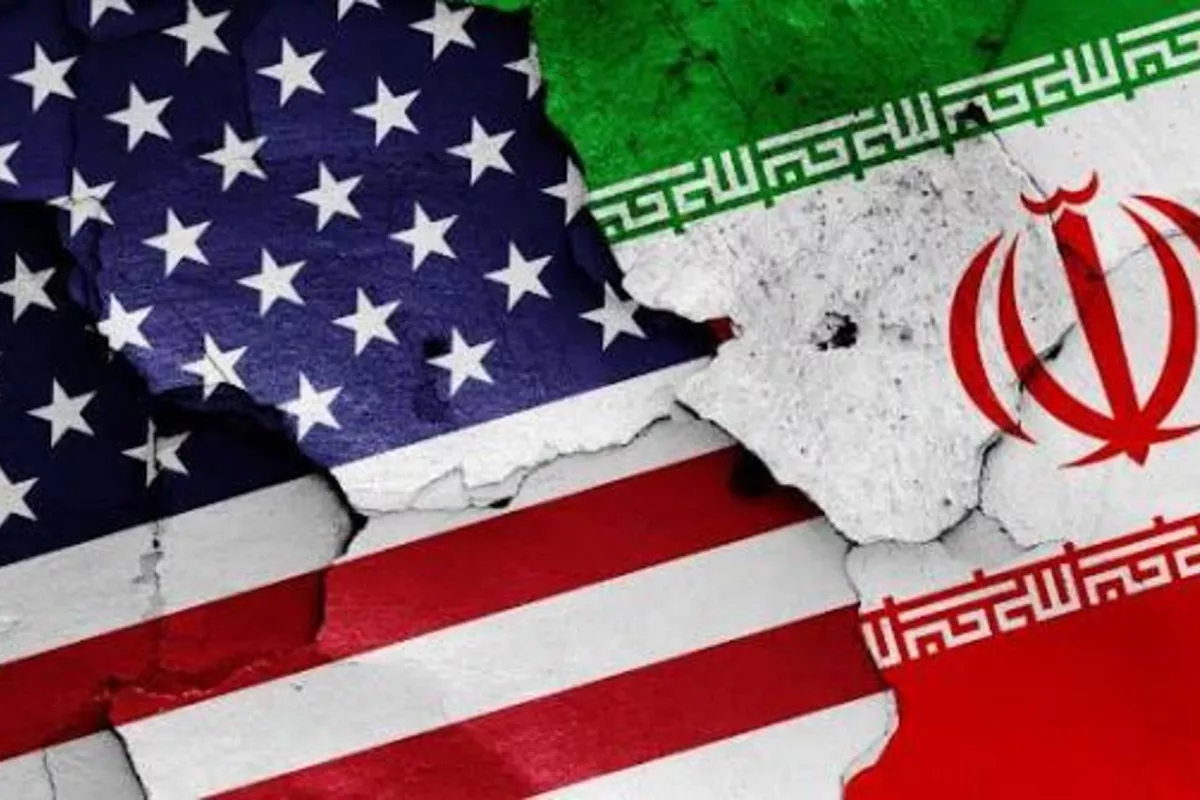
But amid the pageantry, Trump is chasing a pivotal moment of his presidency: a deal with Iran that he says is imminent, but which Tehran has since cautioned on.
Shortly after threatening to take control of Iran’s prized Kharg island oil facility, which processes 90 percent of Iran’s crude exports, Trump said he had called off strikes on the country as a deal with Tehran was close and could even be signed over the weekend.
Tehran acknowledged that discussions were taking place, but that a final decision on the proposed deal had not been reached. It listed several challenges in the way and accused the US of changing its demands.
Any “deal” agreed upon now, analysts say, will not be a final peace agreement, but an understanding to keep the ceasefire going while deeper negotiations take place.
Since the US and Israel started the war by attacking Iran in late February, Trump has claimed nearly 40 times that a deal with Iran was imminent. But after months of lurching from one crisis to another - and several exchanges of fire between the two sides this week alone - diplomacy has continued.
Direct talks between the US and Iran collapsed nearly as soon as they started in Islamabad in April, but the two sides have since exchanged a series of proposals and counterproposals for peace via Pakistani mediators.
So, what is the “deal” Trump is announcing to end a war that has negatively hit the president’s approval ratings, and brought about the worst energy crisis in modern history?
What has Trump said about the deal with Iran?
In a post on his Truth Social platform on Thursday, Trump announced that “discussions with the Islamic Republic of Iran have been brought to the highest level of Iranian leadership and approved”.
Therefore, he said, Washington was cancelling scheduled strikes and bombings against Iran on Thursday evening.
Trump further stated that “discussions and final points have been, in both concept and great detail, approved by all parties involved, including the United States, Israel, Saudi Arabia, UAE, Qatar, Turkey, Pakistan, Bahrain, Kuwait, Jordan, Egypt, and others”.
The president added that the time and place of the signing of an agreement would be “announced shortly” and that a ceremony could take place somewhere in Europe over the coming weekend. He said this would be led by Vice President JD Vance, who oversaw face-to-face talks in Islamabad in April when the ceasefire was first brokered.
Trump said he believed that Iran’s Supreme Leader Mojtaba Khamenei had approved the agreement as well. There has been no confirmation of this from Tehran.
During a tele-rally in support of Republican Senate candidate Barry Moore, Trump said, “We made a great deal. There’ll be no nuclear weapons. People will start coming home very soon. It’s pretty much, pretty much completed. We got everything we wanted.”
Has a Deal Really Been Done?
Iran has not confirmed its part in any deal - indeed, it has referred to Trump’s comments as “speculation”. Furthermore, analysts warned that Trump’s rhetoric does not always match reality.
On Friday, Wolfgang Pusztai, a defence analyst and former Austrian military official, dismissed Trump’s claims that a definitive deal ending the war with Iran would be announced.
“All the statements of the US president must be seen under the condition they should not be taken literally,” he said. “Trump’s statements are part of information warfare.”
Trump has three target audiences with his comments: his Republican base, the international stock and oil markets, and the government in Iran, Pusztai told Al Jazeera.
“He wants to increase the pressure on Iran by these statements by threatening military action and by continuing the blockade.”
What is Iran Saying?
Esmaeil Baghaei, Iran’s foreign ministry spokesperson, said Washington’s statements “about the agreement are speculation and nothing has been finalised”.
“If Iran was going to back down from its principled positions under pressure and threats, it would have done so a year ago,” he added, responding to Trump’s insistence that Tehran is under pressure to agree to a deal.
“So far, Iran has not reached a final conclusion about the agreement,” he said, according to Iran’s semi-state Tasnim news agency.
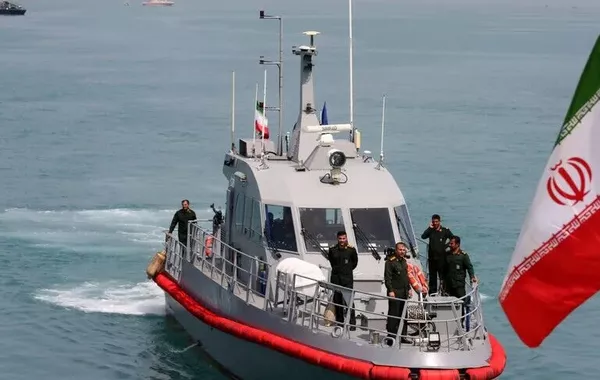
“Due to the illegal actions of the United States in its aggression against Iran, the diplomatic process has also been affected,” Baghaei added. “The situation in the Strait of Hormuz is more insecure due to US actions.”
Baghaei acknowledged that the “mediators are active and we have clearly communicated our positions to them”, referring to Qatar and Pakistan.
“The status of the negotiations was clear to us from the beginning, and most of the text was finalised, but the Americans kept changing their positions,” he added. “Iran has proven that it does not compromise on what it has defined as a red line.”