The Growing Footprint of Geography on Foreign Policy

photo: getty images

The Growing Footprint of Geography on Foreign Policy

A foreign policy that takes the brutal realities of physical geography seriously should create an inventory of critical routes.

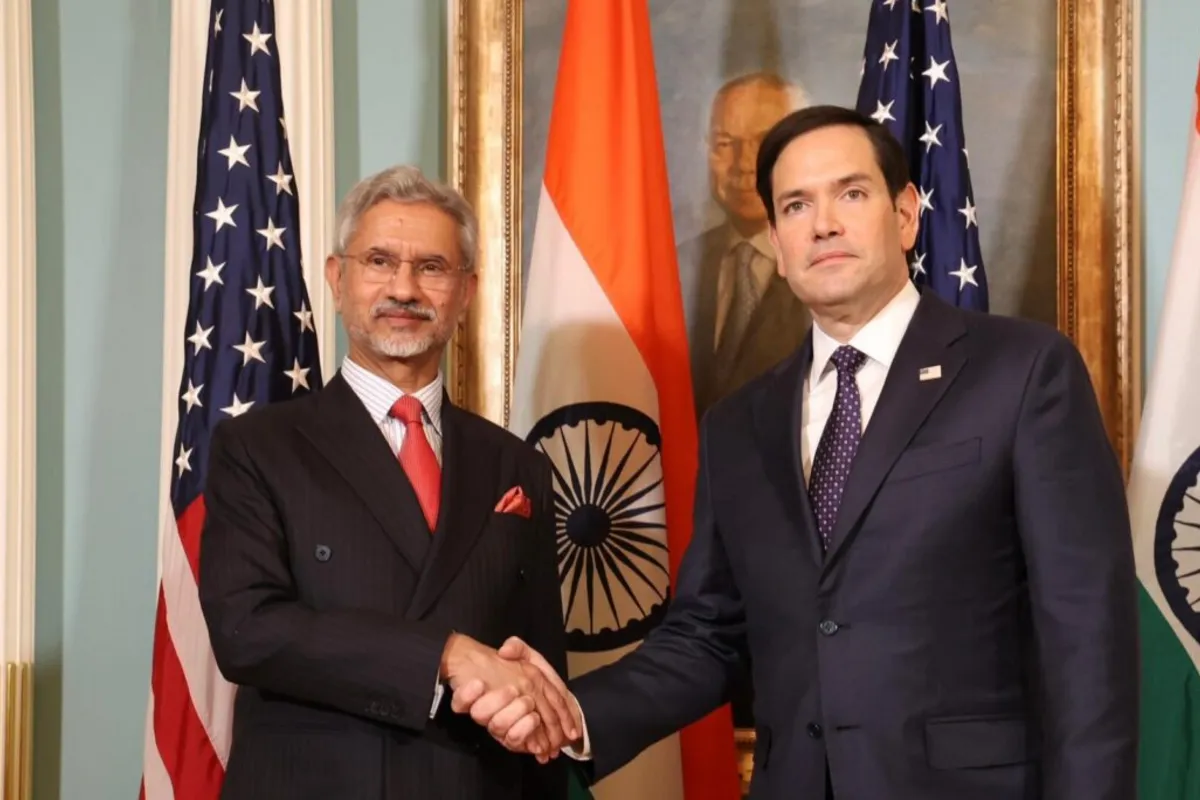
On October 20, external affairs minister S Jaishankar met US Secretary of State Marco Rubio and UAE foreign minister Sheikh Abdullah bin Zayed in Mumbai for a quiet trilateral on energy and connectivity, according to Hindustan Times.

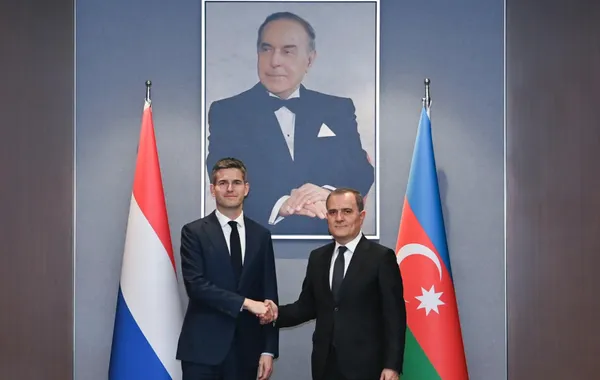
On October 22, Poland's Prime Minister Donald Tusk was in New Delhi to talk defence, space, and nuclear energy. And by the end of last week, Jaishankar arrived in Baku - marking the first bilateral visit by an Indian foreign minister to Azerbaijan in eight years. But why the Caucasus, and why now?

For a country that showed little interest towards Central Europe in recent years, this is remarkable and perhaps indicative of important changes in New Delhi’s view of how the Iran war is altering the strategic geography around it.

When the Iran war closed the Strait of Hormuz, India was faced with an uncomfortable truth: Its economy runs almost entirely on routes - the Hormuz and the Suez - it has little control or leverage over. Perhaps not even Malacca in a decisive manner. And the only land path linking India to Russia and Central Asia goes through Iran - that too is as vulnerable as the others.

We knew this was vulnerable geography but it didn’t register much in our strategic calculations because the great powers and great power consensus underwrote the safety of the global sea lanes.

The Iran war, American reticence about global order, and the weakening of the idea of global commons have made the strategic geography around India far more uncertain and dangerous.

Related news

The Growing Footprint of Geography on Foreign Policy

A foreign policy that takes the brutal realities of physical geography seriously should create an inventory of critical routes.