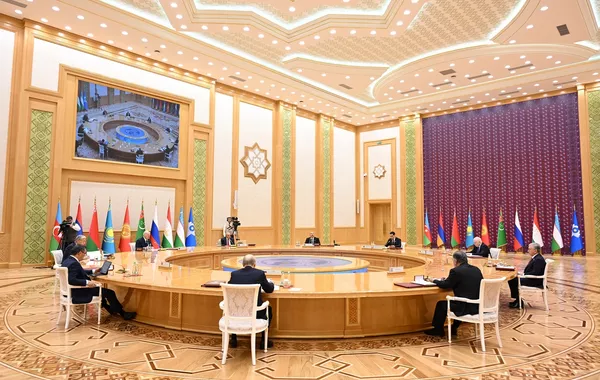
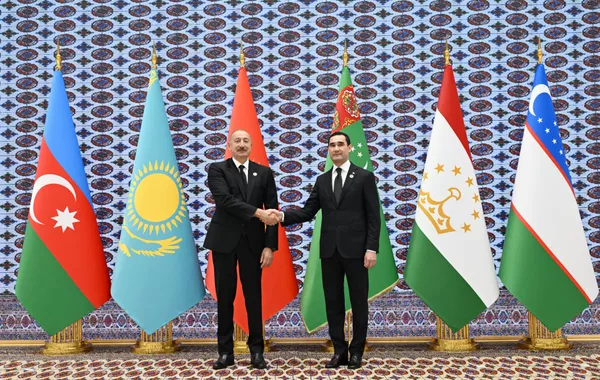
US Secretary of State Marco Rubio’s visit to Uzbekistan for the C5+1 ministerial meeting in Samarkand was not simply another diplomatic stop on a crowded foreign-policy calendar. The presence of more than 200 American business executives made the purpose unmistakable: Washington is moving to translate strategic interest in Central Asia into commercial influence.
For years, the United States engaged the region largely through the language of security, sovereignty and regional stability. Those concerns remain. But the emphasis is shifting. Critical minerals, energy, advanced technology, logistics and market access are now at the centre of the conversation.
That shift has implications well beyond the five Central Asian republics. It places Azerbaijan-often treated as a separate geopolitical file-at the heart of a much larger economic map.
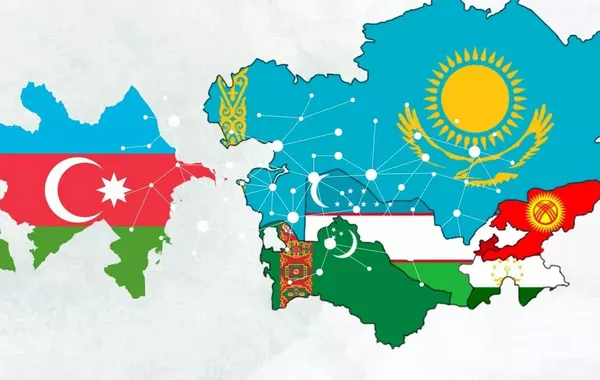
The C5+1 framework, established in 2015, brings together the United States, Kazakhstan, Kyrgyzstan, Tajikistan, Turkmenistan and Uzbekistan. It has evolved steadily from a consultative format into a more substantive platform. The 2023 presidential summit in New York, the creation of a Critical Minerals Dialogue and the B5+1 business forum all point to the same conclusion: the United States sees Central Asia as a serious economic partner, not merely a remote geopolitical frontier.
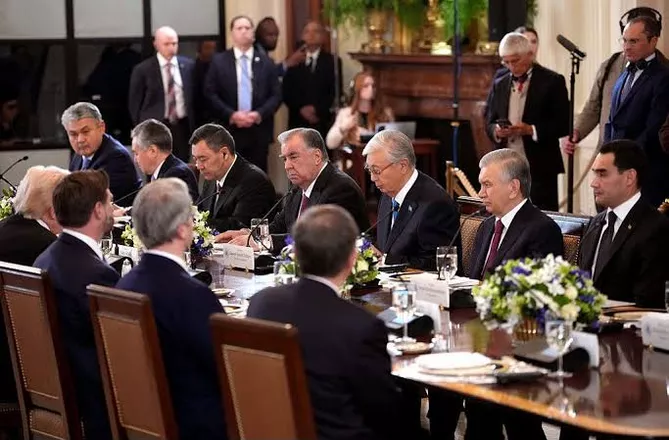
photo: getty images
This is a logical response to changing global conditions. Western governments and companies are seeking to diversify supply chains, secure access to strategically important minerals and reduce the vulnerabilities created by overdependence on a small number of producers and transit routes. Central Asia offers resources, industrial potential and a pivotal location between China, Russia, the Middle East and Europe.
But strategic minerals do not move to global markets by themselves. Neither do investments automatically create influence. They need efficient, predictable and politically secure transport routes. Here, geography gives Azerbaijan an advantage few other states can match.
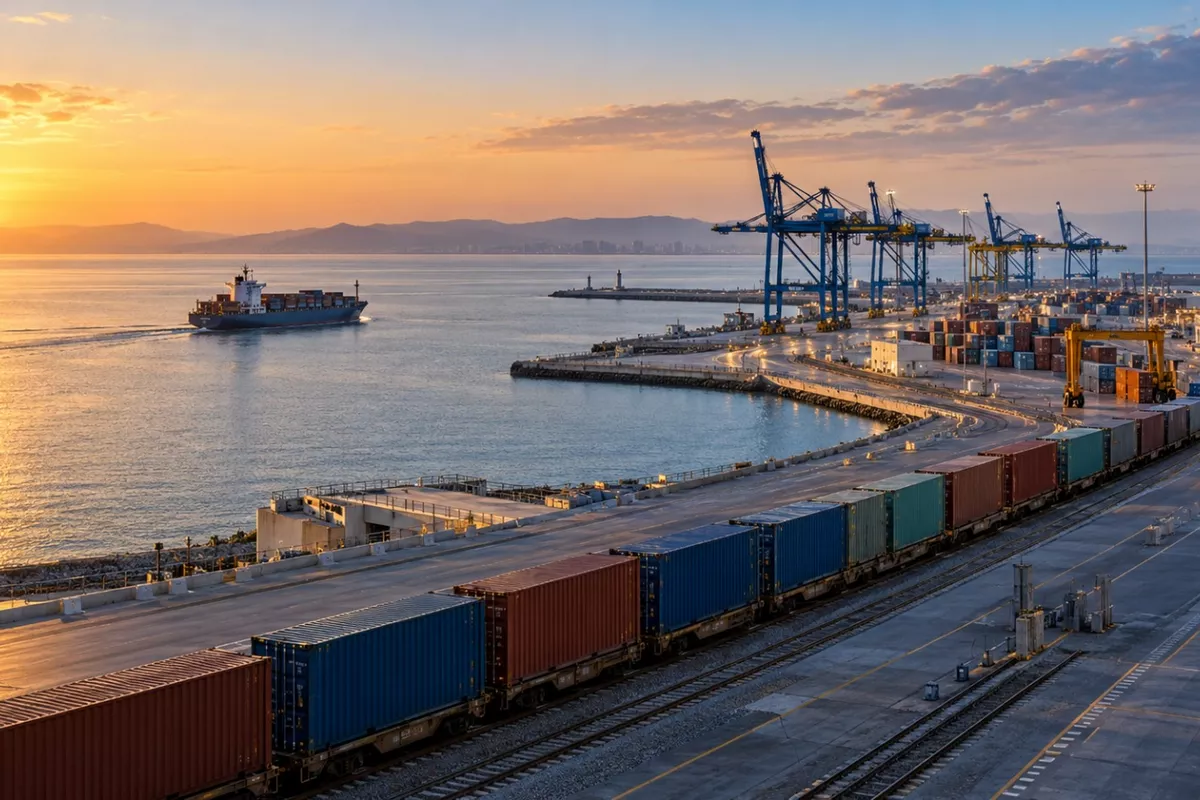
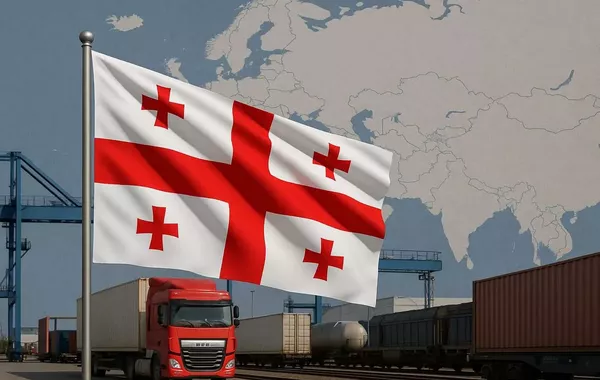
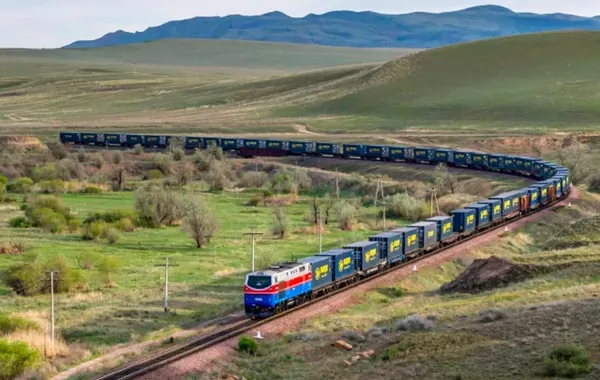
The Middle Corridor is increasingly the missing link between Washington’s economic ambitions in Central Asia and Europe’s demand for secure access to new sources of trade and raw materials. Crossing the Caspian Sea through Azerbaijan and Georgia, the route offers Central Asian exporters a direct path to European and global markets without relying exclusively on Russian or Iranian transit infrastructure.
For Baku, this is more than a transit opportunity. It is a chance to consolidate Azerbaijan’s role as a strategic connector in Eurasia-one that combines ports, railways, energy infrastructure, digital networks and political relations across several regions.
The World Bank has already made clear that the corridor’s potential is substantial. Its 2023 assessment found that with targeted investment and better coordination, freight volumes could triple and transit times could be cut in half by 2030. The shortcomings are also clear: inefficient border procedures, limited port capacity and fragmented logistics systems continue to constrain the route.
photo: getty images
Yet these are problems of implementation, not problems of logic. The commercial case for the Middle Corridor is becoming stronger precisely because the geopolitical environment is becoming less predictable.
If American-backed investment in Central Asian critical minerals expands, the pressure to build reliable westward transport capacity will rise with it. Azerbaijan’s Alat Port, railway infrastructure and wider logistics network could become increasingly central to the movement of goods from Central Asia to Europe. This would bring not only transit revenue, but also opportunities in warehousing, processing, finance, technology and regional industrial cooperation.
Azerbaijan is already preparing itself for this larger role. Its accession in November 2025 as a full participant in the Consultative Meetings of Central Asian Heads of State reflected a strategic reality: the Caspian is no longer a boundary separating Azerbaijan from Central Asia. It is a shared economic space.
This institutional convergence matters. Azerbaijan and the Central Asian states increasingly speak the same language on connectivity, energy security, digital infrastructure and diversified trade. Their interests are not identical, but they are becoming more closely aligned.
The US-Azerbaijan Charter on Strategic Partnership, signed during Vice President JD Vance’s visit to Baku in February 2026, reinforces this trend. It identifies the Middle Corridor as a priority area for cooperation in transport, energy, digital connectivity and trade facilitation. It also recognizes the strategic importance of transporting critical minerals to global markets.
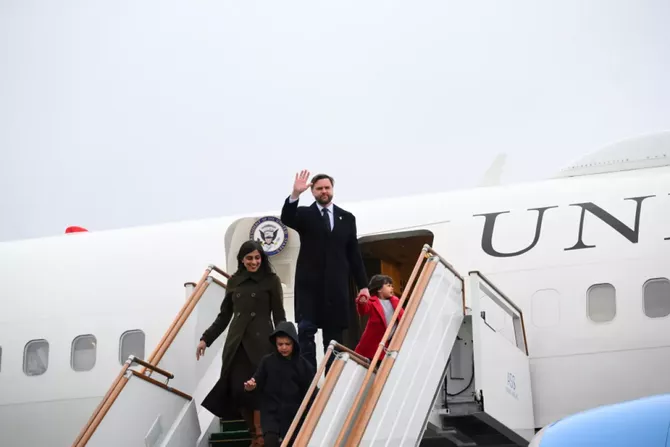
photo: getty images
Washington’s Central Asia agenda and its partnership with Azerbaijan may operate through separate diplomatic channels. In practical terms, however, they are parts of the same equation.
Central Asia has the resources and growing production capacity. Europe has the demand. The United States is seeking strategic alternatives and new commercial partnerships. Azerbaijan provides the bridge.
The real test will be whether governments can move faster than the geopolitical competition around them. Infrastructure must be upgraded, customs procedures harmonized and private investment encouraged. The Middle Corridor cannot survive on political declarations alone; it must become faster, cheaper and more reliable than its competitors.
But the broader direction is already visible. Washington is looking to Central Asia with renewed seriousness. Central Asia is looking westward. And Azerbaijan is uniquely positioned to turn that strategic convergence into an economic reality.
The Middle Corridor is no longer a secondary regional project. It is becoming an essential route in the contest to reshape Eurasia’s trade geography-and Azerbaijan is emerging as one of its decisive states.