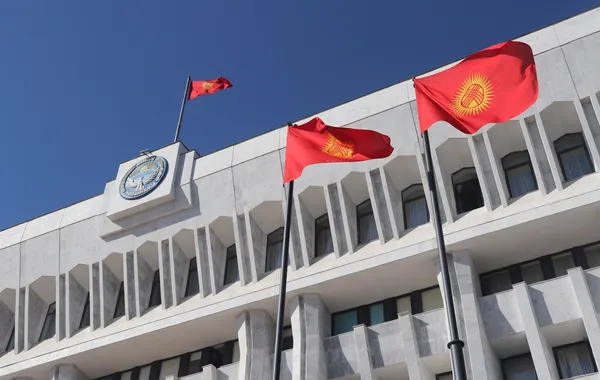
The Organization of Turkic States (OTS) has the potential to become an influential geopolitical actor. Achieving that goal, however, will require stronger economic ties, closer diplomatic coordination and respect for the sovereignty of every member state.
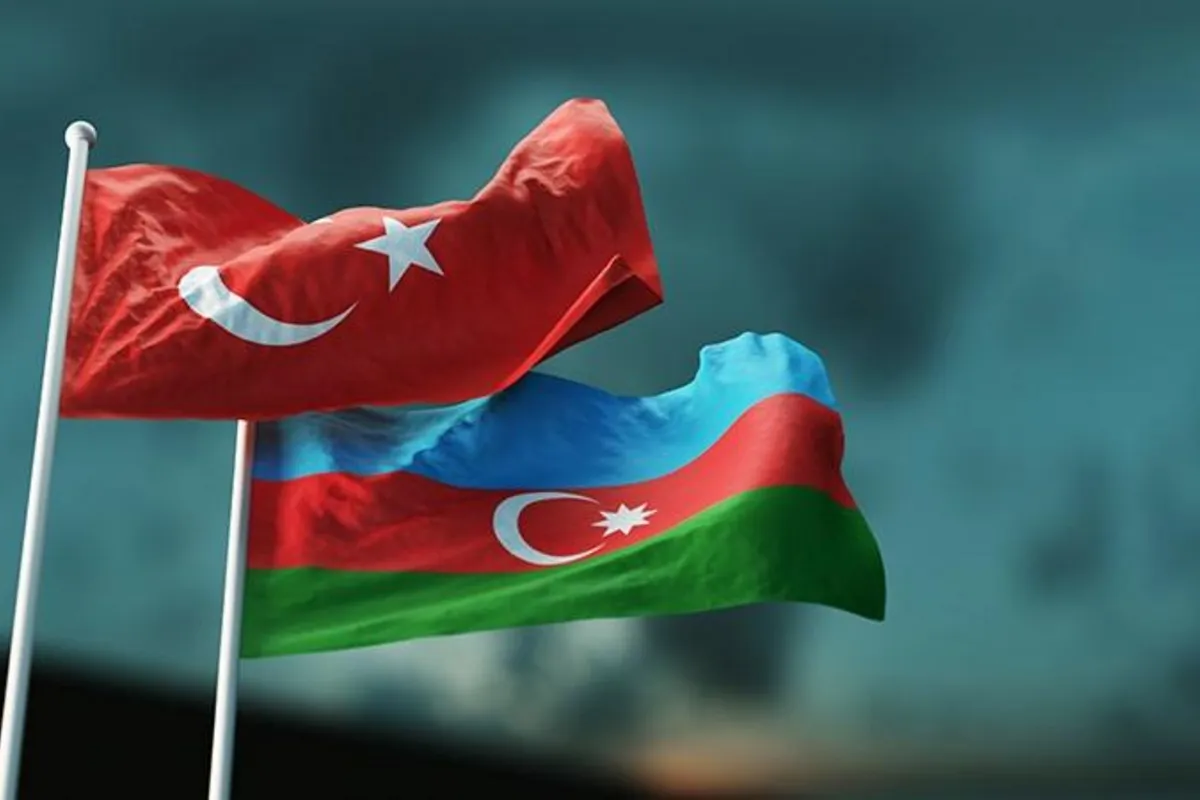
Türkiye and Azerbaijan can play complementary roles in this process. Ankara’s diplomatic reach, defence industry and economic infrastructure, combined with Baku’s strategic position as a link between Central Asia and Türkiye, provide a solid foundation for deeper cooperation across the Turkic world.
The organisation’s long-term objective should be to develop the ability to make independent decisions and defend shared interests across Eurasia. This does not mean creating a bloc directed against other powers. Rather, it means building an effective platform through which Turkic states can advance their common priorities while maintaining constructive relations with the wider international community.
photo: getty images
Türkiye’s Geopolitical Challenges
Türkiye’s most significant challenge in the coming period will be to protect its national security while preserving room for diplomatic manoeuvre amid interconnected regional crises.
The Middle East remains a central concern. Developments in Syria and Iraq, tensions involving Iran and Israel, and the activities of the PKK and affiliated armed groups all have direct implications for Türkiye’s security. Border protection, irregular migration and Syria’s territorial integrity will therefore remain among Ankara’s priorities.
The Russia-Ukraine war and security in the Black Sea present another challenge. As a NATO member that also maintains extensive relations with Russia, Türkiye must balance deterrence with diplomacy. Preserving the framework established by the Montreux Convention, protecting maritime trade routes and ensuring energy security are essential to regional stability.
The South Caucasus is also becoming an increasingly important arena of geopolitical competition. Azerbaijan’s restoration of sovereignty over Karabakh has changed the regional balance, shifting attention towards the security arrangements and transport connections needed to establish lasting peace.
At the same time, economic and technological independence has become an essential part of national security. Energy supplies, defence technology, critical minerals, artificial intelligence, access to financing and the ability to manage trade corridors are now all factors shaping a country’s geopolitical influence.
From Cultural Ties to Strategic Cooperation
The development of the Turkic world is one of the most consequential opportunities facing Türkiye.
Cooperation among Turkic states must extend beyond historical and cultural ties into trade, energy, transport, defence and technology. The OTS summit held in Ankara on October 30, 2026, reflected this shift, with greater attention given to practical projects and the strategic importance of the Middle Corridor.
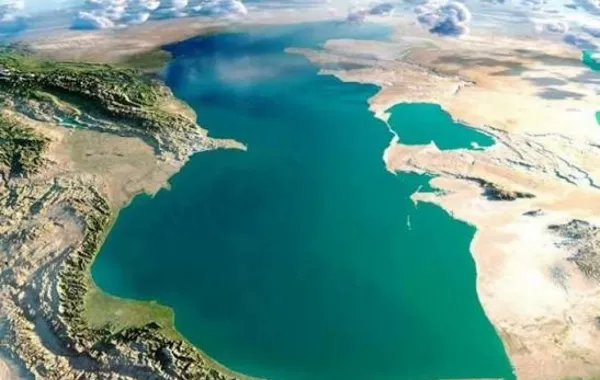
The route, connecting Central Asia with Europe through the Caspian Sea, Azerbaijan, Georgia and Türkiye, could strengthen economic links across the region and expand its role in international trade.
Defence industry cooperation, security consultations and technology are also assuming a more prominent place on the organisation’s agenda. Progress, however, will require careful management of Russia’s historical influence, China’s economic weight and the different foreign policy priorities of the Turkic states.
Stronger economic interdependence should be accompanied by more regular consultations on regional conflicts, energy security, transport and counterterrorism. At the same time, all participating states must be treated as equal partners.
The strength of the Turkic world will come from institutional cooperation based on shared interests, not dependence on a single centre.
The Türkiye-Azerbaijan Alliance
President Recep Tayyip Erdoğan’s November 8 visit to Shusha was an important reaffirmation of the strategic alliance between Türkiye and Azerbaijan.
The visit followed media reports of differences between the two countries and attention surrounding President Ilham Aliyev’s absence from the OTS summit in Ankara, where Azerbaijan was represented by its foreign minister.
The messages delivered in Shusha indicated that the two leaders were determined to prevent any differences from undermining their broader partnership. The meeting also provided an opportunity to reinforce political trust publicly.
The alliance rests on long-term interests. The 2021 Shusha Declaration and cooperation in defence, energy and transport demonstrate the depth of the relationship. Together, these ties give Ankara and Baku a significant role in shaping the future of the South Caucasus.
The next stage should be to build on political and military solidarity by expanding the diplomatic and economic foundations of the partnership.
Armenia and Regional Normalisation
The question of Türkiye’s relations with Armenia must be considered at two levels: legal independence and strategic reality.
As a sovereign state, Türkiye can determine its own relations with Yerevan. Politically, however, it would be unrealistic for Ankara to treat normalisation with Armenia as entirely separate from its alliance with Azerbaijan.
At the same time, these two objectives should not be viewed as mutually exclusive. Türkiye can maintain solidarity with Azerbaijan while exploring opportunities to improve relations with Armenia.
If managed carefully, normalisation could support regional security and economic development. Opening border crossings, restoring railway connections and expanding trade could increase interdependence and raise the costs of renewed conflict.
Such a process should be based on sovereignty, mutual recognition and regional cooperation.
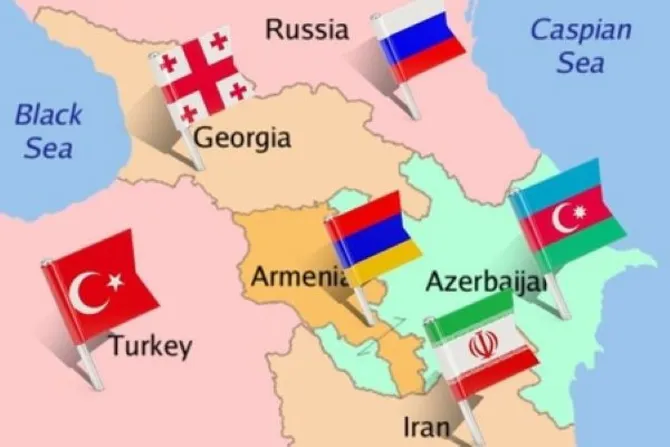
photo: getty images
A Security Framework for the South Caucasus
Türkiye should promote a security framework for the South Caucasus that moves beyond a focus on conflict and places greater emphasis on dialogue, economic cooperation and interdependence.
The proposed 3+3 regional cooperation format, involving the three South Caucasus countries-Azerbaijan, Armenia and Georgia-alongside Türkiye, Russia and Iran, offers a potential platform for dialogue. However, Georgia’s difficult relations with Russia and differences among other participants make an inclusive and effective framework challenging to establish.
For Ankara, the immediate priority should be to maintain dialogue through different channels and prevent regional crises from escalating into armed conflict.
Transport routes are central to this vision. Projects connecting mainland Azerbaijan with Nakhchivan through Armenia, alongside the Baku-Tbilisi-Ceyhan oil pipeline, the Southern Gas Corridor and the Baku-Tbilisi-Kars railway, have significant implications for the region’s economic and strategic future.
However, infrastructure will contribute to lasting stability only if it respects the sovereignty of regional states and supports shared development. A sustainable security architecture must also include border security, respect for international law, confidence-building measures and effective mechanisms for managing crises.
The emergence of a stronger Organization of Turkic States and a more stable South Caucasus are interconnected long-term goals. Türkiye and Azerbaijan can help drive both processes, but success will depend on equal partnership, institutional development and a genuine commitment to regional peace.