Iraq’s Struggle for Oil and Power: What Is at Stake for Türkiye?
In the final week of November 2026, Iraqi politics entered a period of profound change, testing the limits of the federal power structure established after 2003. A series of directives issued by Prime Minister Ali al-Zaidi’s government, swiftly reinforced by landmark rulings from Iraq’s Federal Supreme Court, has sparked far more than an administrative dispute. Together, the measures amount to a sweeping drive toward centralization-one that is reshaping regional energy corridors, challenging semi-autonomous enclaves and placing Iraq’s constituent communities at a historic crossroads.
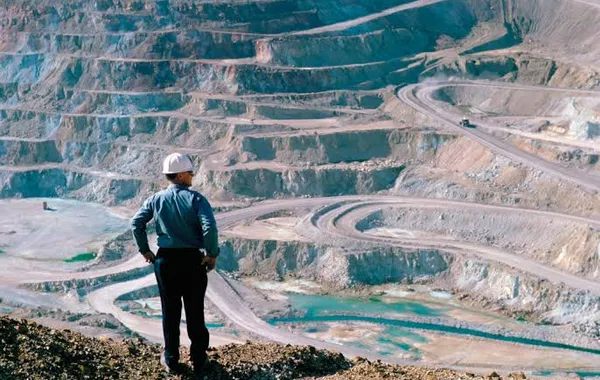
Acting on intelligence reports of widespread oil smuggling, Zaidi ordered the federal government to take control of all border crossings operated by the Kurdistan Regional Government (KRG), as well as oil fields in the disputed governorates of Kirkuk, Nineveh, Diyala and Saladin. Baghdad simultaneously banned independent KRG oil exports and dismissed senior security and energy officials in Kirkuk. Just 24 hours later, the Federal Supreme Court reinforced Baghdad’s legal position, ruling that international borders and underground resources fall exclusively under federal jurisdiction. Crucially, it also reaffirmed that the KRG’s administrative boundaries are confined to the de facto line of March 19, 2003.
For Erbil, the political and economic stakes are existential. After the devastating revenue losses caused by the closure of the Iraq-Türkiye pipeline from 2023 to 2025, customs receipts from border crossings and oil production in disputed areas have served as vital lifelines for the KRG budget. Baghdad’s offensive has unexpectedly brought rival Kurdish factions-the Kurdistan Democratic Party (KDP) and the Patriotic Union of Kurdistan (PUK)-together around a shared “constitutional red line,” while KRG Prime Minister Masrour Barzani has denounced the decrees as unconstitutional.
Yet viewing the crisis solely through the prism of Baghdad’s relations with Erbil risks obscuring the broader strategic picture. Just days before moving north, Iraqi security forces entered Jurf al-Sakhar, a strategic stronghold south of Baghdad that had been held de facto by the Iran-backed Kataib Hezbollah militia since 2014. Invoking the same justification-the fight against illicit oil smuggling-Baghdad secured a bloodless deployment following quiet negotiations involving Tehran. By curbing militia autonomy in the south first, Zaidi responded to mounting U.S. pressure over illicit financing networks while cultivating the image of an impartial statesman committed to the rule of law ahead of his confrontation with Erbil.
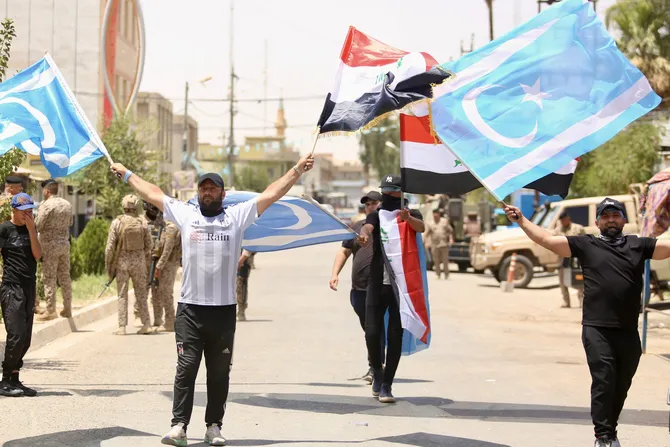
photo: Daily Sabah
At the heart of this geopolitical triangle is a critical but frequently overlooked factor: Iraq’s Turkmens. The areas affected by Baghdad’s decrees-including Kirkuk, Tel Afar in Nineveh and Tuz Khurmatu in Saladin-form the core of the Turkmeneli belt. Systematically marginalized under the ethno-sectarian quota system known as Muhasasa that emerged after 2003, Iraqi Turkmens see the dismantling of local monopolies over Kirkuk’s oil and security institutions as a long-overdue step toward constitutional normalcy.
Turkmen representatives have, however, issued a clear warning ahead of the December 1 National Dialogue meeting: the future of Kirkuk and the disputed territories cannot be decided through bilateral deals between Baghdad and Erbil alone. Any lasting settlement, they argue, requires the recognition of Turkmens as Iraq’s third constituent component and their inclusion at the negotiating table.
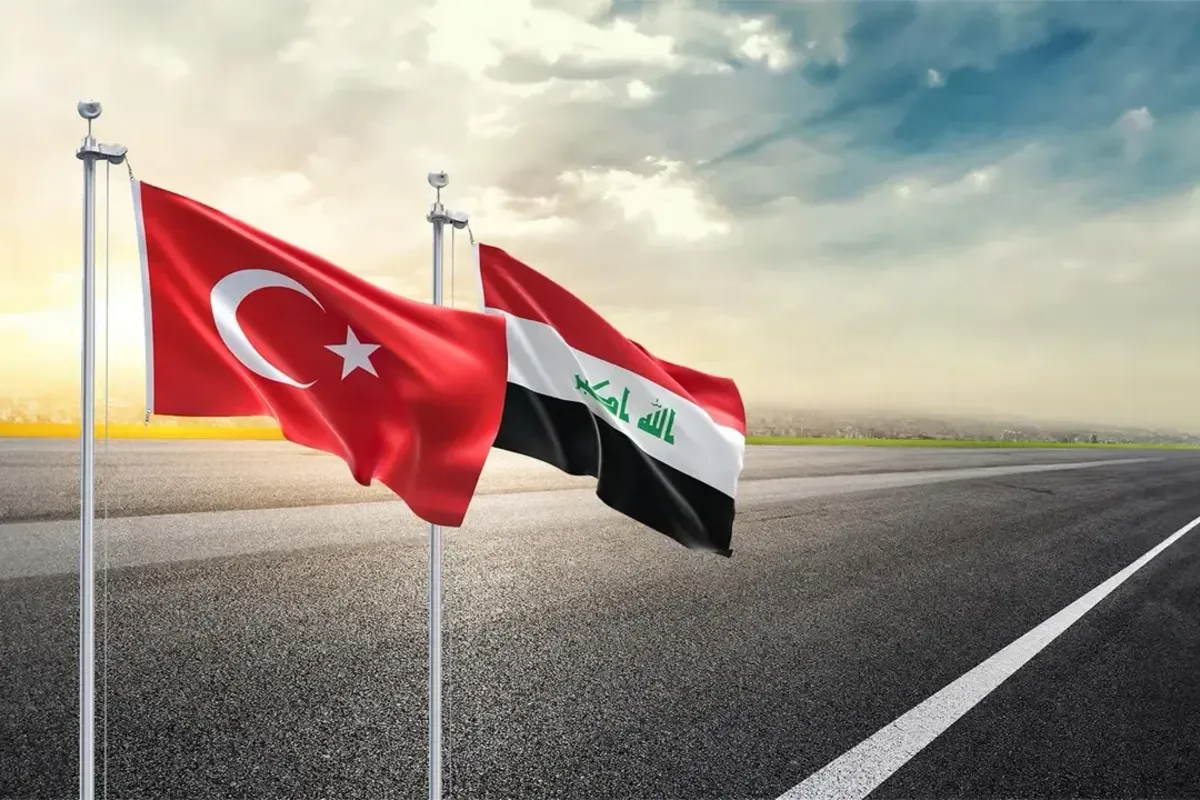
The wave of centralization also has significant implications for neighboring Türkiye. In recent years, Ankara has increasingly prioritized engagement with a single, strong central authority in Baghdad. Earlier in November, a Joint Security Memorandum between Türkiye and Iraq reaffirmed Baghdad’s commitment to ending the PKK presence in Sinjar, alongside the gradual handover of Türkiye’s Bashiqa military base.
For Ankara, a unified Iraqi customs and border regime aligns with the security and trade integration goals of the ambitious Development Road Project, which aims to connect the Persian Gulf to Europe via Türkiye. At the same time, Ankara maintains deep commercial ties with Erbil and relies on uninterrupted trade through the Ibrahim Khalil-Habur border crossing, as well as steady crude flows through the Kirkuk-Ceyhan pipeline. Türkiye will therefore support Iraq’s territorial integrity while encouraging a peaceful consensus that safeguards both Erbil’s constitutional rights and the security and status of the Turkmens.
Ultimately, Iraq’s late-November upheaval is far more than an anti-smuggling operation. It is a structural struggle over state sovereignty and control of resources. As Iraq’s top leaders prepare to convene for the National Dialogue on December 1, the path ahead is clear. If Baghdad uses its newfound leverage to forge an inclusive constitutional settlement involving Baghdad, Erbil and the Turkmens, Iraq could turn a decisive corner toward stability. If it does not, the country risks sliding into another prolonged cycle of political and economic deadlock.