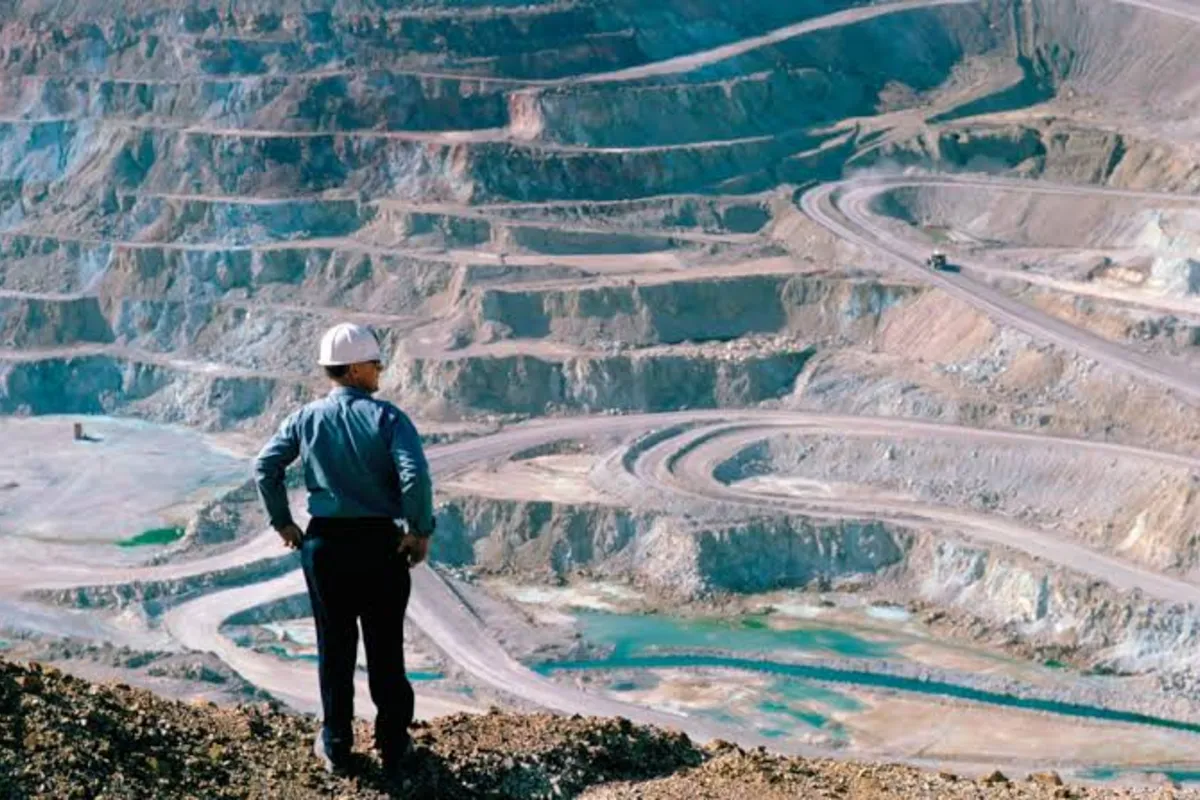
Kazakhstan has the copper resources to strengthen its place in global industry, but turning that potential into economic value will require investment in processing, skilled workers and competitive transport routes.
Copper is becoming increasingly important to the global economy. It is essential to advanced manufacturing and high-tech equipment, and demand for the metal has attracted the attention of China, the United States, Arab countries and many others.
Kazakhstan, with its substantial copper reserves, is well placed to benefit. Yet the central question is whether it can move beyond supplying raw materials and develop the capacity to produce higher-value goods at home.
This issue has been discussed since Kazakhstan gained independence. For decades, we have spoken about building new industries and reducing dependence on raw-material exports. Despite these ambitions, progress in deep processing has remained limited.
There are plans to establish two plants by 2030, but for now these remain announcements. After so many years of discussion, it is reasonable to ask why progress has been so slow and whether certain interests are holding back the development of domestic processing.
Political will appears to exist. What Kazakhstan needs now is to turn that will into concrete projects.
The skills challenge
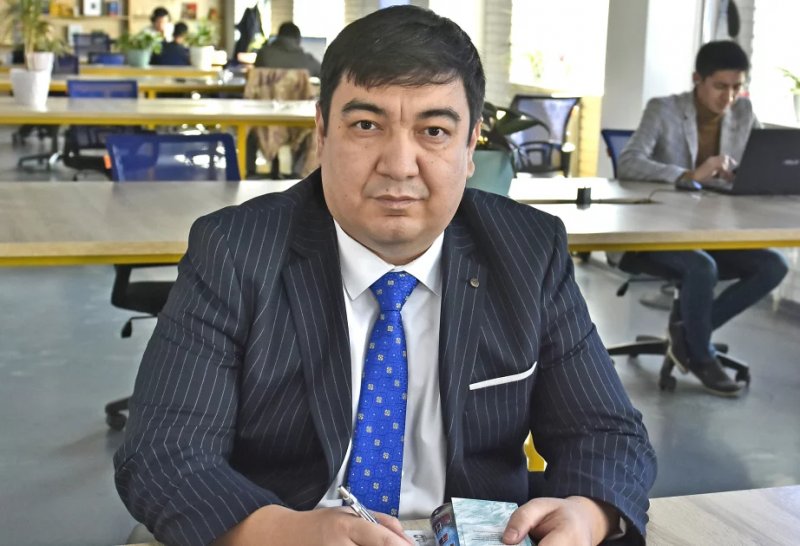
Investment and technology will be essential, but so will people. One of the main obstacles facing Kazakhstan’s industrial development is a shortage of qualified personnel.
This is not a problem unique to our country. Even Germany, which has a long engineering tradition, faces shortages of skilled workers. At the same time, countries such as Bangladesh have become sources of engineering talent.
Kazakhstan has begun to expand vocational education, and there are encouraging examples of cooperation between industry and educational institutions. A technical college is being established with the support of Kazakhmys to train specialists for the company’s operations.
Such initiatives can help, but their scale and pace must match the country’s industrial ambitions. Young people need a reason to see technical work as a promising career, with opportunities for training, professional development and decent pay.
Without a new generation of qualified specialists, even well-funded processing plants will struggle to reach their full potential.
photo: getty images
Finding competitive markets
Kazakhstan has opportunities to export higher-value copper products, but it must address a basic geographic challenge: the country has no direct access to the open sea. Transport costs can make finished goods less competitive by the time they reach foreign buyers.
Neighbouring Central Asian countries, Russia, Azerbaijan and potentially parts of Iran could offer markets. Türkiye is another promising destination.
China is a more difficult market. It has extensive manufacturing capacity and its own pool of skilled workers, while its interest in Kazakhstan has largely centred on raw materials. Competing with Chinese manufacturers will therefore be challenging.
Nevertheless, high-quality products could find buyers in Central Asia, Türkiye and potentially China’s border regions. Success will depend on production costs, transport tariffs and the number of borders goods must cross.
These questions matter as much as the construction of new plants. A product may be manufactured successfully in Kazakhstan, but if the cost of delivering it abroad is too high, it will struggle to compete.
Transport routes and environmental risks
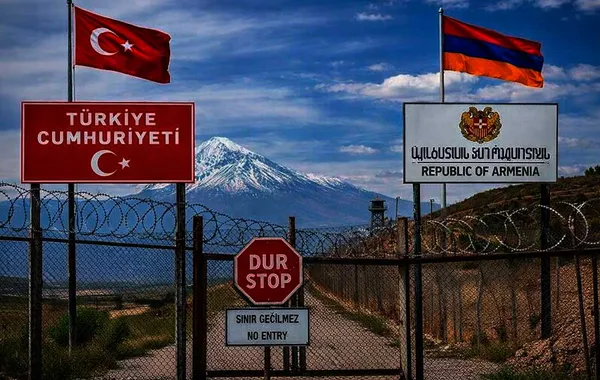
Improved regional connectivity could create new opportunities for Kazakh exporters. The proposed Zangezur corridor, if opened, could provide an additional route towards Türkiye and European markets alongside the existing connection through Azerbaijan and Georgia.
Azerbaijan has already carried out construction work on its side, while questions remain about progress on the Armenian side. The project should move forward while it can still respond effectively to the region’s transport needs.
The value of alternative routes may also change as regional conflicts evolve. Developments involving Iran and any eventual settlement between Russia and Ukraine could affect the relative importance of different corridors.
At present, the Middle Corridor is not a cheap option. Goods travelling west from Kazakhstan must cross the Caspian Sea and continue by rail through other countries. Ferry costs, railway tariffs, border procedures and other logistics expenses all influence the final price.
Environmental risks must also be considered. A substantial increase in shipping across the Caspian could place additional pressure on a sensitive environment. The possibility of spills or other accidents makes careful planning and safeguards essential.
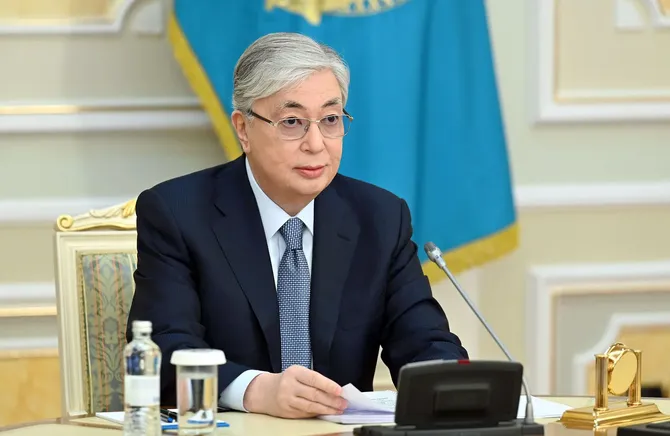
photo: getty images
Building a complete production chain
The economic case for deep processing is straightforward. Kazakhstan exports significant quantities of raw materials and then buys finished products that are worth several times more. By processing more of its resources at home, the country could retain a greater share of that value and create skilled jobs.
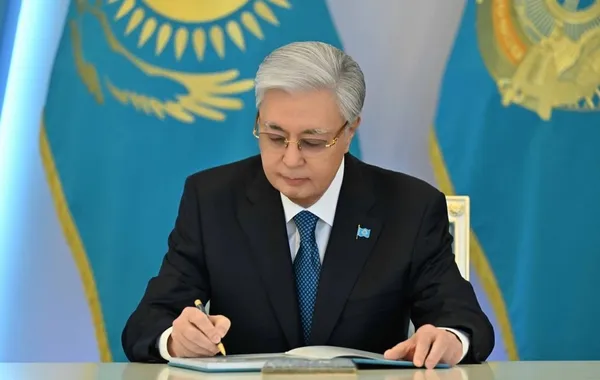
President Kassym-Jomart Tokayev has also emphasised the need to develop domestic processing capacity. Copper processing can bring additional benefits through the recovery of associated materials, including gold and silver, and the production of sulphuric acid.
Modern facilities in Balkhash could make an important contribution. A project there could create up to 1,500 jobs, although much remains at the announcement stage. I hope that Kazakhstan’s focus on construction in 2027 will help move such projects closer to implementation.
The longer-term goal should be to build a complete chain, from the mine to the finished cable. That would allow Kazakhstan to become more than a supplier of raw materials and take a stronger position in global manufacturing.
There is also potential for wider industrial cooperation. Kazakh copper, processing capabilities in Türkiye and Azerbaijan, and the transport links of the Middle Corridor could form the basis of partnerships across the region.
Kazakhstan already has the resources. Its next challenge is to build the skills, infrastructure and industrial capacity needed to turn them into lasting economic value.