Andrew Korybko on China: “It’s Unrealistic to Expect it to Agree to Any Limitations” on Nuclear Weapons
In an exclusive interview with The Caspian Post, Andrew Korybko, a Moscow-based American political analyst specializing in the global systemic transition to multipolarity answers questions on the Shenzhen format of Russia, China and the US, Russia’s balancing act in West Asia and the Caspian region, and how middle powers such as Azerbaijan fit into Russia’s view of a multipolar order.
- Putin and Xi reportedly met first to align positions before Trump arrived to set terms. Does the Shenzhen format point to a de facto “concert of powers,” or does each capital see the trilateral as a way to gain leverage over the other two? Where do Russian and Chinese interests visibly diverge, for example on nuclear arms control, given that Beijing has been reluctant to join a treaty it did not help write?
- The Shenzhen format is a platform for their leaders to discuss the most pressing issues of the present and share their views about the future. No agreements or even statements to the press followed their first such meeting, thus suggesting that it’s informal and that they intend to keep it that way if their talks become an annual event. Their interests aren’t closely aligned enough for them to all agree on anything of significance that they can’t already agree upon at the UNSC.
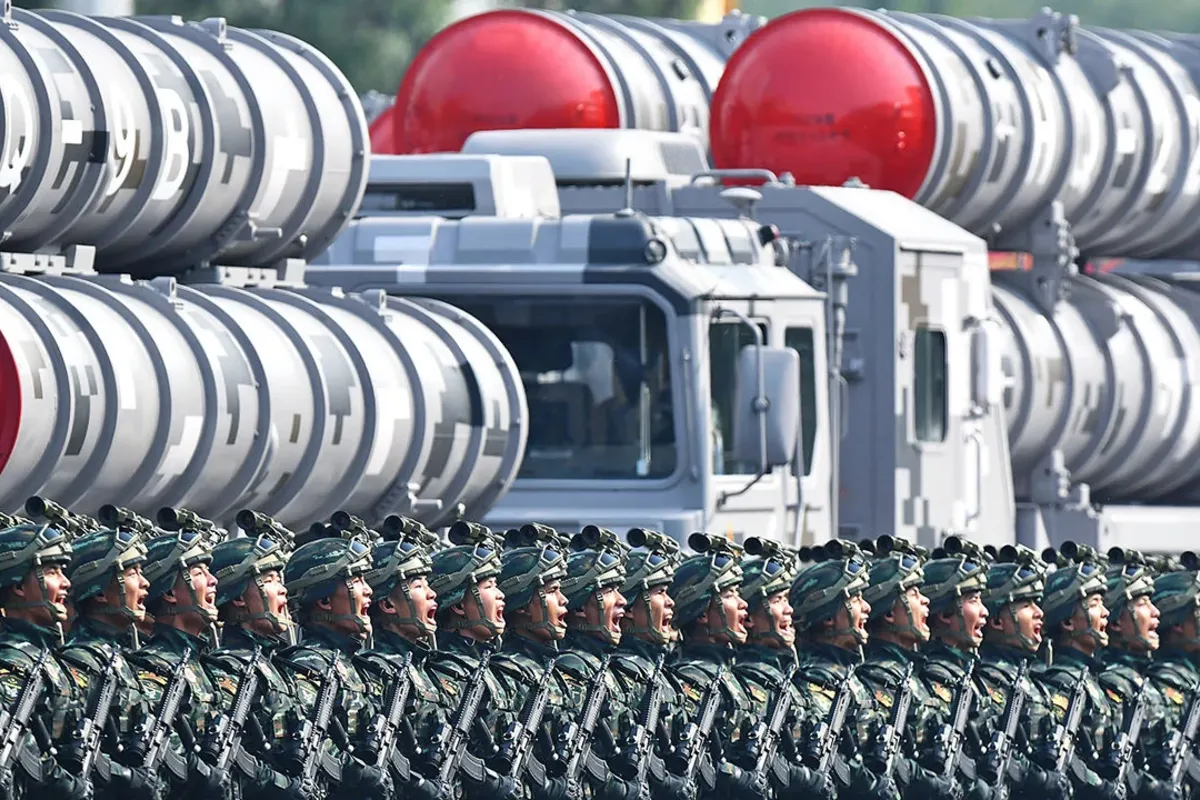
Trump made a big deal about his plans to discuss nuclear arms control with Putin and Xi, but China has much fewer nukes than the US and Russia, so it’s unrealistic to expect it to agree to any limitations. Beijing has already formally expressed this view on previous occasions so it’s not a surprise that nothing was agreed to about this during their talks. It’s unclear what else they talked about, probably also Ukraine and Iran, but most likely just to get a candid understanding of each other’s views on them.
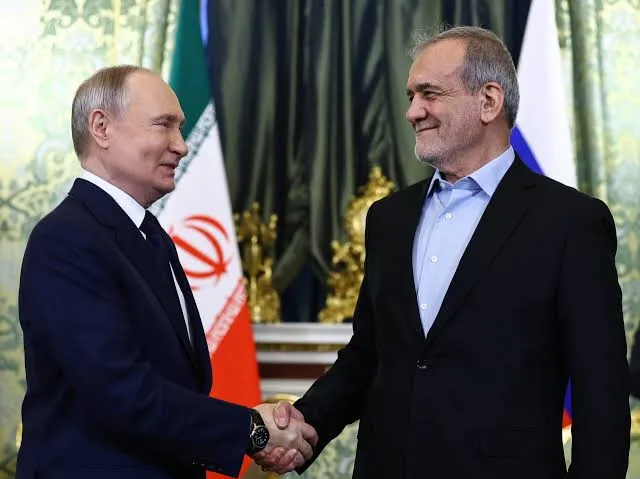
photo: Atlantic Council
- The Caspian directly links Russia and Iran, and some analysts warn it could be drawn into a wider conflict if hostilities with Iran resume. How does Moscow balance its partnership with Tehran against its interests in the Gulf, with Israel and, increasingly, with Washington? And how does Russia view the Caspian security framework under the 2018 Convention: do all littoral states, including Azerbaijan, share an interest in keeping the Caspian out of wider regional conflicts?
- Russia under Putin has always balanced between West Asia’s various power centers as proven by its pragmatic ties with Türkiye, Putin’s publicly expressed fondness for Israel with which relations remain cordial despite some disagreements, energy ties with the Gulf, and military ones with Iran. Despite fake news from the Mainstream Media and Alt-Media alike, the latter sometimes even including members and platforms within Russia’s “global media ecosystem”, Russia isn’t allied with Iran against anyone else.
Russia wants to keep the Caspian region out of the Ukrainian Conflict and Third Gulf War. It also doesn’t want NATO clandestinely expanding its influence there either by exploiting the “Trump Route for International Peace and Prosperity” as a Turkish-led military logistics corridor. That scenario, which Russia is powerless to prevent at present due to its lack of influence over Armenia through which that corridor will pass, should be taken seriously lest it result in a security dilemma that risks a regional war.
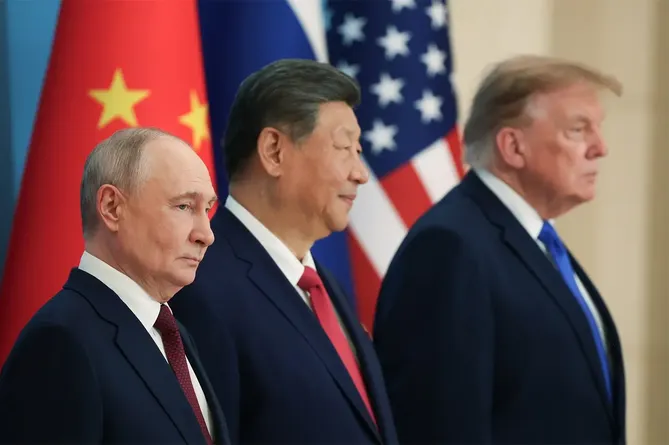
photo: UzDaily.uz
- In Russia’s multipolar vocabulary, where do middle powers that join no bloc and deal with all centers of power, such as Azerbaijan, fit in: as partners, swing states, or competitors? Can a trilateral format of three great powers coexist with a genuinely multipolar order, or does it risk becoming a new form of Great Power spheres of influence?
- Russia expects all countries to prioritize their national interests, which leads to predictable foreign policies that reduce uncertainty and the consequent risk of security dilemmas. India is designated as its “special and privileged” strategic partner, yet India practices what it calls multi-alignment, which eschews the bloc mentality that some states have. Russia is accordingly expected to respect all other countries’ own forms of multi-alignment as long as they don’t entail any security threats to its interests.
Multipolarity simply means a world order that isn’t led by one (unipolarity) or two (bipolarity) superpowers. In such a system, “mini-laterals” as they’ve been called are expected to arise, with two examples being the I2U2 between India, Israel, the UAE, and the US and the Shenzhen format of Russia, China, and the US. The complexity of the current order, especially due to the mutual interdependence between so many states, makes a return to traditional Great Power spheres of influence highly unlikely.