Armenia’s New Constitution Faces a Difficult Political Test
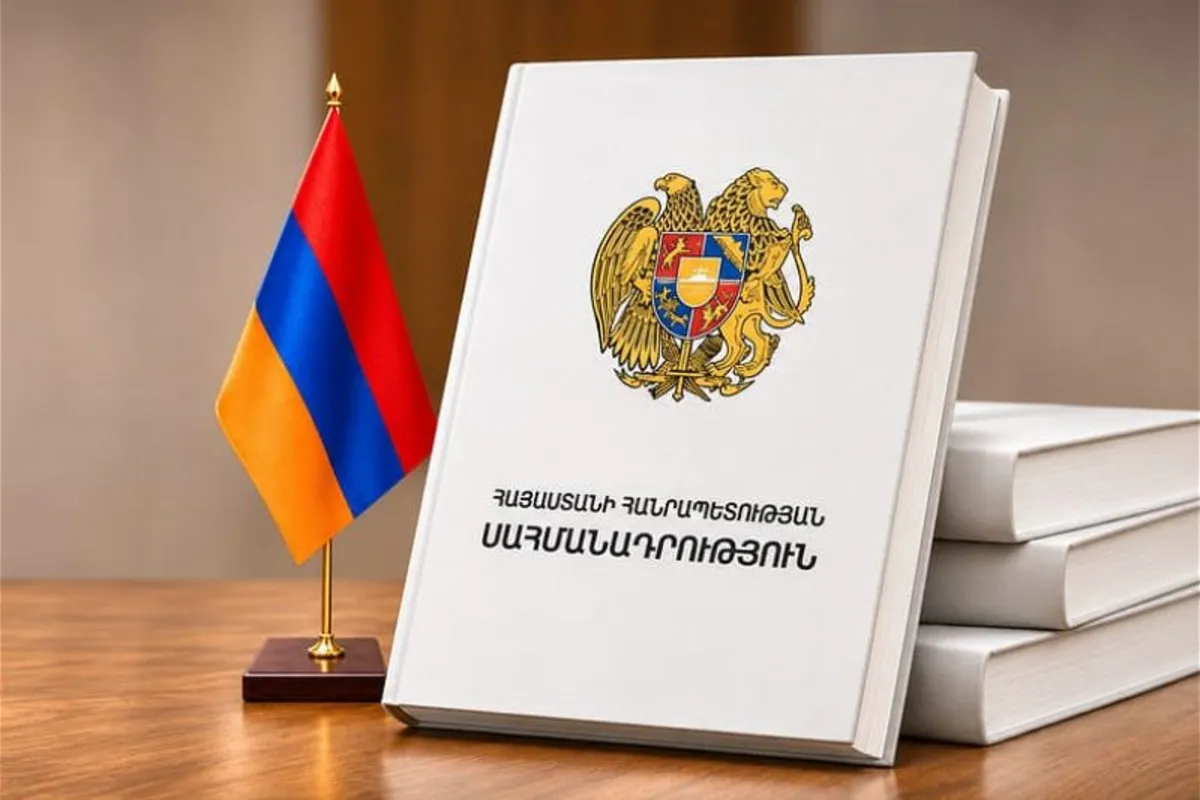
The Armenian government has published a draft of a new Constitution, but the document’s release is only the beginning of a difficult political process. Judging by the working methods of the current authorities and the developments leading up to its publication, a considerable amount of work still lies ahead.
The opposition had already subjected the draft to fierce criticism before its contents became public. Now that the text has been released, I expect its main priority to be discrediting the document. It will most likely seek to dominate the information agenda, using every available media platform to focus public attention on its objections.
Armenia is facing an intense domestic political struggle, and it would be a mistake to assume that adopting the new Constitution will be straightforward.
A Profound Shift in Public Perceptions
In my view, the revised Constitution effectively means that Armenia is abandoning Karabakh. For more than 30 years, much of Armenian society regarded Karabakh as Armenian, and this perception was rarely questioned, including within the Republic of Armenia itself.
Today, that position is changing. This is a fundamental shift with enormous symbolic and emotional significance for many people. It also has considerable potential to mobilise public sentiment, which means that the constitutional debate will extend far beyond legal language.
For Prime Minister Nikol Pashinyan’s government, publishing the draft is one thing; securing its adoption through a referendum is another. The authorities will have to navigate a long and challenging political path if they hope to achieve the latter.
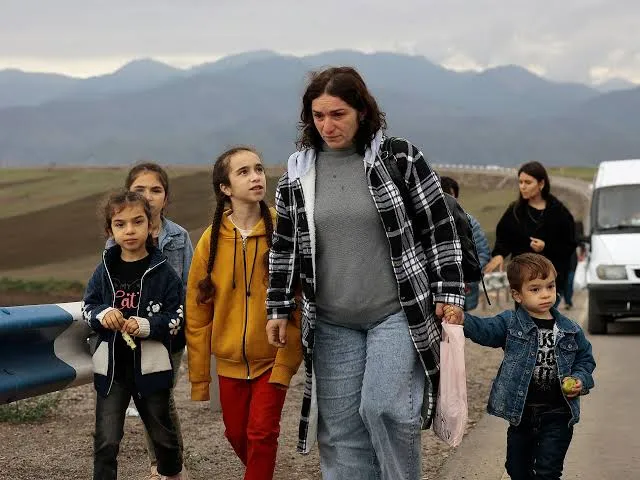
photo: Al Jazeera
Passports and the Question of Place Names
A separate controversy has emerged over the new biometric passports issued to Armenian citizens who left Karabakh, in which Azerbaijan is listed as their place of birth.
The Armenian government has explained the decision by pointing to national legislation, which requires places of birth to be recorded in accordance with internationally recognised geographical and administrative designations.
These documents are used to cross international borders and conduct international transactions. Discrepancies in the information they contain could create serious problems. In my view, the government handled this matter correctly.
The rule has been in place for several months, yet it is only now that some Karabakh activists have chosen to make it a subject of public controversy. They object to seeing “Azerbaijan” instead of the familiar designation “Karabakh” in their documents.
People are entitled to have emotional attachments to particular place names, and they may welcome or dislike how a location is described. But official documents must also follow the law and the logic of state administration.
A person’s political convictions or emotional response to current developments do not, in themselves, provide grounds for changing passport regulations. A passport is not a platform for expressing political preferences. Recording a place of birth in an official document is a matter of state authority, legislation and international standards.