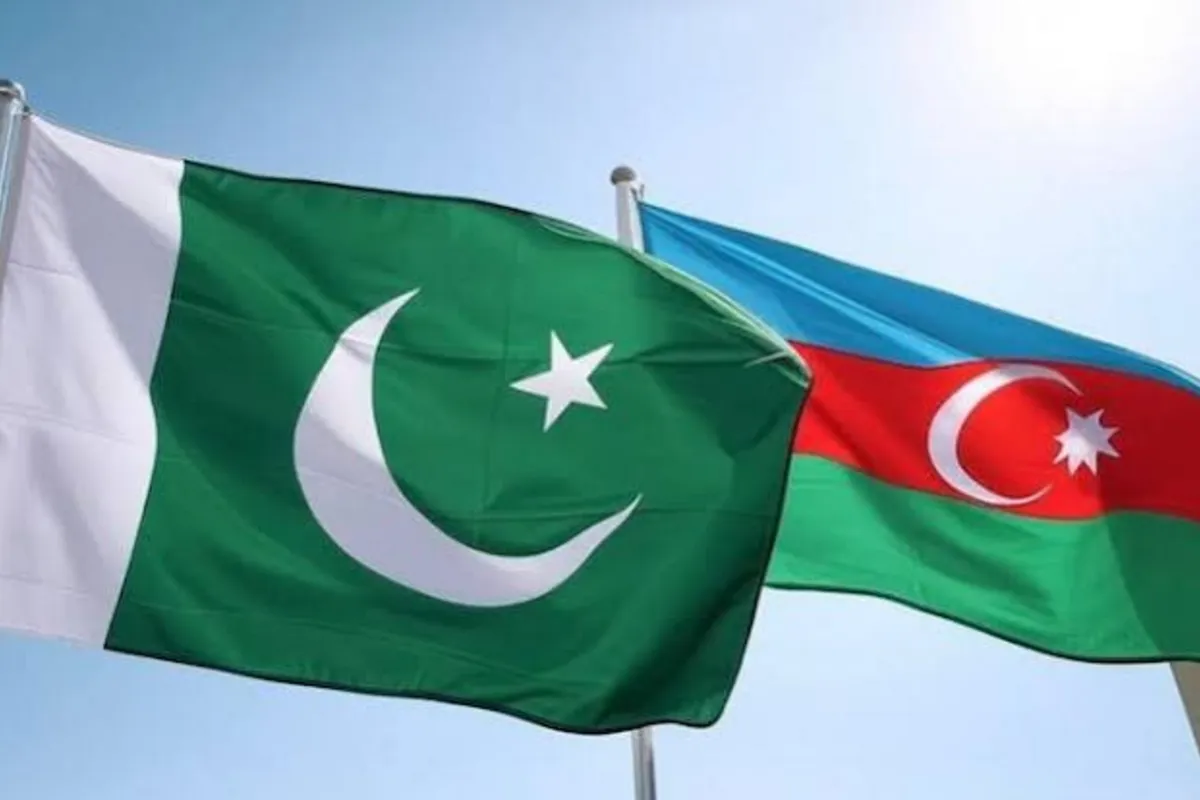
Pakistan and Azerbaijan have long described their relationship in terms of brotherhood, mutual trust and solidarity. Today, this partnership has the potential to develop into something even more substantial: a strategic alliance built on trade, energy, defence and regional connectivity.
For Pakistan, Azerbaijan is an indispensable partner in the South Caucasus. Its geographical position, energy resources and role in Eurasian transport make it an important partner for Islamabad’s efforts to strengthen its economic and diplomatic presence across the wider region.
The challenge now is to translate the strength of our political relationship into practical projects that benefit businesses and citizens in both countries.
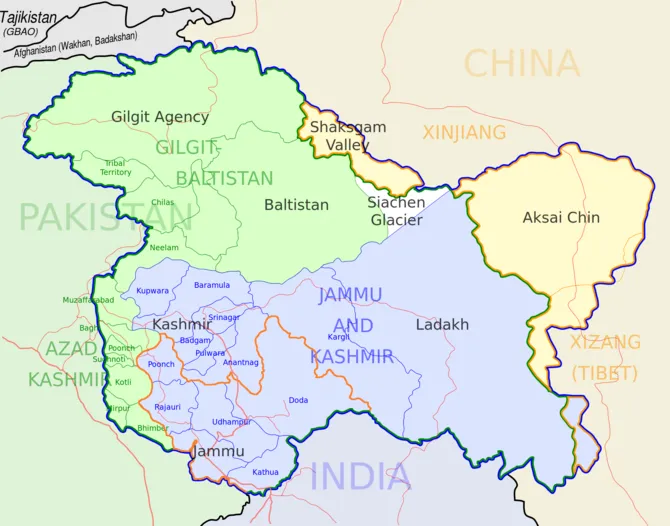
photo: getty images
From Political Solidarity to Strategic Partnership
Pakistan-Azerbaijan relations have evolved well beyond symbolic friendship. The two countries maintain close diplomatic engagement through high-level visits, bilateral consultations and meetings of the Joint Ministerial Commission. Cooperation also extends to education, culture, people-to-people contacts and defence.
Islamabad and Baku have consistently supported each other on issues of national importance, including Azerbaijan’s territorial integrity and Pakistan’s position on Kashmir. This mutual solidarity has created a strong foundation for deeper cooperation.
Defence ties are among the clearest examples of how the partnership has matured. The sale of Pakistani JF-17 fighter aircraft to Azerbaijan, joint military exercises and cooperation between the two countries’ armed forces demonstrate a growing strategic relationship.
The participation of Pakistani JF-17 Block III aircraft in the Indus Shield Alpha exercise in Azerbaijan further illustrated the commitment of both sides to strengthening operational cooperation.
The trilateral partnership between Azerbaijan, Pakistan and Türkiye, often described as the “Three Brothers” format, adds another dimension to this relationship. It provides a framework for closer coordination among three countries with strong political and strategic ties.
At the same time, economic cooperation must become a more substantial pillar of the partnership. The preferential trade and transit trade agreements signed by Azerbaijan and Pakistan provide an important basis for increasing commercial exchange and facilitating the movement of goods. Their full potential, however, will depend on implementation and the development of reliable transport routes.
Azerbaijan's Place in Pakistan's Regional Strategy
Azerbaijan’s importance to Pakistan extends beyond bilateral relations. As a strategically located country connecting the Caspian region with the South Caucasus and Europe, Azerbaijan can help Pakistan expand its economic reach and strengthen its links with Eurasian markets.
For Islamabad, the relationship also has a diplomatic and strategic dimension. Close ties with Baku support Pakistan’s presence in a region where India has been expanding its own diplomatic and defence engagement.
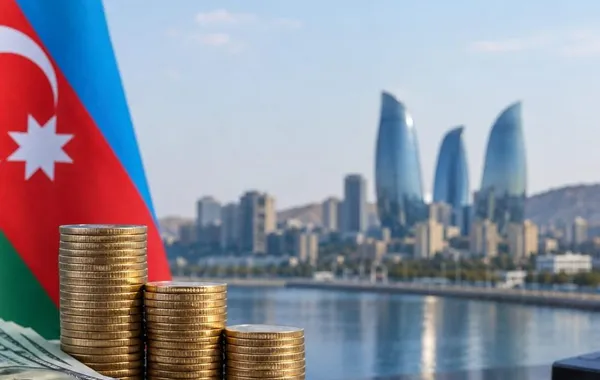
Economic cooperation offers equally significant opportunities. Azerbaijan has announced plans to invest approximately $2 billion in Pakistan, with potential projects covering areas such as energy and infrastructure. Turning these plans into viable investments could support Pakistan’s economic development and give the partnership a stronger commercial foundation.
Energy is a particularly promising field. Pakistan is an energy-importing country with growing needs, while Azerbaijan has extensive experience in oil and gas production, energy trade and infrastructure development. Closer cooperation could help Pakistan diversify its sources of supply and strengthen its energy security.
Azerbaijan’s role in the Middle Corridor also creates opportunities for Pakistan. By connecting with the wider network of roads, railways and ports associated with the Trans-Caspian route, Pakistan could gain better access to the South Caucasus and European markets.
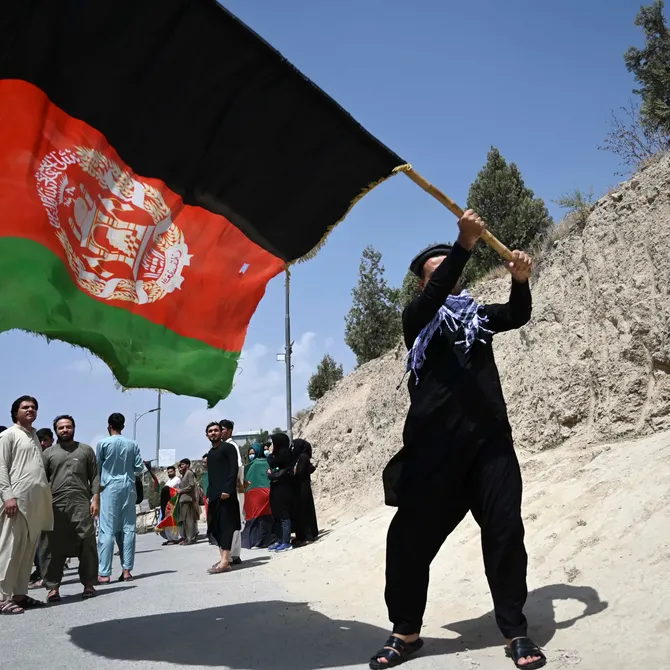
photo: getty images
Afghanistan Remains Central to Connectivity
Any discussion of stronger links between Pakistan and Central Asia must address the geographical importance of Afghanistan.
Historically, Afghanistan has served as a bridge between South and Central Asia. In terms of distance, time and economic viability, routes across Afghan territory offer major advantages for regional trade. Yet decades of conflict and instability have prevented this potential from being fully realised.
Several major regional projects depend on Afghanistan, including the Turkmenistan-Afghanistan-Pakistan-India gas pipeline, the proposed Trans-Afghan Railway, the CASA-1000 electricity transmission project and the Turkmenistan-Afghanistan-Pakistan power transmission initiative. Roads and transport corridors developed under the Economic Cooperation Organization and the Central Asia Regional Economic Cooperation programme also highlight Afghanistan’s importance.
Peace and stability in Afghanistan are therefore essential to building sustainable trade and transport links between Pakistan and Central Asia.
The withdrawal of foreign forces initially raised hopes that historical trade routes could be revived. However, security concerns, limited international recognition of the Taliban-led government and difficult relations between Islamabad and Kabul have continued to complicate regional cooperation.
Pakistan has suffered from terrorist attacks that Islamabad says are linked to groups operating from Afghan territory. In my view, the Afghan authorities need to do more to address these concerns. Border closures and disruptions to trade have also shown the economic cost of the current difficulties.
Despite these challenges, there are grounds for cautious optimism. Neither Pakistan nor Afghanistan can afford the long-term economic and security consequences of a prolonged deadlock. Both countries have an interest in finding a way forward that supports security while allowing trade and regional connectivity to develop.
A more stable Afghanistan could eventually provide Pakistan with efficient access to Central Asia and, through the Caspian region, to Azerbaijan and the Middle Corridor.
CPEC and the Potential for Wider Regional Links
The next phase of the China-Pakistan Economic Corridor could give this wider connectivity agenda additional momentum.
CPEC has been closely associated with Gwadar Port and the transport infrastructure needed to connect it with the rest of Pakistan and China. Its next phase places greater emphasis on special economic zones, industrial cooperation, agriculture, technology, skills development and business-to-business investment.
These priorities could create opportunities for Azerbaijan in energy, logistics, manufacturing, processing and other areas of value-added production. Azerbaijani businesses and investors could explore joint ventures that connect Pakistan’s industrial potential with markets in the South Caucasus and beyond.
There is also scope to link CPEC more closely with existing and planned transport networks across Central Asia. Azerbaijan’s participation in the Economic Cooperation Organization and the CAREC programme offers a basis for coordination on trade and infrastructure.
Over time, better connections between CPEC and the Middle Corridor could help establish broader links between South Asia, Central Asia, the Caucasus and Europe. Gwadar could also connect Eurasia’s east-west transport routes with the Arabian Sea and the Indian Ocean through north-south corridors.
Such links would not emerge automatically. They require investment, efficient border procedures, political cooperation and transport routes that businesses can use reliably.
Energy Cooperation as a Foundation for Growth
Azerbaijan’s experience in developing energy resources and building international partnerships offers valuable lessons for Pakistan.
Through institutions such as the State Oil Company of Azerbaijan, or SOCAR, Azerbaijan has developed an energy sector supported by pipelines, transit infrastructure and cooperation with international partners. This experience could be useful to Pakistan as it works to modernise its own energy infrastructure and improve the security of its supplies.
There is already a basis for cooperation between SOCAR and Pakistani institutions, including Pakistan State Oil and the Frontier Works Organization. One area of potential collaboration is the Machike-Thallian-Taru Jabba White Oil Pipeline, for which SOCAR has been invited as a potential investment partner.
Other opportunities include petroleum supplies, oil and gas exploration, refinery modernisation and infrastructure development. Such projects could help strengthen Pakistan’s energy sector while giving Azerbaijani companies a greater role in a large and important market.
Azerbaijan has established itself as an energy and transit bridge between the Caspian region and Europe. Pakistan, meanwhile, seeks to develop its role as a hub connecting South Asia with Central Asia and the Middle East. Cooperation in energy and infrastructure can support both countries’ ambitions.
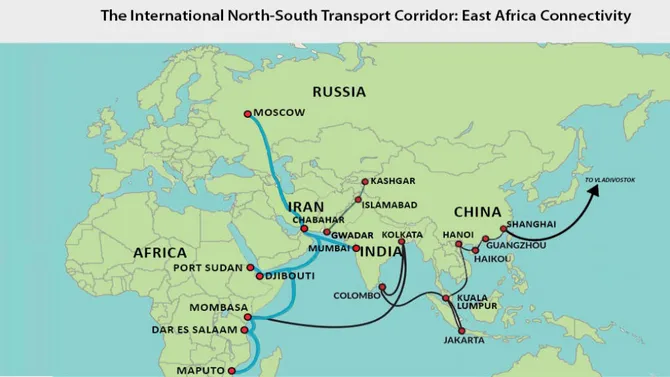
photo: getty images
Building More Than One Route
Pakistan and Azerbaijan do not share a border, so expanding trade requires cooperation with transit countries. Geography makes connectivity more complicated, but it also makes the development of multiple routes essential.
One option is a connection through Afghanistan and Central Asia to the Caspian Sea and Azerbaijan. Another is a route through Iran, linked to the International North-South Transport Corridor, or INSTC.
Pakistan has expressed interest in joining the INSTC. Better road and rail connections through Iran, supported by effective transit arrangements, could help Pakistani goods reach Azerbaijan and other Eurasian markets without relying on the route through Afghanistan.
The Middle Corridor and the INSTC should be viewed as complementary parts of a wider transport network. Together, they could give businesses more choices and reduce dependence on any single route.
Physical infrastructure, however, is only part of the solution. International road transport arrangements such as the TIR system, digital customs platforms, Pakistan’s Single Window and electronic cargo-management systems can all help reduce administrative delays.
Coordinated investment in railways, highways, warehouses and digital infrastructure would also allow Pakistan and Azerbaijan to develop higher-value logistics and trade services, rather than merely serving as transit points.
The political trust between Islamabad and Baku is already well established. The next task is to match that trust with practical economic cooperation. If both countries can advance investment, energy partnerships and diversified transport routes, their relationship can become an important link between South Asia, the South Caucasus and the wider Eurasian economy.