Albania’s progress towards European Union membership and its growing partnership with Azerbaijan reflect a wider opportunity to strengthen cooperation between the Western Balkans, the South Caucasus and Europe. Turning that opportunity into lasting progress, however, will require effective institutions, economic development and sustainable peace.
Albania is currently experiencing one of the most positive phases of its European integration process. After Montenegro, it is among the most advanced countries in the Western Balkans in terms of accession negotiations.
The country enjoys broad international support and has a realistic prospect of EU membership, provided that it meets the necessary criteria and successfully concludes the negotiations. Recent developments have been encouraging, but considerable work remains.
Albania’s principal challenge is no longer simply to adopt legislation aligned with European standards. The greater test is whether those laws and reforms are implemented effectively. A gap remains between formal commitments and the daily functioning of institutions.
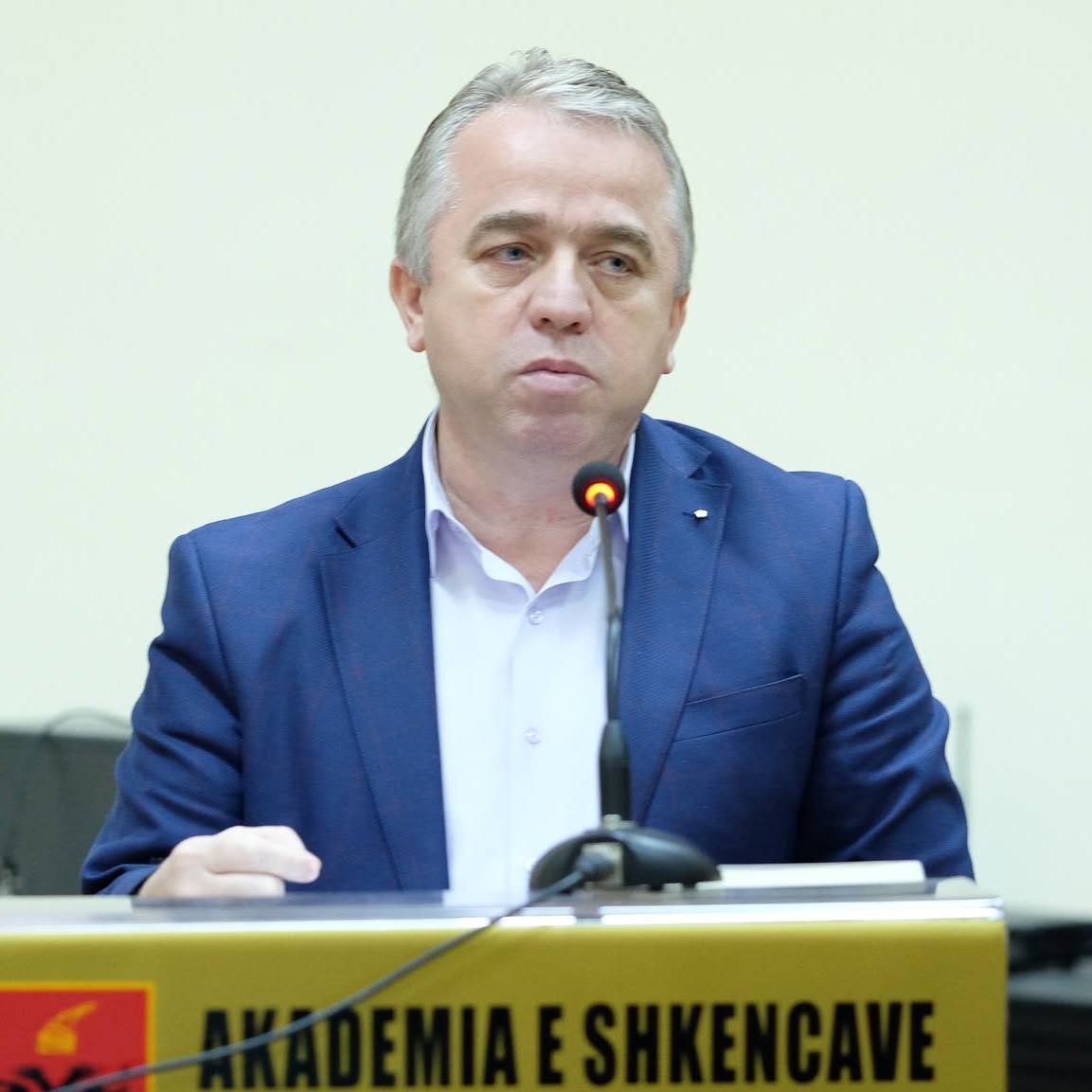
photo: EEAS
Strengthening the rule of law, ensuring an effective justice system, promoting economic development and improving social standards must remain national priorities. European integration should bring tangible improvements to democracy and to the lives of citizens.
Albania has important advantages. It has no open ethnic, religious or territorial conflicts, and its European orientation enjoys broad political and public support. At this stage, the country needs a strong national consensus on priority reforms, stable institutions and a democracy that functions effectively. Progress in these areas would make the prospect of membership more concrete.
At the same time, the EU’s next enlargement may differ from previous rounds. Ideas such as gradual integration, post-accession monitoring and possible temporary limitations on certain institutional rights are being discussed. These are not established conditions for Albania, but they should be considered when assessing how future enlargement might take shape.
The wider Western Balkans has also seen positive developments. Most countries in the region have expressed a commitment to dialogue, regional cooperation and European integration. Yet the region remains politically fragile and exposed to geopolitical competition.
The EU bears part of the responsibility for this situation. Following the Thessaloniki Summit in 2003, the promise of membership was not translated into a sufficiently concrete and credible agenda. Long delays and the absence of a consistent strategy generated disappointment and created opportunities for other international actors to expand their influence.
Not all of these actors pursue interests compatible with the stability and European integration of the Western Balkans. Russia, for example, has used its influence in the region as part of its broader rivalry with the West.
The war in Ukraine and changes in the international security environment have contributed to a more active EU approach to enlargement. This is a positive development, but more is needed.
Stability cannot be secured through geopolitical balances and security arrangements alone. It also depends on functioning democracies, credible institutions, economic development and a realistic future for citizens.
One of the region’s greatest challenges is to ensure that young people no longer see emigration as their only opportunity for a better life. They should be able to build their careers and futures in their own countries. European and American engagement should therefore be closely connected to investment, education, employment and democratic standards, alongside security cooperation.
Albania can play a constructive role in this process. Its consistent Euro-Atlantic orientation, the absence of territorial conflicts with its neighbours and broad public support for international cooperation give Tirana a basis for promoting dialogue and stronger regional ties.
For cooperation to have lasting value, however, it must produce concrete projects. Infrastructure, energy, technology, education and cultural exchanges can help connect the region and create opportunities for its citizens. The most meaningful measure of success is whether these initiatives improve living standards, create jobs and offer young people a reason to stay.
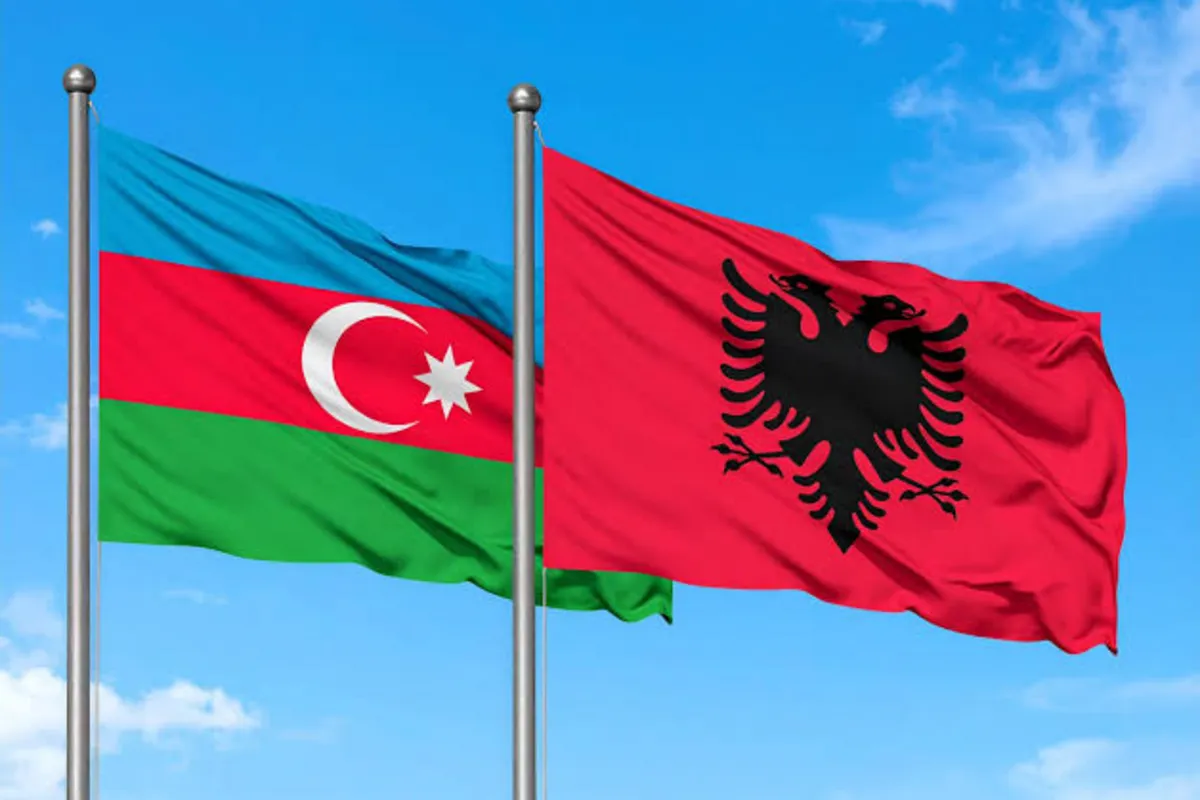
In this context, Azerbaijan is an increasingly important partner for Albania. Cooperation in the energy sector has already created a foundation for closer relations. The Southern Gas Corridor and the Trans Adriatic Pipeline have established a strategic connection between Azerbaijan and European energy markets.
Yet the potential of the partnership extends beyond energy. Investment, infrastructure, technology, tourism, education and cultural exchanges all offer opportunities for deeper cooperation.
Azerbaijan possesses significant economic and energy resources, while Albania’s geographical position offers opportunities to expand cooperation with the Western Balkans and European markets. The shared objective should be to turn good political relations into practical projects that deliver long-term benefits for both countries.
Energy remains central to this relationship. Albania has taken steps to diversify its energy sources, but it has been relatively slow to develop the infrastructure needed for wider use of natural gas by households and businesses.
The Southern Gas Corridor and the Trans Adriatic Pipeline represent a strategic opportunity to strengthen energy security and diversify supplies in Southeast Europe. Albania should seek to benefit from this opportunity as more than a transit country.
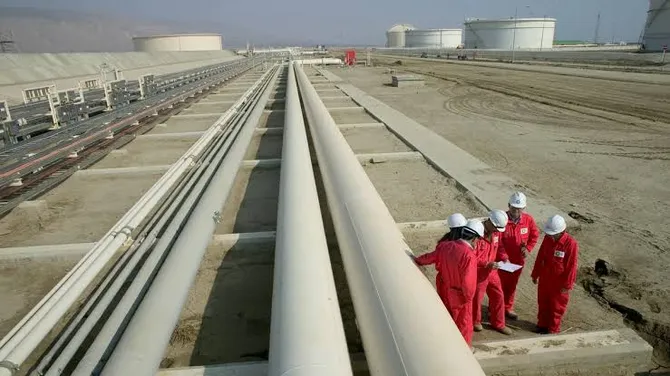
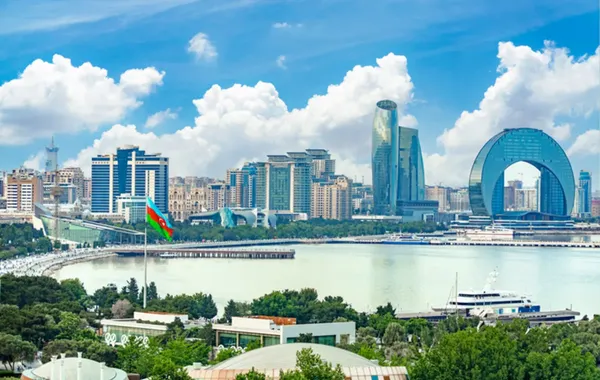
photo: getty images
That will require investment in gas infrastructure, distribution capacity and the conditions necessary for greater use of natural gas in the national economy. Cooperation with Azerbaijan can play an important role in making this possible.
The success of the partnership should be measured not only by the volume of gas passing through Albanian territory, but also by the benefits it brings to businesses, households and the country’s long-term energy security.
The relationship between regional stability and economic opportunity is equally relevant to the South Caucasus. Albania has a relatively limited role in the political developments of that region, but conflicts have consequences that extend beyond the countries directly involved. They influence international markets, geopolitical decisions and development prospects.
Dialogue and the peaceful settlement of disputes remain the most sustainable alternatives. Lasting cooperation must be based on respect for sovereignty, identities and the rights of citizens and communities.
The Western Balkans offers its own example of the costs of unresolved disputes. In my view, recognition of Kosovo’s independence by the five EU member states that have not yet done so, together with Serbia’s acceptance of the political and historical realities in the region, would create greater opportunities for stability, development and European integration.
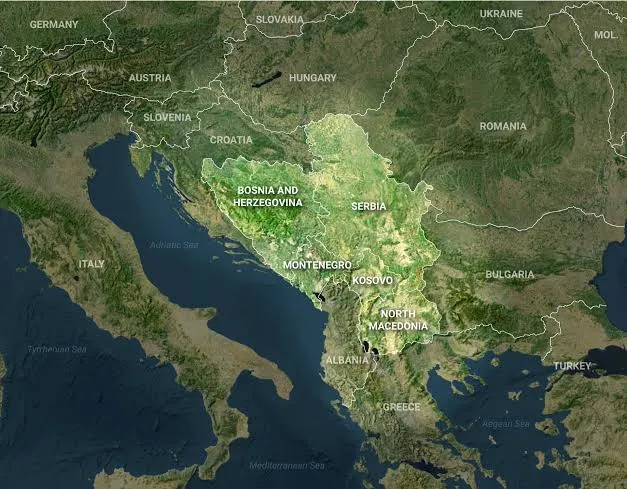
photo: getty images
Unresolved conflicts can sustain nationalist rhetoric, divert attention from economic and democratic priorities and create openings for outside interference. They also leave divisions to be inherited by future generations.
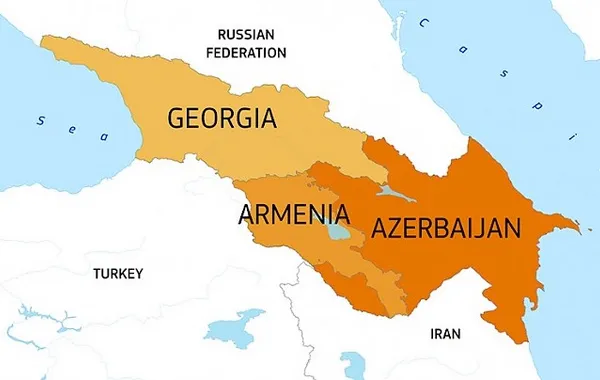
In this context, Azerbaijan has an opportunity to continue playing a constructive role in establishing lasting peace with Armenia. An agreement based on mutual respect and solutions acceptable to both sides could open new prospects for transport, trade, investment and connectivity between Asia and Europe.
The countries of the South Caucasus and Central Asia would also benefit from greater access to European markets. They possess significant economic and energy resources, while Europe can offer markets, technology, expertise, education and development opportunities.
In an era of intense global competition, countries need strategies for modernisation and prosperity. Peace makes such strategies possible: it creates the conditions in which societies can invest, cooperate and plan for the future.