Over the past several years, the geopolitical rhetoric underpinning information confrontation has changed radically and irreversibly. Today, states and societies face a challenge that goes far beyond the spread of fake news and propaganda. What is at stake is the formation of different understandings of reality itself.
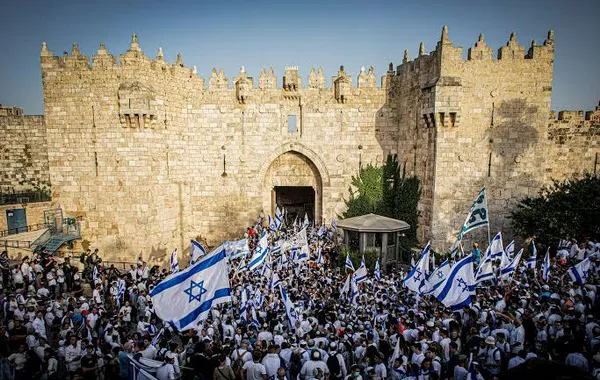
One of the clearest examples has been the global response to events surrounding Palestine following the terrorist attack on Israel on October 7, 2023. The debate is no longer confined to the question of who is right and who is wrong. We are witnessing the emergence of different versions of the world that exist simultaneously on the same planet. Vladimir Putin lives in his own reality, Donald Trump in his, while Ukrainians and Volodymyr Zelenskyy live in theirs.
Under these circumstances, any peace process involves more than discussions about the withdrawal of troops or heavy weapons. First and foremost, it requires finding a way to develop at least a partially shared understanding of what is happening. Information warfare has effectively replaced the political process. That is the defining change in the current model of international confrontation.
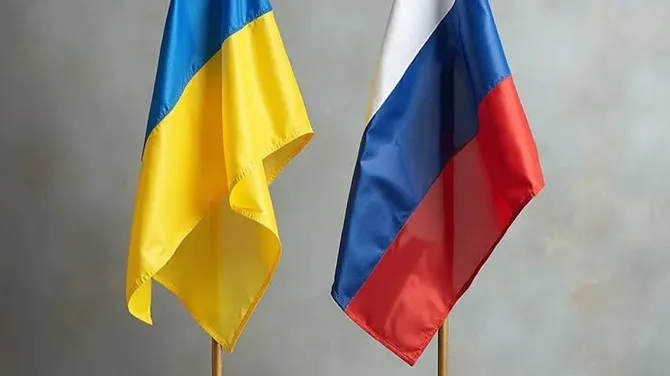
photo: getty images
Europe Faces a Choice
The information confrontation between Russia and Ukraine is part of a broader struggle over the future of European security and a new global balance of power. The statements and initiatives of leading geopolitical actors, including the United States, Russia, China and European countries, point in this direction.
However, the ambitions of those involved do not always reflect their actual capabilities.
Europe has yet to make a definitive decision to act as a single geopolitical player. European politicians have made their positions known, including Kaja Kallas, whom I consider a very courageous woman. Nevertheless, it remains difficult to regard Europe as a fully unified centre of power.
At the same time, to borrow Donald Trump’s expression, the Kremlin has “no cards” to play at this level. Russia is trying to sell Washington and Beijing a so-called “golden share” in influencing European politics, even though its actual leverage is much more limited. The Kremlin’s main advantage is the weakness and disunity of European capitals.
Nevertheless, the security of the continent cannot be discussed without taking Russia into account as a geopolitical factor. But building a new European security architecture based on mutually acceptable agreements under Vladimir Putin or his successors appears virtually impossible. In my view, Putin remains the main obstacle to that goal.
Donald Trump is demonstrating that European security is no longer a priority for him. Volodymyr Zelenskyy is primarily focused on preserving Ukrainian statehood. Europeans, meanwhile, are asking to be brought back to the negotiating table, which is hardly a strong position from which to negotiate.
In theory, the interests of all these actors could be brought closer together. However, Putin’s personal characteristics and his perception of the world around him, in my view, make such an agreement virtually impossible.

photo: getty images
Artificial Intelligence Is Changing the Rules
Artificial intelligence, deepfakes, synthetic videos and automated information networks are creating new opportunities to influence public opinion.
Changes are already underway, although I would not yet say that they have completely transformed the strategic nature of information confrontation. I believe we still have around 10-12 months to understand these developments and identify the necessary solutions.
The experiences of Ukraine and Poland could provide a valuable basis for analysis and help us understand the direction in which this field is evolving. But the issue goes far beyond the war between Ukraine and Russia. It concerns democratic elections and the future of liberal democracy itself.
If I can use artificial intelligence to distribute the information I want and influence how millions of people perceive reality, I no longer need to take control of the electoral commission responsible for counting the votes. If the commission announces results that do not suit me, I can try to provoke mass protests across the country.
The struggle for trust in information is therefore becoming a struggle for trust in democratic institutions.
National Identity and a Shared Sense of Purpose
Every state must do more than counter external information influence. It also needs to develop its own space of meaning and values. This concerns how a society sees itself, its past, present and future, and how it defines the relationship between “us” and “them”.
From the perspective of external actors, Ukraine is often treated as a kind of expendable resource. For example, SOCAR, whose work I greatly respect, could, as a commercial entity, continue selling fuel regardless of which government was in power in Ukraine, including under a hypothetical Russian or pro-Russian administration.
But the main question is different: how would the people living in that territory react? Would they accept such a situation, or would they resort to arson and attacks on filling stations because of the company’s cooperation with Russian occupation authorities?
This example shows that decisions cannot be assessed solely from an economic perspective. It also matters how society perceives them, what emotions they provoke and how they relate to people’s understanding of justice and national interests.
Who do we want to be? Who are we prepared to be? Who belongs to us, and who is an outsider? How do we judge actions taken during a conflict? The answers to these questions influence people’s behaviour and, ultimately, the course of history.
The South Caucasus and External Influence
Any country or nation that does not actively develop and promote its own vision of reality remains vulnerable to external information operations.
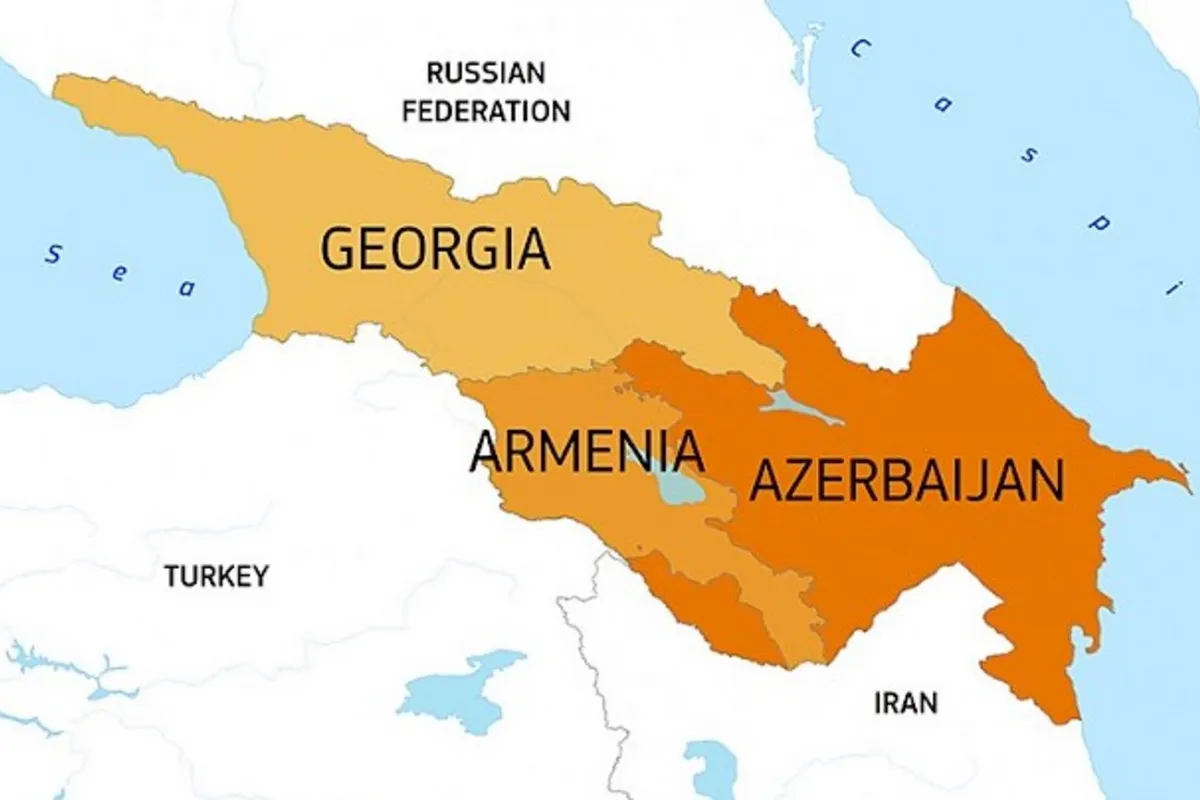
In my view, the South Caucasus does not yet exist as a unified entity in this sense. But the region has every reason and opportunity to develop and present its own understanding of events to the world, instead of accepting narratives imposed from outside - whether by Russia, Türkiye, Saudi Arabia, Qatar or other geopolitical actors.
The Caucasus is a unique, distinctive and complex region. At its heart are values that cannot be defeated: human dignity and the dignity of a warrior.
My task is to recognise and understand these deeply rooted sentiments and find common ground with our partners in the Caucasus on what dignity means and how we can put this principle into practice together.
Setting the Agenda
During my years of work in information policy, I have come to one important conclusion: if you focus exclusively on countering someone else’s operations in the information space and the realm of ideas, you are already acting under their influence.
This conclusion is easy to state but far more difficult to translate into government policy.
Russian information operations should not, in themselves, be Azerbaijan’s primary concern. The national identity of the country’s citizens should be at the centre of its attention.
People must clearly understand the goals pursued by Azerbaijan’s political leadership, why those goals serve the interests of citizens and how achieving them will help strengthen the dignity of every Azerbaijani.
This is the main lesson I can offer after 12 years of work in this field. A state’s focus on its own domestic priorities, national identity and the dignity of its citizens is the key to success in information confrontation.