Israel’s parliamentary election has exposed deep divisions within society and raised questions about the country’s political future. While Gadi Eisenkot faces the difficult task of forming a government, a change of leadership could create opportunities to improve relations with Western partners, Türkiye and Arab states.
At the same time, Israel’s security priorities and its strategic partnership with Azerbaijan are likely to remain largely unchanged.
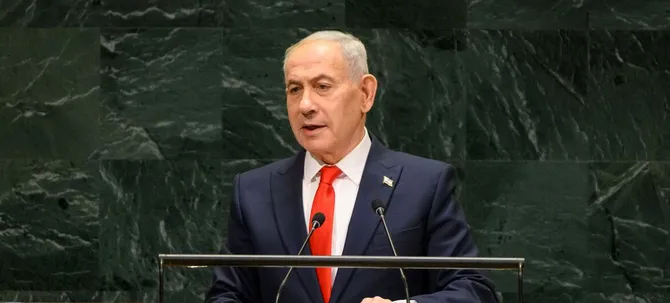
photo: getty images
A Divided Electorate
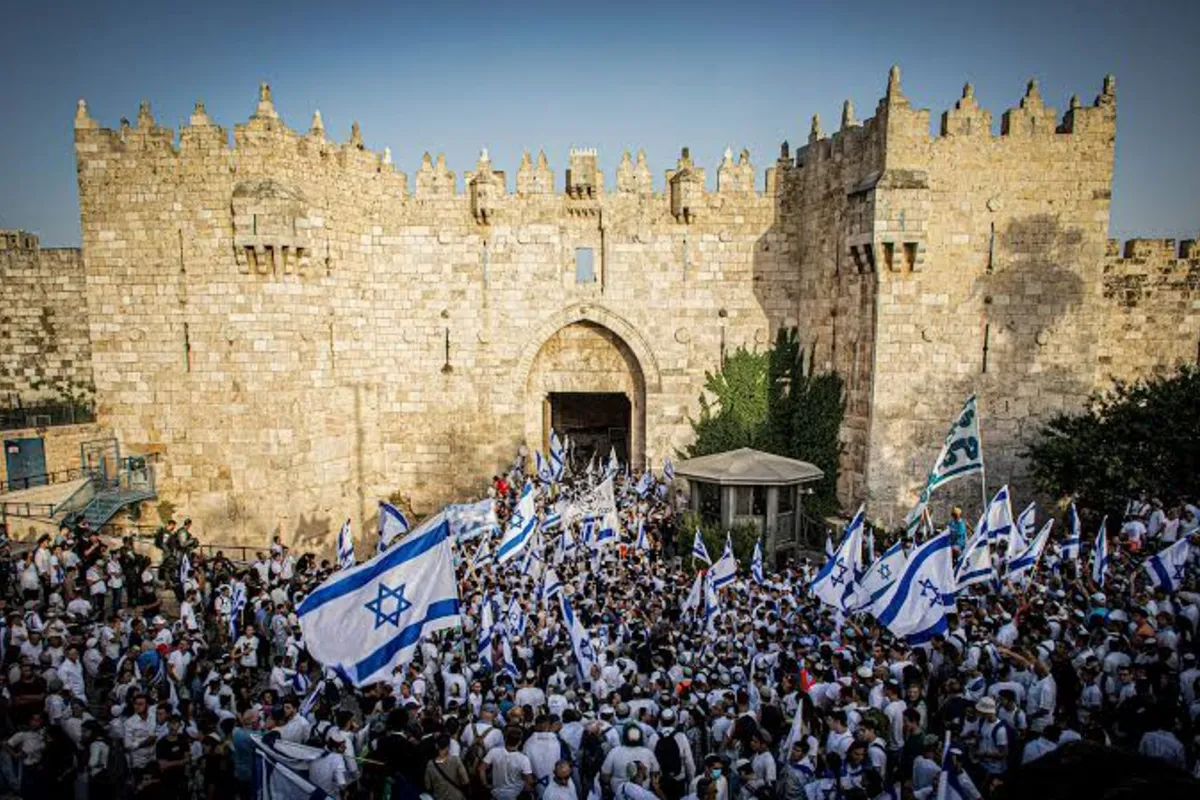
The main takeaway from the election is that Israeli society remains deeply divided. As in previous votes, support was split between the main political blocs.
The bloc supporting Benjamin Netanyahu, comprising Likud, Shas, United Torah Judaism, Religious Zionism and Otzma Yehudit, secured 53 seats in the 120-member Knesset.
The opposition Change Bloc won 48 seats. Its largest party, Yashar, led by former Israel Defense Forces Chief of Staff Gadi Eisenkot, secured 21 seats. Naftali Bennett’s BeYachad won 12 seats, the Democrats eight and Avigdor Lieberman’s Yisrael Beiteinu seven.
Arab parties secured another 19 seats, an unprecedented level of representation. This result was facilitated in part by rhetoric perceived as hostile to Arab citizens from some right-wing lawmakers, which encouraged greater participation among Arab voters.
The results also reflected growing frustration among secular Israelis with the political system. Many voters in this group supported the Change Bloc, driven partly by concerns over the allocation of public funds to religious communities and exemptions from military service.
The question of military service has become especially sensitive since 7 October and the outbreak of the war. With the Israeli military facing a shortage of personnel, many Israelis believe that an unequal burden falls on citizens who work, pay taxes and serve in the armed forces.
Eisenkot's Challenge
Whether Eisenkot can form a government remains an open question. He is a respected figure with extensive military and national security experience, but translating electoral support into a governing coalition will require difficult negotiations.
Eisenkot and his potential partners also face immediate parliamentary tasks, including the election of a Knesset speaker and the distribution of key committee positions. Discussions about possible appointments are under way, although proposals remain preliminary until the necessary votes take place.
A government led by Eisenkot could have an opportunity to reset relations with some of Israel’s Western partners. As a relatively new figure in senior political life, he does not carry the same political baggage as Netanyahu, whose relationship with several European leaders has deteriorated.
Some European politicians have declined to meet Netanyahu following the International Criminal Court’s arrest warrant against him. A new Israeli prime minister could therefore find it easier to reopen dialogue and seek a fresh start with European governments.
Relations with the United States are also unlikely to depend on one individual. Although US President Donald Trump publicly supported Netanyahu before the election, Washington has an interest in working with whoever leads the Israeli government. If Eisenkot takes office, both sides will have strong reasons to maintain their close partnership and pursue a common agenda.
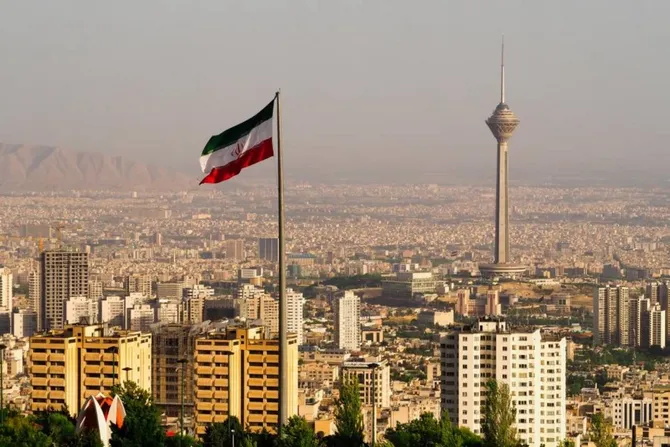
photo: getty images
Security Policy and Iran
A change of government would not necessarily bring a fundamental shift in Israel’s foreign or security policy.
Eisenkot is an experienced general who spent most of his career in the military. As a former IDF chief of staff, he has an extensive understanding of regional threats and the importance Israel attaches to its national security.
For that reason, continuity is likely to prevail in Israel’s approach to Iran, including its policy towards the Iranian leadership. The same is likely to apply to the country’s principal security concerns in Gaza, Syria and Lebanon.
In Lebanon, for example, any Israeli government would remain concerned about Hezbollah’s military capabilities and the threat the group poses to Israeli security. Differences in leadership may affect tactics and diplomatic style, but Israel’s core security objectives are unlikely to change substantially.
The Partnership with Azerbaijan
Israel’s relationship with Azerbaijan is another area where continuity can be expected.
The two countries have developed a strategic partnership that is important to both sides. Israel places a high value on its friendly relations with Azerbaijan, and there is little reason to expect a change of government in Jerusalem to undermine bilateral cooperation.
On the contrary, maintaining and further developing this partnership is likely to remain a priority for any new Israeli administration.
An Opening with Türkiye?
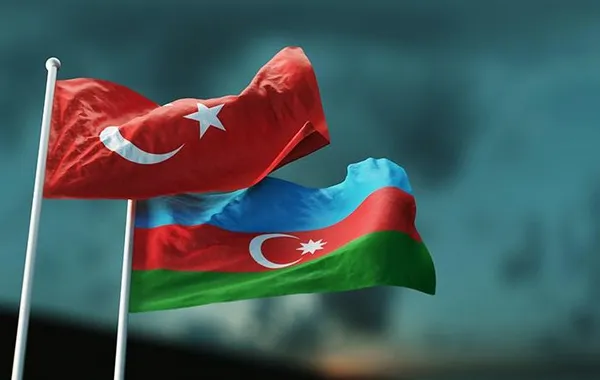
Relations with Türkiye could present an opportunity for gradual rapprochement. Although ties have deteriorated sharply and trade has declined considerably from its previous peak, economic connections between the two countries have not disappeared entirely.
A change of leadership in Israel could give Turkish President Recep Tayyip Erdoğan an opportunity to distinguish his criticism of Netanyahu from Türkiye’s broader relationship with Israel. Erdoğan has frequently directed his strongest criticism at the Israeli prime minister personally.
A new government in Jerusalem could create space for both sides to take gradual steps towards restoring political dialogue. Such a development would serve the interests of Israel and Türkiye and could contribute to greater stability in the Middle East.
This does not mean that normalisation would be easy or immediate. The two countries would still need to address substantial disagreements over regional conflicts. Nevertheless, a change of leadership could make renewed engagement more politically achievable.
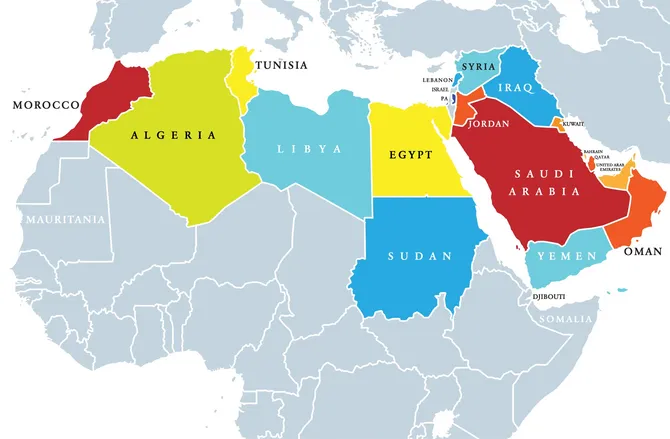
photo: getty images
Relations with Arab States
A new Israeli government could also influence the prospects for closer relations with Arab countries, including Saudi Arabia.
A change in political leadership may encourage some governments in the region to reconsider the possibilities for engagement with Israel. For Riyadh, it could provide an additional incentive to explore normalisation and the possibility of joining the Abraham Accords.
Much would depend on wider regional developments and the positions of all parties involved. Still, a new government in Jerusalem could create opportunities to rebuild dialogue with Western partners and Türkiye while strengthening Israel’s relationships across the Middle East.
Political change during a transition from war towards peace is not unusual. After the Second World War in Europe, Winston Churchill, who had led Britain during the conflict, left office and was succeeded by Clement Attlee. The circumstances are different, but the example illustrates how voters can seek new leadership as a country’s priorities evolve.
Netanyahu remains a prominent politician who has played a major role in Israel’s history. Nevertheless, a transition to new leadership could give Israel an opportunity to address domestic divisions, rebuild international relationships and pursue a more stable regional future.