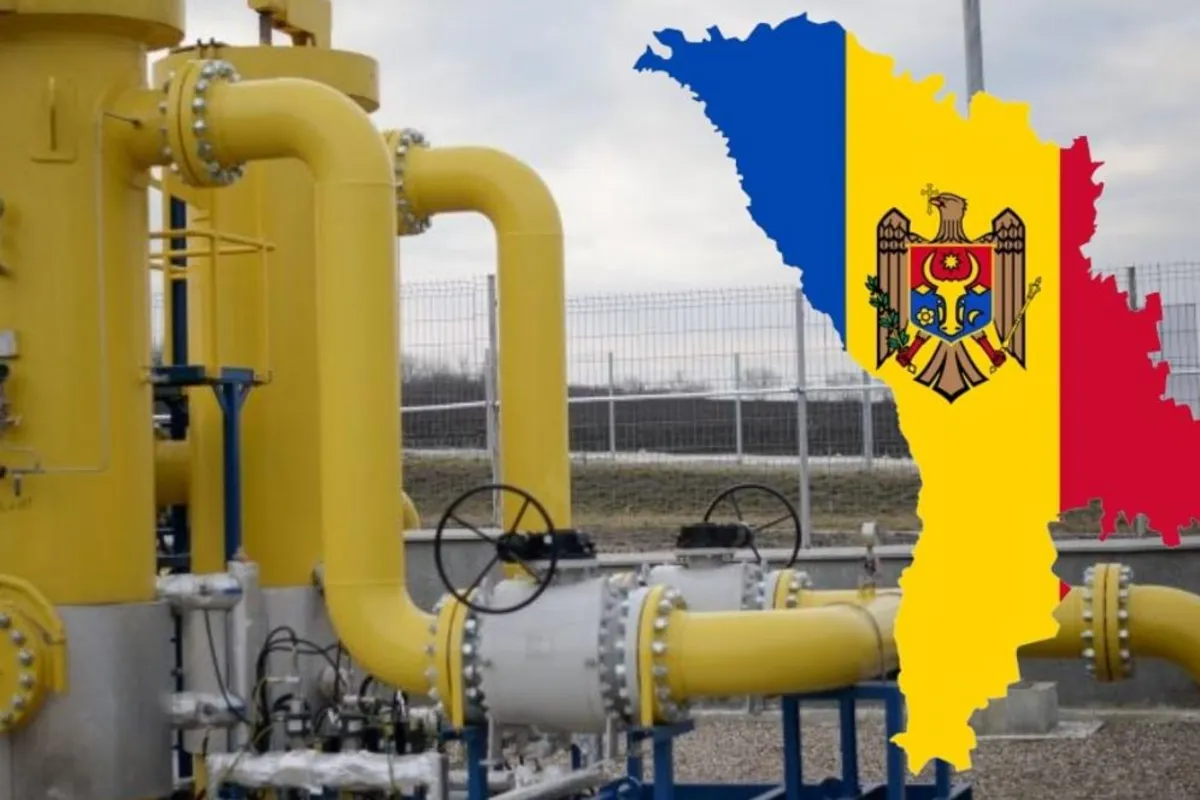
Moldova has taken an important step towards reducing its dependence on Russian natural gas. Since January 2025, the country has stopped importing gas directly from Russia, following Ukraine’s decision to halt the transit of Russian gas through its territory.
But ending direct purchases is not the same as eliminating Russian gas from the supply chain. Some of the fuel Moldova buys through European intermediaries may still be of Russian origin. For Chisinau, the task ahead is therefore more complex than finding new sellers: it must secure reliable sources of gas, dependable transport routes and sufficient storage capacity.
Azerbaijan could become an important part of that effort. Yet turning the prospect of Azerbaijani supplies into a stable, long-term arrangement will require Moldova to address infrastructure, security and commercial challenges.
photo: getty images
The Question of Origin
Moldova’s state-owned energy company, Energocom, purchases gas through a range of suppliers on the European market. The fuel can pass through several countries and trading companies before reaching Moldovan consumers.
These arrangements have helped Moldova move away from direct purchases from Russia. At the same time, the structure of the European gas market can make it difficult to establish the origin of every volume purchased. Some European trading partners continue to buy Russian gas, which means that a degree of indirect exposure may remain.
This distinction matters. Moldova has made progress in changing its purchasing arrangements, but a stronger measure of energy security is whether it can obtain sufficient gas from diverse sources, at a sustainable price, and deliver it when consumers need it most.
photo: getty images
The Azerbaijani Option
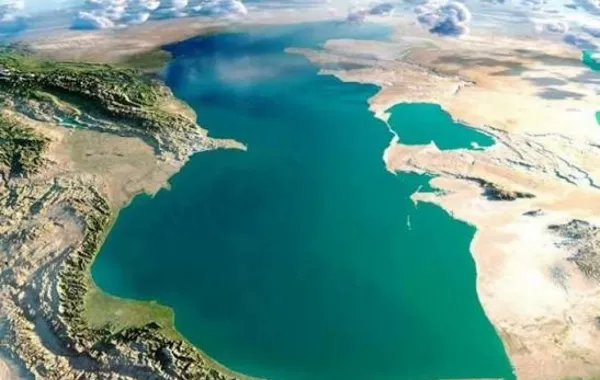
In March 2026, representatives of Energocom and Azerbaijan’s state energy company SOCAR discussed potential gas supplies to Moldova through the Southern Gas Corridor and the Vertical Gas Corridor.
The talks pointed to an opportunity. Azerbaijan has become an increasingly important supplier to European markets, and closer cooperation with SOCAR could give Moldova another option as it seeks to diversify its energy supplies.
However, there has been no significant progress towards a long-term supply arrangement. One challenge is transportation. The proposed route would involve the Trans-Balkan Gas Corridor, where access and capacity cannot always be taken for granted.
Security is another concern. Part of the route passes through Ukrainian territory, where the war creates risks for energy infrastructure. Damage to a compressor station in a missile strike has demonstrated how disruptions can affect the reliability of transportation.
Commercial considerations are equally important. European countries are competing for Azerbaijani gas, and Moldova would need long-term agreements specifying the volumes, prices and conditions of supply. The cost of transportation and transit would also determine whether such deliveries are competitive.
Azerbaijan could become a long-term supplier to Moldova, but it is too early to assume that it will become the country’s main source of gas. That will depend on the availability of volumes, the development of transport routes and agreements that make sense for both sides.
Infrastructure Remains the Central Challenge
For Moldova, access to alternative suppliers is only one part of the energy security equation. The country must also be able to store gas and transport it to consumers, especially during the winter.
Moldova has virtually no domestic natural gas storage capacity and relies on facilities in neighbouring Ukraine and Romania. In my assessment, approximately 75-80% of its gas reserves are held in Ukrainian storage facilities, with around 20% stored in Romania.
Dependence on storage abroad creates vulnerabilities. The risks are particularly clear in Ukraine, where gas storage and transport infrastructure could be damaged during the ongoing war. Building storage capacity within Moldova has been discussed, but the question remains at the planning stage.
Pipeline capacity is another concern. During periods of peak winter consumption, the Iași-Ungheni-Chișinău pipeline may not be sufficient to meet all demand. Planning must also take into account the needs of Transnistria, where gas consumption is substantial.
This means that even when enough gas is available on the European market, delivering the necessary volumes at the right time can be difficult. Alternative routes, including the Trans-Balkan corridor, can help, but they are also used by other countries and face their own capacity constraints.
From Diversification to Security
Moldova’s decision to end direct purchases of Russian gas was a significant development. But lasting energy security will depend on the work that follows.
The country needs to strengthen its transport infrastructure, expand access to storage, develop alternative routes and negotiate reliable supply agreements. It must also ensure that diversification remains affordable for households and businesses.
Azerbaijan can be a valuable partner in this process. For that potential to be realised, Moldova and Azerbaijan will need to translate their discussions into commercially viable arrangements backed by secure transport capacity.
Moldova’s objective should be a system in which the country has choices: several suppliers, more than one dependable route and enough flexibility to withstand a disruption. That is what will make its energy security more durable.