Azerbaijan’s economic growth is increasingly being driven by industries outside oil and gas extraction. Against a backdrop of declining oil production, manufacturing, transport, digital services and other non-oil sectors are becoming important sources of development.
The results for the first ten months of 2026 illustrate this trend. Azerbaijan’s GDP grew by 1.7% in January-October, while the non-oil and gas sector expanded by 2.9%. The oil and gas sector, meanwhile, contracted by 0.9%.
The figures point to structural changes in the economy. Overall growth remains moderate, but the headline figure conceals a more complex picture: a decline in one sector is weighing on the result, while other areas continue to expand.
Why the Structure of Growth Matters
Comparisons between the South Caucasus economies often focus on GDP growth rates. Yet this figure alone does not reveal the full characteristics of each national economy.
Growth rates depend on the structure and size of an economy, investment activity and conditions in individual industries. A larger GDP does not automatically translate into faster growth: a percentage change measures growth relative to an earlier period, rather than the absolute size of an economy.
In Azerbaijan’s case, the oil and gas industry has a significant effect on the overall result. It is therefore important to look beyond the headline GDP figure and assess how quickly other sectors are growing, whether they are creating jobs and whether they can generate sustainable export revenues.
During the first ten months of 2026, non-oil and gas industry grew by 5.9%, transport by 10.2%, and information and communications by 9.9%. These figures suggest that the sources of growth are gradually broadening across both production and services.
Transport development strengthens Azerbaijan’s role in international trade and creates demand for logistics services. Growth in information and communications, meanwhile, offers opportunities to digitalise businesses, attract technology companies and create new jobs.
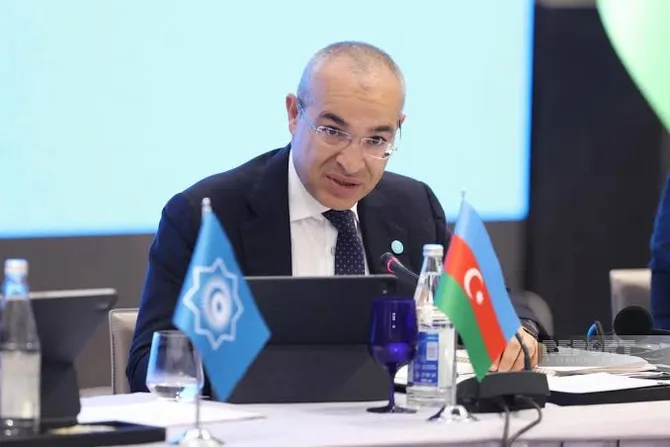
photo: getty images
Exports As a Measure of Diversification
One of the clearest developments in recent years has been the rise in non-oil and gas exports. According to Economy Minister Mikayil Jabbarov, they grew by more than 20% in the first ten months of 2026, reaching $3.6 billion. The figure excludes gold operations by the State Oil Fund.
Industrial products accounted for 61% of those exports. Jabbarov expects non-oil and gas merchandise exports to exceed $4.2 billion for the full year - approximately 2.5 times the 2018 level.
Export growth matters for more than the foreign currency it brings into the country. It also indicates that Azerbaijani businesses are expanding their presence in overseas markets and that the economy is gaining additional sources of revenue.
The share of industrial goods is particularly significant. The more products Azerbaijan can manufacture competitively for export, the greater the opportunities to develop businesses, introduce new technologies and create skilled jobs.
The long-term result, however, will depend on whether this growth proves sustainable: whether companies can enter new markets, broaden their product ranges and increase the share of higher value-added goods.
Oil Revenues and A Changing Economic Model
The oil and gas sector has played a defining role in Azerbaijan’s economy for many years. Energy export revenues have helped the country build foreign currency reserves, finance infrastructure and implement major state projects.
The next stage of economic policy involves using those resources and capabilities to develop other industries. The aim is to build a broader production and export base that will allow the country to reduce its dependence on fluctuations in hydrocarbon prices over time.
President Ilham Aliyev has previously described the non-oil sector as the leading driving force of Azerbaijan’s economy. In practice, this policy involves supporting industry, entrepreneurship, transport, agriculture and new technologies.
What the 2027 Budget Shows
The changing role of the non-oil and gas sector is also reflected in budget forecasts. According to Finance Minister Sahil Babayev, Azerbaijan’s consolidated budget revenues for 2027 are projected at 47.6 billion manats.
Of that total, 30.7 billion manats, or 64.5%, is expected to come from non-oil and gas sources. The oil and gas sector is forecast to account for 16.9 billion manats, or 35.5%.
This is an important indicator, but it must be considered alongside the continuing role of oil revenues. The draft state budget for 2027 envisages a transfer of 11.9 billion manats from the State Oil Fund, equivalent to about 30% of state budget revenues. The expansion of the non-oil revenue base is therefore a gradual process, while accumulated oil resources continue to support both the economy and the budget.
Further progress towards budget sustainability will depend on whether new industries and services can generate growing tax revenues, attract investment and earn foreign currency.
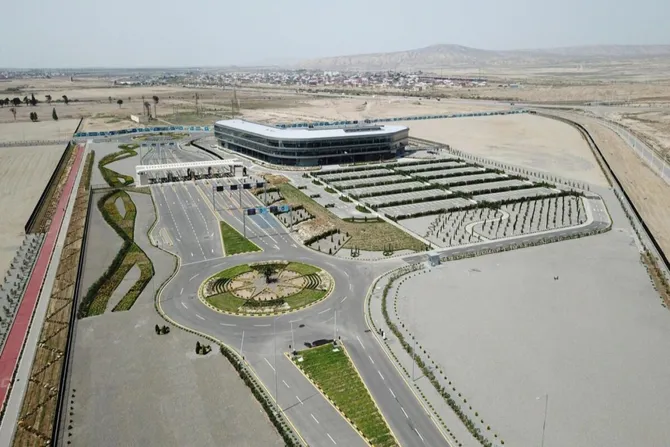
photo: getty images
Supporting Business and Investment
The government has introduced measures to help entrepreneurs expand production and exports. According to Jabbarov, half of the interest on business loans in regions outside Baku and Absheron is subsidised, while the loan guarantee limit has been raised from 20% to 50%.
Between 2027 and 2030, the state also plans to cover half the cost of connecting industrial and agricultural facilities to electricity networks. In addition, exporters are eligible for compensation covering up to 70% of transport costs, while micro, small and medium-sized businesses can receive compensation for part of their customs clearance expenses.
Such measures are particularly relevant to the regions, where borrowing costs, infrastructure connections and transport expenses can influence an entrepreneur’s decision to launch a business. Their effectiveness will depend on how widely businesses can use them and whether they lead to the creation of competitive enterprises.
The Alat Free Economic Zone offers a separate set of opportunities. From 2027, companies that export at least half of the goods they produce in the zone are expected to be able to supply products to the domestic market without paying customs duties.
For a zone located close to port and transport infrastructure, this creates additional incentives for investors interested in both regional and international markets.
From Transport Routes to Production Centres
The second Azerbaijan International Investment Forum was held in Baku in September, resulting in the signing of 23 agreements and documents related to projects with a combined value of $10.8 billion.
They cover a range of fields, including energy, industry, the digital economy, agriculture, pharmaceuticals and finance. The agreements also include oil and gas projects. Their announced value represents the parties’ plans and does not mean that all the investment has already been made.
One project in the Alat Free Economic Zone envisages the production of silicon carbide, silicon oxide and silicon using new technologies. Such products can be used in electronics and other high-tech industries.
Projects of this kind show how transport infrastructure can support a broader range of economic activity. When businesses, warehouses and service providers develop alongside international routes, a country can benefit not only from moving goods but also from producing and processing them.
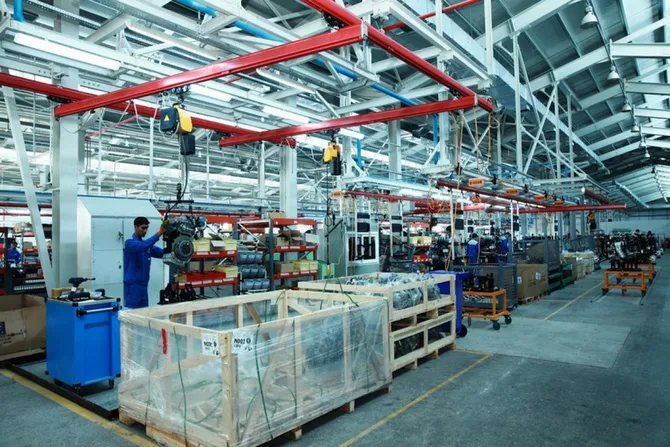
photo: getty images
Targets for 2030
According to government forecasts, Azerbaijan’s non-oil and gas sector will grow by an average of 4.4% a year in 2027-2030. Average annual growth is expected to exceed 7% in non-oil and gas industry, reach 11% in information and communications, 8% in tourism, around 5% in transport and 2.8% in agriculture.
The non-oil and gas sector’s share of GDP is also projected to rise from 71.5% in 2025 to 82% by 2030.
These figures reflect the direction of government policy, although achieving them will depend on investment projects, private-sector development and the external economic environment. Moreover, a rising share of non-oil and gas activity can reflect changes in the oil and gas industry as well as growth in other sectors.
The key measure of successful diversification will therefore be sustained growth in production, labour productivity and non-oil exports. The ability of emerging industries to create jobs, attract private investment and compete abroad will determine how resilient Azerbaijan’s economic model becomes over the long term.