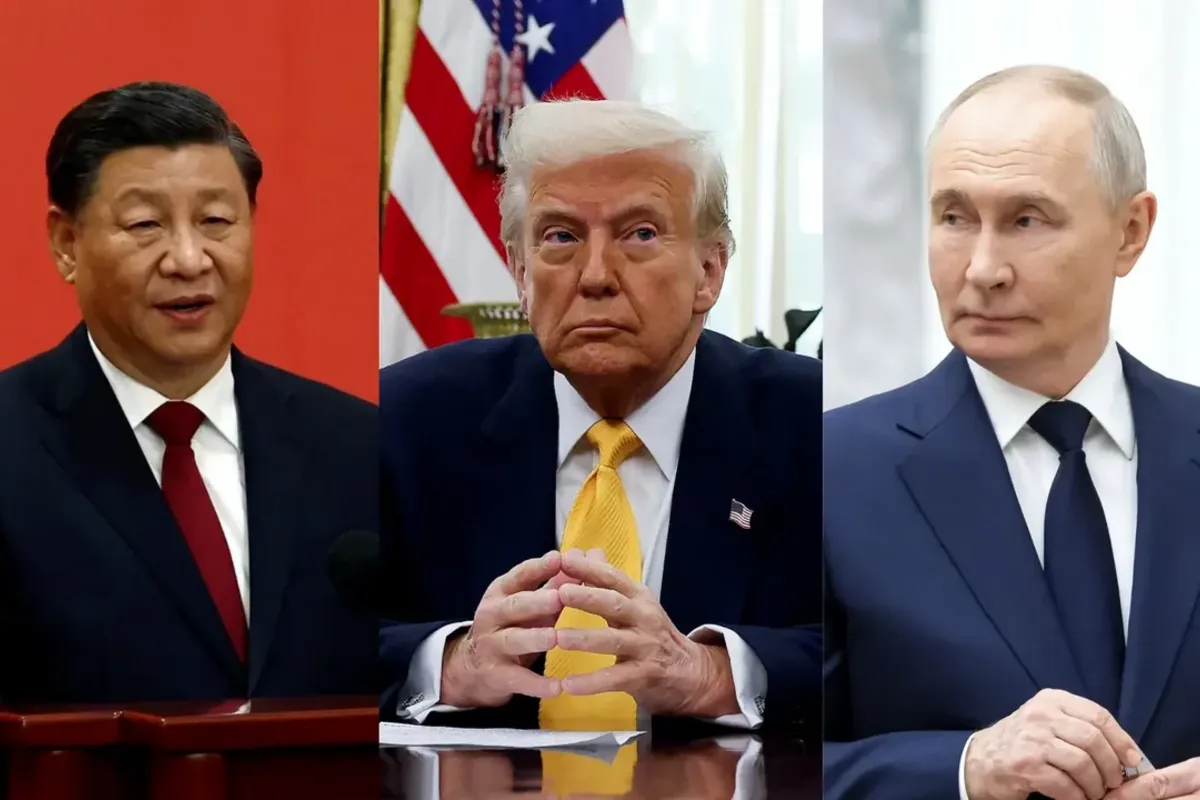
A possible meeting between the leaders of China, Russia and the United States would be a significant diplomatic event at a time of growing international uncertainty. Its greatest value, however, would lie in opening a direct channel of communication among three major powers rather than immediately transforming the global order.
Bringing the three leaders to the same negotiating table could help reduce the risk of miscalculation and misunderstanding. In an environment marked by strategic rivalry, regional conflicts and nuclear tensions, even the opportunity to exchange views directly would be meaningful.
It would be premature, however, to describe a single summit as the beginning of a new mechanism for managing relations among the world’s leading powers. A lasting framework would require sustained political will, regular contacts at the expert level, clear rules and a degree of predictability in relations among the participants.
A meeting could nevertheless provide positive momentum for further engagement. Any agreements reached should complement the existing system of international law and the role of the United Nations, rather than replace them.
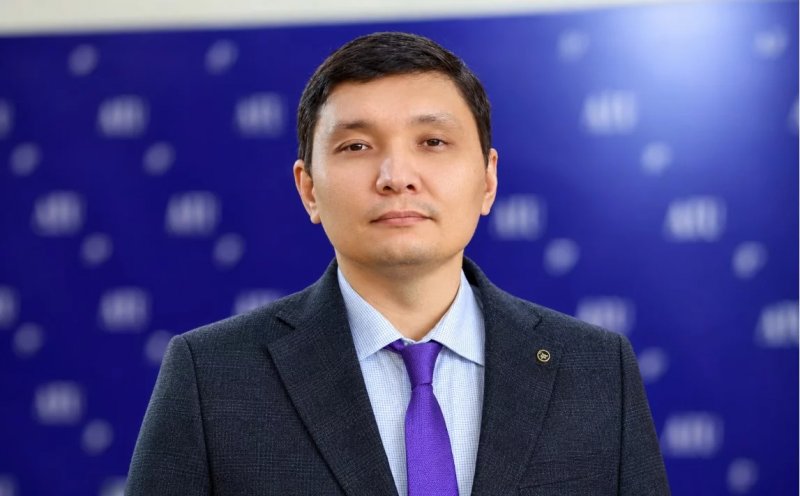
For Kazakhstan, stronger dialogue among major powers is important because it can contribute to global stability and reduce tensions that affect countries far beyond the negotiating table.
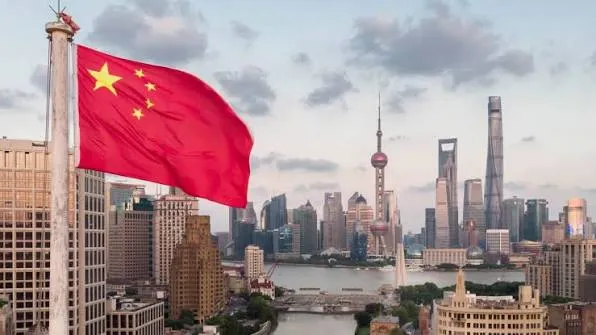
photo: getty images
China's Role and the Limits of Mediation
For China, a meeting hosted on its territory would offer an opportunity to reaffirm its role as a major power interested in a stable international environment. Stability is essential to Beijing’s domestic development priorities and its extensive trade and economic relationships.
China maintains working relations with both Washington and Moscow and has considerable economic influence. These factors could allow Beijing to help create favourable conditions for dialogue.
That does not necessarily mean China would act as an arbitrator between the United States and Russia. Mediation can be effective only when the parties themselves are prepared to seek compromise. Beijing also has its own interests and positions on key issues, including arms control, which would inevitably shape its approach to any discussions.
A realistic expectation would therefore be for China to facilitate communication and encourage engagement, rather than attempt to resolve every disagreement between Washington and Moscow.
Strategic Stability Offers the Best Prospect for Progress
Strategic stability, nuclear arms control and regional crises could be among the main issues discussed at a trilateral meeting. The war in Ukraine and other conflicts may also feature on the agenda, although the participants have different priorities and views on how such matters should be addressed.
The most promising area for practical progress is likely to be the reduction of strategic risks. Confidence-building measures, reliable communication channels and steps to prevent unintended escalation are areas in which the interests of all three powers overlap.
A miscalculation involving nuclear-armed states could have consequences far beyond their borders. Maintaining dialogue and ensuring that leaders can communicate during a crisis are therefore valuable objectives in their own right.
As for regional conflicts, Kazakhstan has consistently supported peaceful settlements based on the UN Charter and the universally recognised principles of international law. Any progress towards negotiated solutions would be welcome, but comprehensive agreements should not be expected overnight.
Even a shared commitment to continue discussions would represent a tangible outcome. Diplomacy on complex security issues requires sustained effort, and a single meeting can only be one step in a longer process.
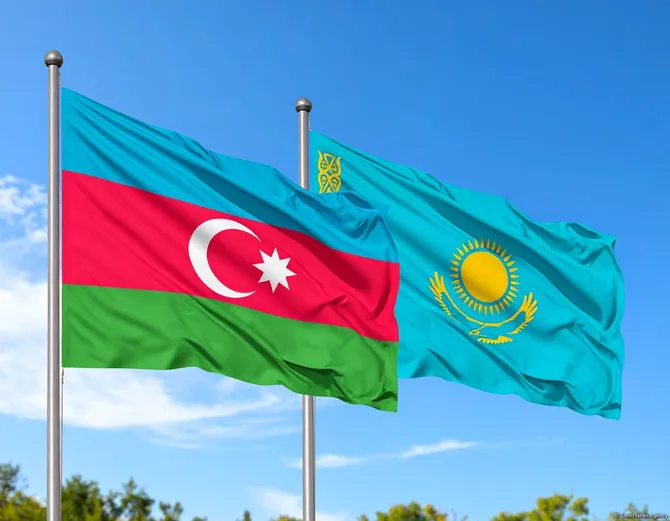
photo: getty images
Sovereignty and the Interests of Smaller States
A summit involving China, Russia and the United States would inevitably raise questions about the future of the international order. Yet it would be premature to suggest that one meeting could establish a new system dominated by three powers.
Today’s international system is multipolar and multilayered. It includes the United Nations, regional organisations and states with diverse interests and priorities. Major powers have considerable influence, but their discussions cannot override the sovereign equality of states, a fundamental principle of international law.
For small and medium-sized countries, including Kazakhstan and Azerbaijan, the key question is whether dialogue among major powers helps reduce tensions while respecting the sovereignty and interests of others. Decisions affecting these countries should involve their participation.
The experience of Kazakhstan and Azerbaijan shows the value of a pragmatic, multivector foreign policy. Both countries have sought to develop partnerships with major international actors while pursuing their own national interests.
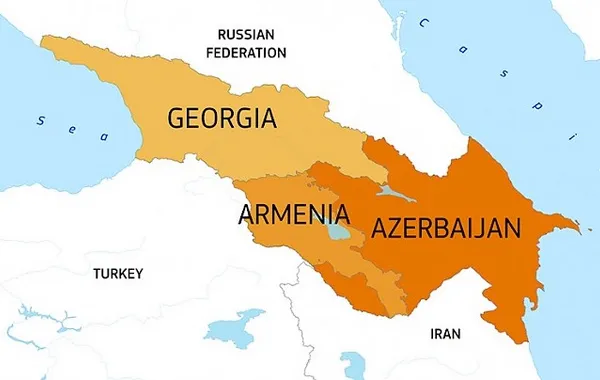
For Eurasia, stability and open trade and transport connections remain essential. The development of the Trans-Caspian route, also known as the Middle Corridor, together with cooperation in energy and connectivity, can strengthen regional resilience amid changes in relations among major powers.
A trilateral summit could help create a more predictable environment for such cooperation. Its significance would be measured not by declarations of a new world order, but by whether it reduces tensions, keeps diplomatic channels open and respects the interests of the wider international community.