Georgia’s Political Divide Threatens Its European Future
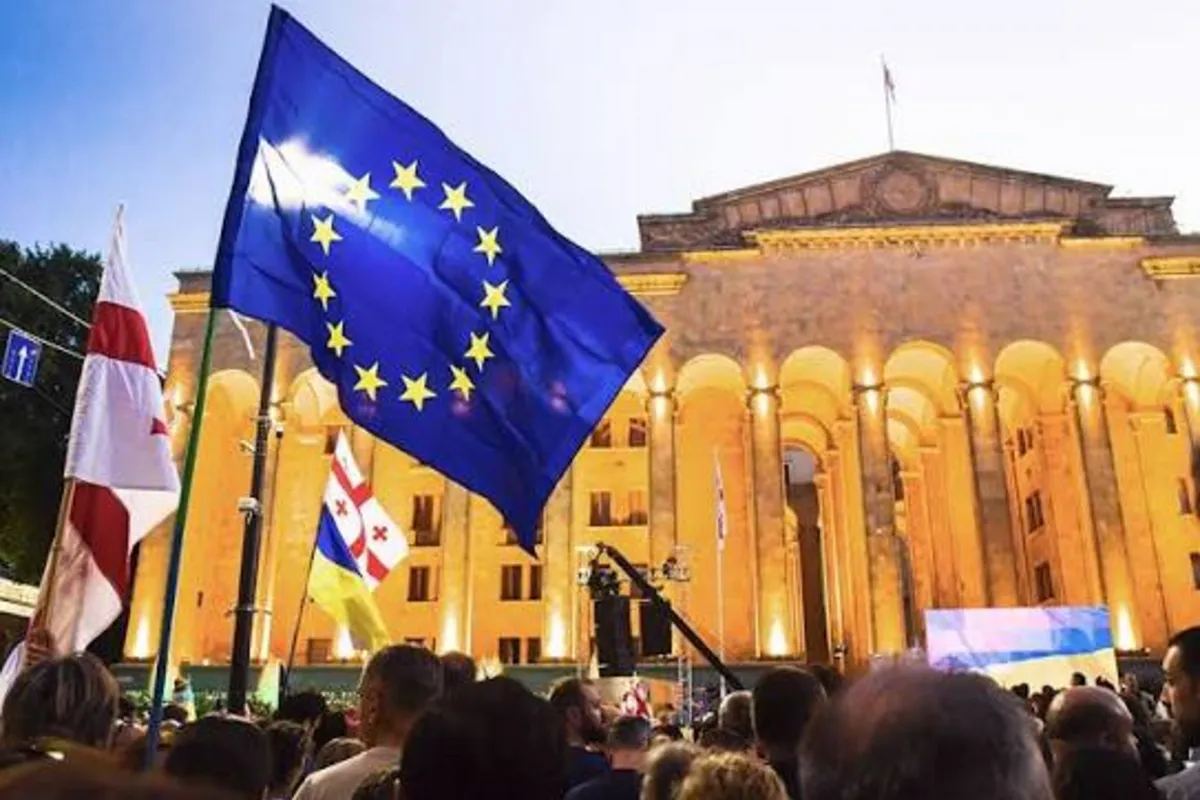
Georgia’s deepening political polarisation is becoming more than a domestic challenge. It is placing further strain on the country’s relations with the European Union and could ultimately affect its economy, demographic future and international partnerships.
Relations between Tbilisi and Brussels are already in a difficult state, and the outlook remains uncertain. Moves to ban opposition parties and changes to electoral legislation could further deepen the rift, increasing tensions at a time when Georgia can ill afford greater isolation.
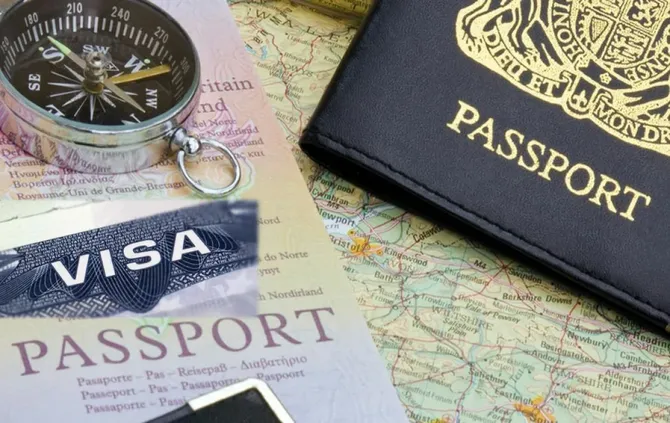
photo: getty images
One of the most serious potential consequences would be a review of visa-free travel for Georgian citizens. Such a step is not inevitable, but it cannot be ruled out if relations with the EU continue to deteriorate.
For many Georgians, the ability to travel to Europe is closely connected to family ties and economic opportunities. A significant number spend time abroad before returning home. Although visa-free travel does not generally grant the right to work, restrictions could make travel more difficult for people whose lives and livelihoods depend on connections with Europe.
The consequences could also extend to Georgia’s demographic situation. Faced with uncertainty over future travel, some citizens might seek longer-term legal status in European countries and decide to remain there permanently. For a country already concerned about emigration, the long-term effects could be significant.
Another development deserves attention: some influential members of the Georgian Orthodox Church have begun to speak out against policies pursued by the ruling party. Given the Church’s importance in Georgian society, these positions add another dimension to the country’s political tensions.
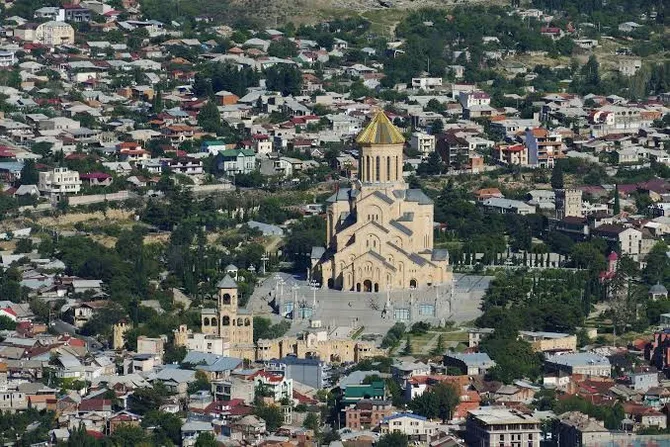
photo: getty images
In my view, the situation can already be described, at least in part, as a political crisis. Georgia is approaching the parliamentary elections scheduled for 2028 without resolving the confrontation over its political future. If the divide continues to deepen, the country could face a further concentration of power.
At the same time, the Georgian Dream government retains a significant argument in its favour. As long as the war in Ukraine continues, the authorities can point to the fact that Georgia has remained outside the conflict. For many citizens, the preservation of peace remains a powerful consideration.
I also believe that some opposition forces the authorities seek to exclude, which I regard as revanchist, pose risks to Georgia’s peaceful coexistence. These concerns are part of the broader debate over the country’s security and political direction.
Yet the growing concentration of political power carries risks of its own. Western governments could interpret further restrictions on political competition as a decisive departure from democratic principles and respond with additional sanctions.
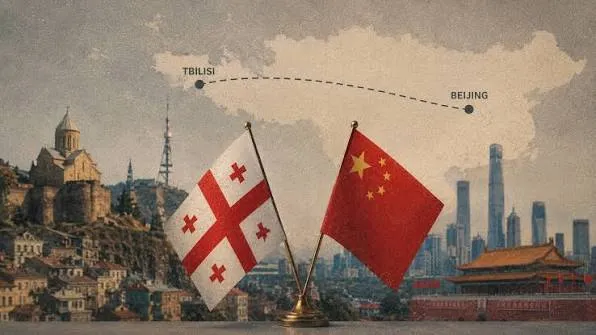
photo: getty images
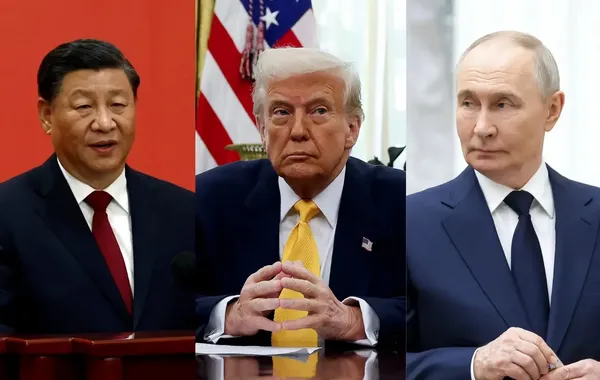
Such measures could, in turn, encourage Georgia to seek closer relationships with other partners, including Russia and China. The result would be a further shift in the country’s foreign policy at a time when its relationship with Europe is already under severe pressure.
Georgia therefore faces difficult choices. Its leaders must consider not only the immediate political struggle, but also the longer-term consequences for the country’s international standing, its citizens and its future.