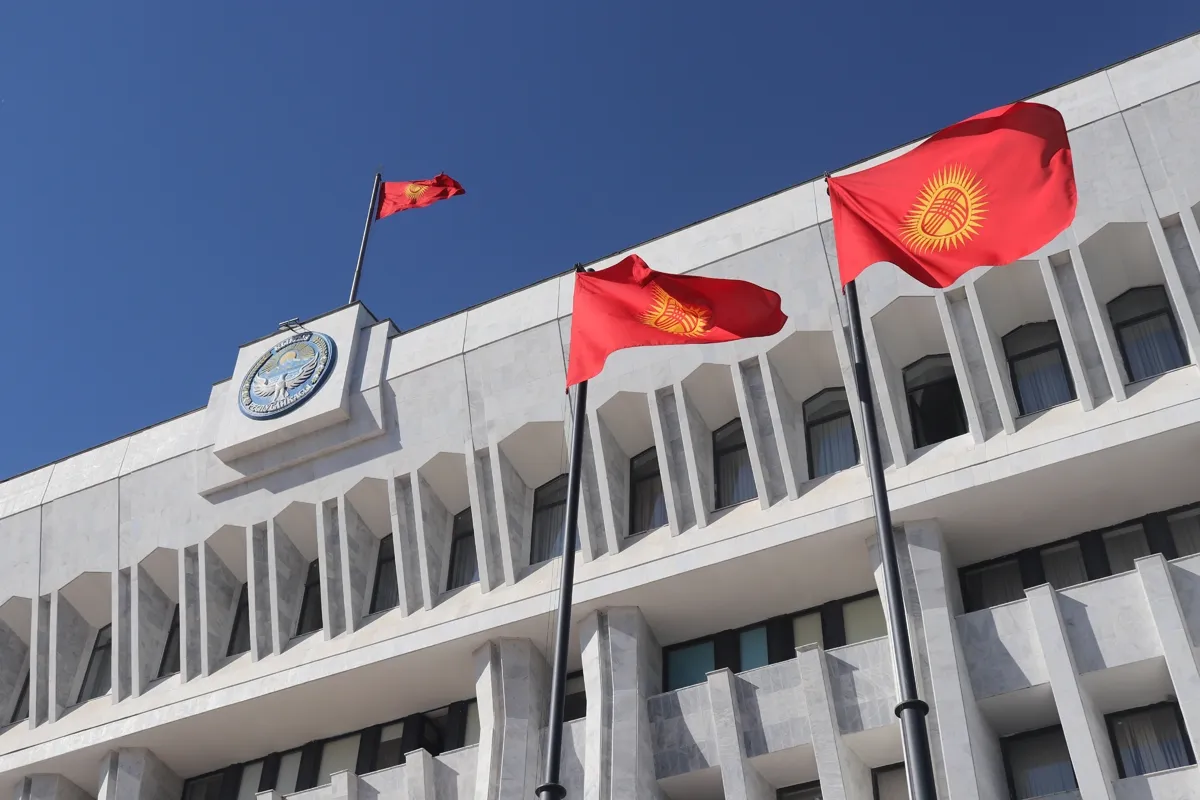
The vote is scheduled for January 27, 2027. The economy, jobs, corruption and political reform could be among the main issues of the campaign.
Kyrgyzstan’s Central Election Commission published a preliminary voter list for the upcoming presidential election on November 9. It includes 4,467,040 people.
The vote is scheduled for January 27, 2027. The commission says the list is preliminary and will be updated daily.
The election will give citizens an opportunity to assess the current government’s record and the proposals of other contenders. For many voters, everyday concerns such as the cost of living, family incomes, employment, education and healthcare may be as important as political statements.
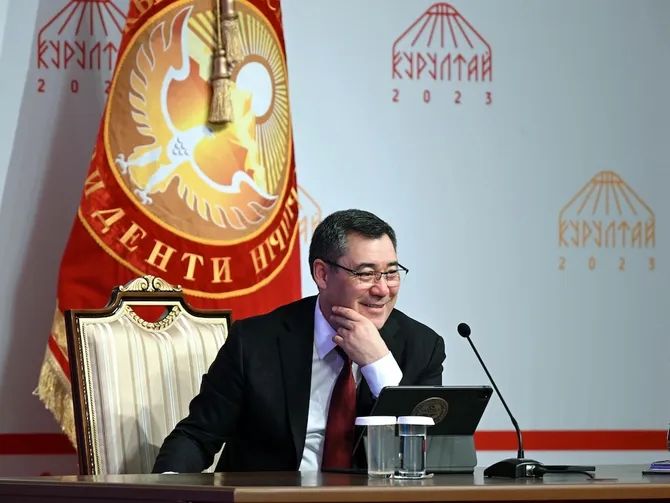
photo: eurasianet
Who Intends to Run?
Candidate nominations remain open until November 13, 2026. Contenders must then meet the legal requirements for registration.
Among the politicians who have expressed an intention to run is incumbent President Sadyr Japarov, who has led the country since 2021. Other politicians and public figures have also announced their intention to participate.
On November 6, former member of parliament Iskhak Masaliyev submitted an application to the election commission as a self-nominated candidate. Submitting an application does not, however, mean that a contender has been formally registered. The final field will become clear once the required procedures are completed.
What Do Citizens Expect From the Next President?
For many people in Kyrgyzstan, a central question may be how the candidates’ proposals would affect daily life: incomes, prices, employment and access to public services.
In an online survey published at the beginning of 2026, 58% of respondents mentioned economic issues among their expectations, including higher wages, efforts to contain prices, and increases in pensions and benefits. Another 38% mentioned fighting corruption and strengthening the rule of law.
The survey asked about expectations for 2026 rather than specifically about the presidential election. It was conducted online, so its results should not automatically be taken as representative of all voters in the country.
Nevertheless, the issues raised by respondents offer an indication of the questions candidates may need to address with concrete proposals.
Incomes and the Cost of Living
For families, what matters is not only whether the economy is growing overall, but also whether their earnings cover food, housing, transport and utilities.
Voters may expect candidates to explain how they intend to contain price increases, raise incomes and protect the most vulnerable households. Beyond promises, they will need to explain what measures they would take and how they would pay for them.

photo: getty images
Jobs and Labour Migration
Creating jobs inside the country remains an important issue. For young people in particular, the opportunity to gain skills and find reasonably paid work can shape their future.
Many Kyrgyz citizens work abroad and support their families through remittances. Candidates may therefore face questions both about creating opportunities at home and about protecting migrant workers’ rights abroad.
Support for small businesses, investment and better conditions for entrepreneurs could form part of the campaign debate. Another question is how to create opportunities beyond Bishkek and other major cities.
Fighting Corruption and Ensuring Fair Justice
For some citizens, fighting corruption means more than punishing individual officials. It also means making government spending transparent and ensuring that public institutions are accountable.
Voters may expect the next president to offer clear steps to strengthen the rule of law, apply rules equally and increase trust in the courts. Candidates may also be asked how they intend to make state bodies answerable for their decisions.
Education and Healthcare
The quality of schools, access to doctors and the cost of treatment directly affect families. Voters may want to hear how contenders plan to improve conditions for teachers and healthcare workers, modernise facilities and make services more accessible in the regions.
For young people, opportunities to receive an education, learn a profession and find work after graduation are also important.
Electricity and Utilities
Reliable electricity supplies and affordable tariffs could also become campaign issues. Candidates will need to explain how they intend to secure energy supplies, modernise infrastructure and take household finances into account.
Open Government and Political Freedoms
The election offers an opportunity to discuss not only the economy, but also the functioning of state institutions: the role of parliament, judicial independence, freedom of expression and public participation in decision-making.
Confidence in the vote will depend in part on transparent procedures, voters’ access to reliable information and candidates’ ability to present their programmes. Domestic and international observers, whose participation is included in the election preparation plan, will also have a role.
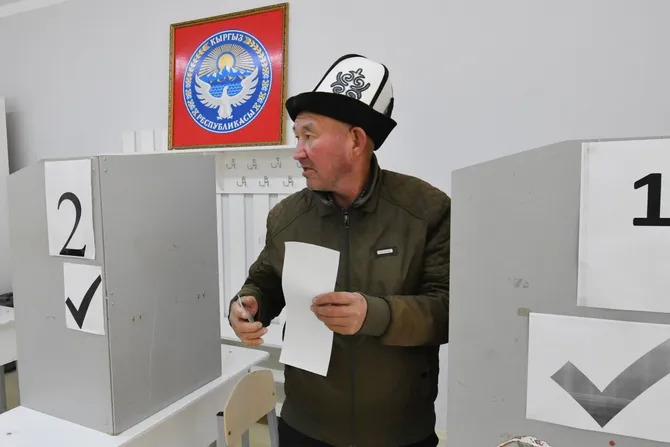
photo: eurasianet
How Can Citizens Check the Voter List?
According to the Central Election Commission, citizens can check their details on the preliminary list until January 12, 2027, inclusive:
- On the state voter portal, Tizme;
- At their polling station;
- By calling the short numbers 1255 or 119;
- By sending their personal identification number by SMS to 119 to receive information about their polling station.
If voters find an error, they can submit an application through the “Voter’s Cabinet” service on the Tizme portal. Citizens who have not completed biometric registration can visit a public service centre.
There is still time before the vote for the final list of candidates to be established and their programmes to be debated. For citizens, the central question will be which proposals can improve families’ lives and strengthen the country’s future.