How Israel-Lebanon Agreement Reshapes Iran's Middle East Strategy
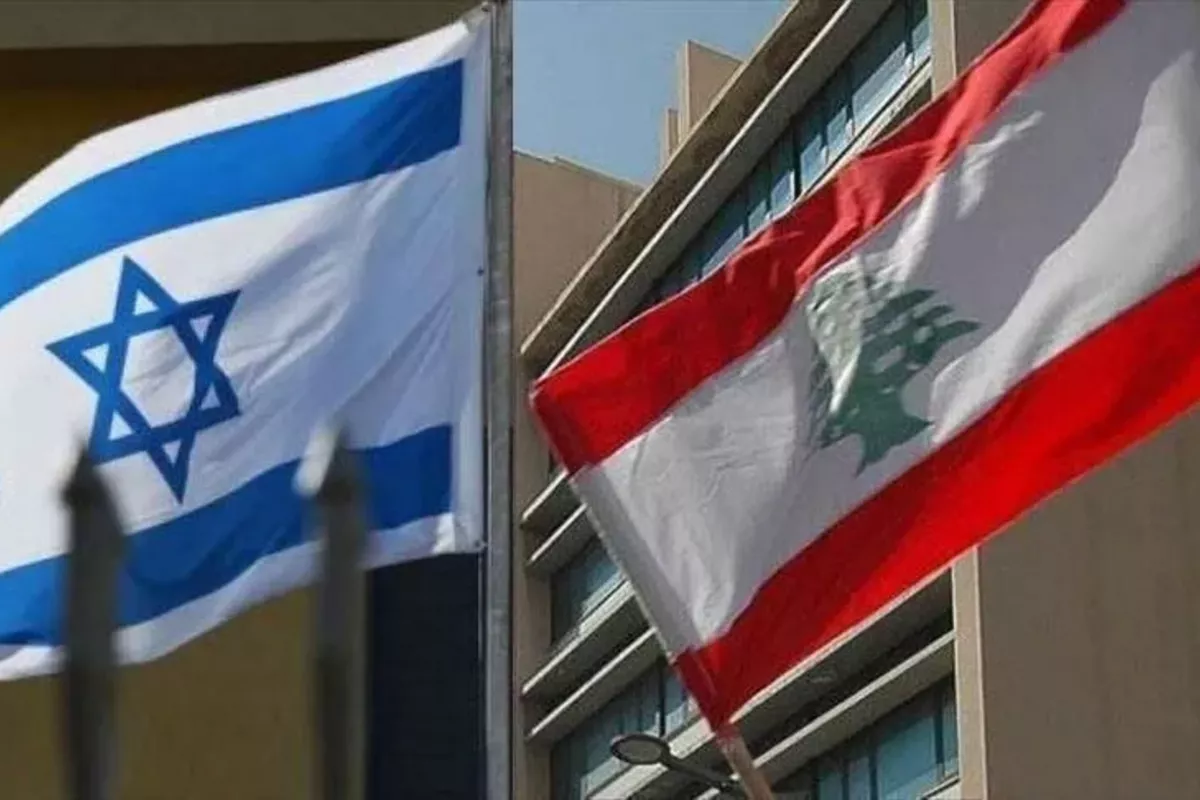
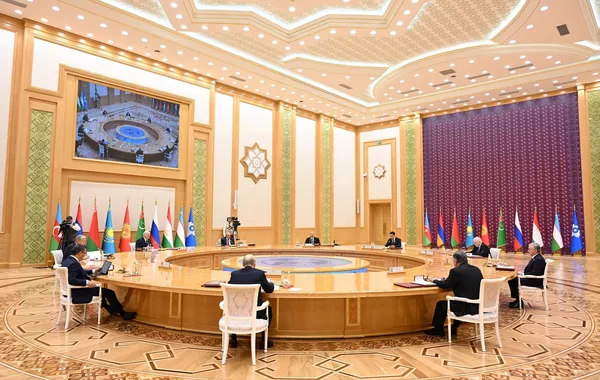
On 26 June, following negotiations in Washington, it was announced that Israel and Lebanon had reached a framework agreement. As US Secretary of State Marco Rubio said, "This is only the beginning. Israel and Lebanon still have a long way to go."
"The first step is sometimes the hardest, but it is precisely this step that we are taking together today. Without question, the people of Israel deserve to live in peace and security, especially those living in the country's north, who have repeatedly been targeted by terrorist attacks launched from Lebanese territory. These attacks did not originate from the Lebanese people or the Lebanese government, but from an external force seeking to use Lebanese territory to attack innocent civilians, who for many years have been unable to live safely in these areas," he said.
In the 14-point agreement, Israel and Lebanon affirm each other's right "to live in peace". The document also expresses their "mutual aspiration to live in security as neighbouring sovereign states". In other words, both countries recognise each other's sovereignty and reject foreign interference in their bilateral relations.
The agreement states that "all aggressive or subversive actions in international and judicial forums must cease", a provision of particular importance to Israel. Both countries also undertake to secure the release of prisoners and the return of the remains of the deceased. Furthermore, Lebanon and Israel emphasise that "this framework agreement in no way prohibits the parties from exercising their inherent right to self-defence". This refers to the activities of Hezbollah, whose actions undermine Lebanon's sovereignty by effectively turning the country into a hostage of Iran.
The document stipulates that the Lebanese Armed Forces must restore control over the country's entire territory "until the verified disarmament of non-state armed groups and the dismantling of the infrastructure associated with them has taken place". It also provides for the establishment of two pilot zones from which the Israel Defense Forces (IDF) will withdraw and hand responsibility over to the Lebanese Army. One zone will be located north of the Litani River, while the other will be south of it. The aim is to remove pro-Iranian forces and restore Lebanon's sovereignty.
Unlike the agreement concluded in November 2024, the current arrangement envisages a more active role for the US military, which will not only monitor implementation of the agreement but also train and strengthen the Lebanese Army. According to Israeli sources, the IDF will remain deployed along the "Yellow Line".
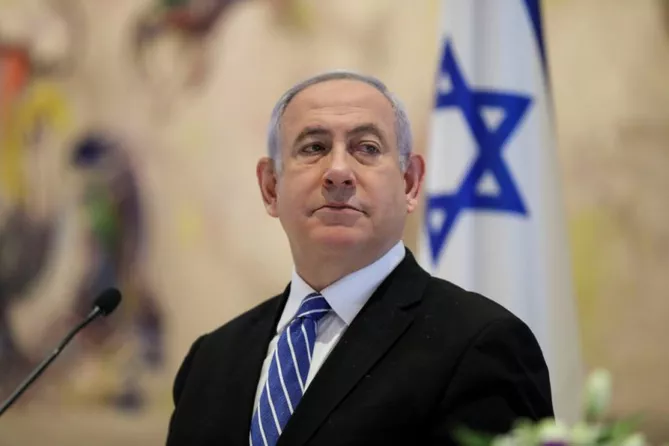
Photo: Getty Images
In addition, Israel will not withdraw its forces from the Beaufort area. Residents of southern Lebanon will also not yet be permitted to return to their homes. To demonstrate its effectiveness, the Lebanese Army has undertaken to dismantle terrorist infrastructure within the pilot zones. If implementation in these areas satisfies Israel, the arrangement will be extended to additional territories. One of the zones from which the IDF is expected to withdraw lies north of both the Litani River and the "Yellow Line". The second may encompass one of the areas recently occupied by the Israeli military beyond the "Yellow Line".
According to sources, the IDF took control of these areas to expand Israel's security presence and strengthen its negotiating position.
If the agreement is successfully implemented and the Lebanese Army establishes control over territories that become demilitarised and free of Hezbollah fighters, the IDF may also withdraw from areas along the "Yellow Line".
Meanwhile, an official Lebanese source told Al Jazeera that the withdrawal from the two areas would take place according to a phased timetable.
According to Prime Minister Benjamin Netanyahu, "The most important thing is that Israel remains, first and foremost, in the security zone in southern Lebanon. This is a major achievement, and we will maintain it until Hezbollah is disarmed and as long as the State of Israel remains under threat. This is a serious blow to Iran, which is trying to force us to withdraw our troops from southern Lebanon. But Israel, Lebanon and the United States are telling them: this is none of your business. You have no role in Lebanon - not you, not Hezbollah, nor any other terrorist organisation. Furthermore, we are allowing the Lebanese Army to begin organising itself and taking control of the territory. We continue to maintain the original security zone beyond the range of anti-tank missiles. We will not allow Hezbollah to enter it, nor will we allow civilians to do so. This remains in force. And most importantly, Israel declares: our security comes above all else."
The trilateral framework agreement represents a significant achievement not only for Israel and Lebanon, whose legitimate government is asserting its sovereignty for the first time in years, but also for the Middle East as a whole. It rejects Iran's attempts to impose its will on other states in the region through Shiite proxy groups. The agreement is also likely to serve as a test of the actual strength of Hezbollah in Lebanon, the Houthis in Yemen, and similar Iranian-backed organisations elsewhere. More broadly, it may prove to be an important indicator of the Islamic Republic's declining regional influence and military standing. It is therefore unsurprising that Hezbollah's leadership opposed the agreement, which weakens the group's position both domestically and in the eyes of its principal sponsor, Iran.
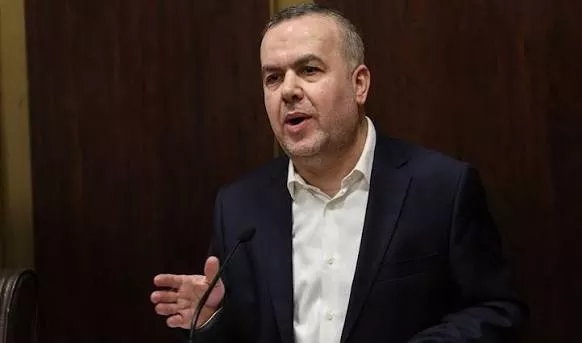
Photo: Getty Images
The organisation has already suffered a major setback in Syria and has now effectively been sidelined in its own country. Judging by the reaction of Hezbollah's leaders, they did not expect Lebanon's legitimate government to take such a bold step. Hezbollah MP Hassan Fadlallah said in a published statement:
"We reaffirm Hezbollah's position rejecting direct negotiations with the Israeli enemy. We warn of the dangers of the political and military course of negotiations, which undermines Lebanon's sovereignty and creates dangerous internal divisions. We call on the authorities to abandon the path of direct negotiations and all decisions taken against the people."
Hezbollah Secretary-General Naim Qassem also rejected the security agreement between Lebanon and Israel reached with US mediation. He described the document as a "capitulation", but stopped short of threatening the Lebanese government, apparently recognising the risk of plunging the country back into civil war, with potentially catastrophic consequences for Lebanon's Shiite community.