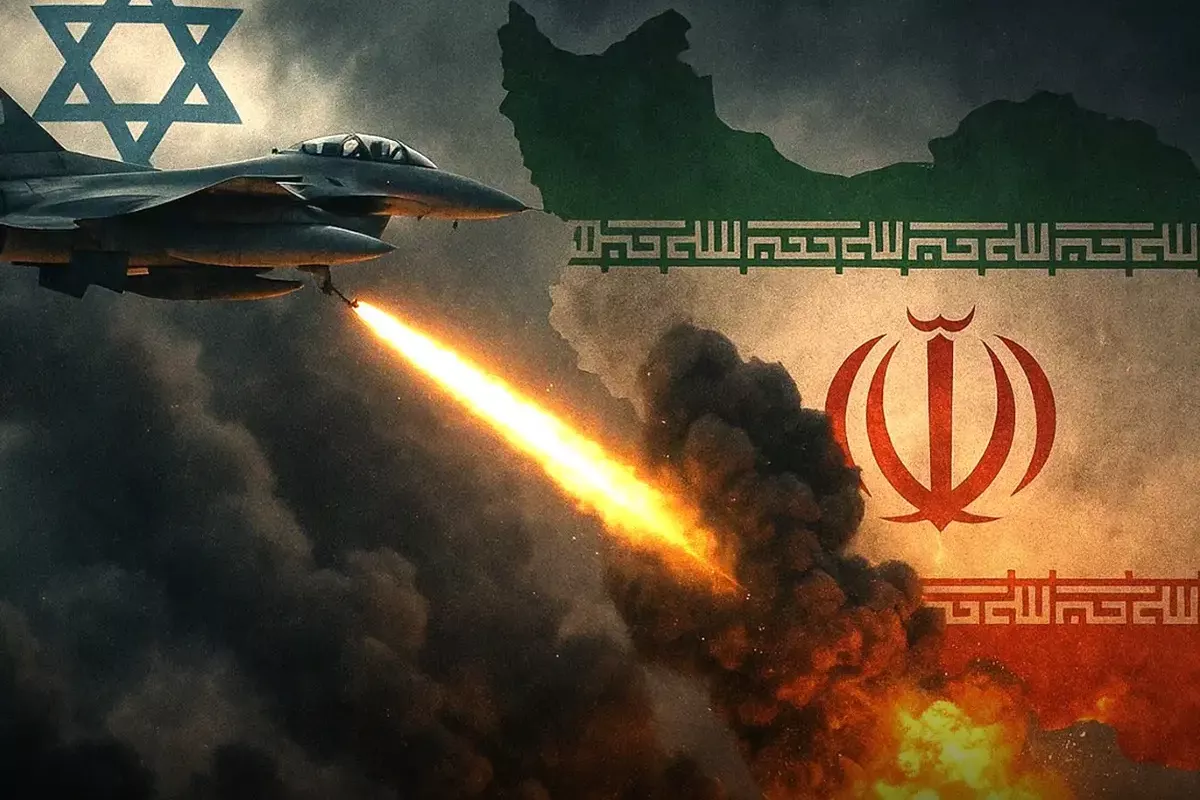
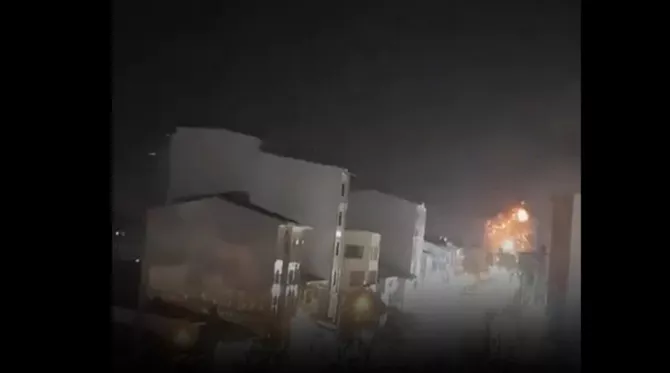
The geography of the Iran-Israel confrontation is rapidly expanding, and the recent strikes on northern Iran clearly indicate that the conflict is entering a new phase. For the first time, the Caspian coastline has come under attack, specifically the port city of Bandar Anzali, located roughly 100 kilometers from the Azerbaijani border. The choice of target is far from accidental and reflects a deeper strategic logic than may initially appear.
Until recently, Israel’s primary focus had been on Iran’s southern and central regions, where key elements of its military and nuclear infrastructure are concentrated. The north of the country, particularly the Caspian region, was widely perceived as a relatively secure rear area. That assumption has now been decisively overturned. The strike on Bandar Anzali carries not only military significance but also a powerful symbolic message: under current conditions, no part of Iran can be considered safe.
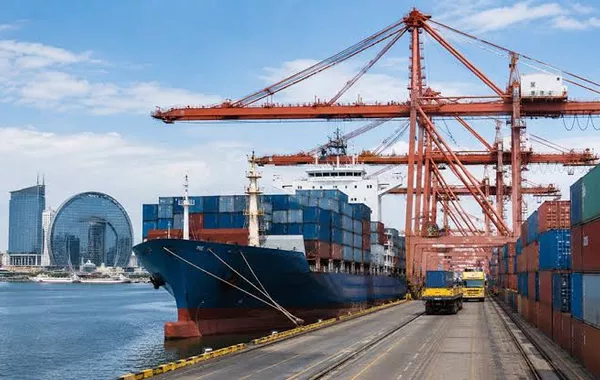
One of the central drivers behind the attack is logistics. Bandar Anzali is not merely a port but a critical transport hub on the Caspian Sea. Under mounting sanctions pressure, Tehran has increasingly relied on alternative trade and supply routes, including the Caspian corridor. These channels may facilitate not only civilian trade but also the movement of dual-use goods such as drone components, electronics, and specialized equipment. Targeting such a node is a clear attempt by Israel to disrupt less visible yet strategically vital supply chains.
Equally important is the psychological dimension. When strikes extend beyond expected targets and reach regions previously considered secure, they undermine the authorities’ sense of control and heighten internal tension. In modern warfare, this effect is crucial: it is not only about destroying infrastructure, but also about demonstrating systemic vulnerability. Expanding the geography of attacks creates a perception of total exposure.
There is also a strong likelihood that northern Iran has been used as a reserve zone for critical infrastructure. As pressure intensified on facilities in central areas, parts of Iran’s military system, including storage sites, command centers, and coordination elements, may have been relocated to less exposed regions. If such assets were indeed present near Bandar Anzali, the strike would fit into a broader pattern aimed at systematically degrading Iran’s ability to adapt and reorganize under pressure.
Israel has struck Iranian missile ships in the Caspian Sea
The Caspian factor itself deserves particular attention. The Caspian Sea is not only a geographical feature but also a major intersection of energy and transport interests. Disrupting Iran’s activity in this region has implications that go well beyond the immediate conflict, potentially affecting trade flows, logistics networks, and the balance of influence among littoral states. In this sense, the strike on northern Iran transcends a purely bilateral confrontation and begins to reshape the regional security architecture.
Another critical element is the erosion of Iran’s command and control capabilities. Military effectiveness depends not only on weapons but also on communication and coordination. Recent developments suggest that Israel has been systematically targeting these components. The apparent reduction in the intensity and frequency of Iran’s retaliatory actions may indicate that these efforts are already producing tangible effects. Strikes on northern Iran could therefore be aimed at neutralizing backup coordination systems and further weakening operational coherence.
At the same time, the demonstrative nature of the operation should not be overlooked. By striking a region close to the borders of other states, including Azerbaijan, Israel is signaling its ability to operate across the full depth of Iranian territory. This serves both as a deterrent and as a reminder to regional actors that the dynamics of the conflict are evolving and can extend beyond previously assumed limits.
Against this backdrop, a key question emerges: should Azerbaijan be concerned? The answer is nuanced. On the one hand, there are no immediate grounds for alarm. Azerbaijan is not a party to the conflict and has not been directly involved in the confrontation between Israel and Iran. Baku has consistently pursued a pragmatic and balanced foreign policy, carefully avoiding entanglement in major geopolitical clashes.
On the other hand, the situation cannot be entirely ignored. The proximity of the strike zone to Azerbaijan’s borders inevitably introduces certain risks. These include potential issues related to airspace security, as well as the possibility of unintended incidents. Moreover, any escalation in Iran could have repercussions for regional transport and energy projects, many of which involve Azerbaijan as a key player. Instability along the Caspian inevitably affects all littoral states.
There is also the factor of potential humanitarian risks. In the event of a deeper escalation, scenarios involving population displacement cannot be fully ruled out. While such developments remain hypothetical at this stage, they underscore the importance of vigilance and preparedness.
At the same time, the evolving situation may present certain opportunities. If Iran’s logistical and trade capabilities are disrupted, alternative routes could gain increased importance, including those passing through Azerbaijan. This applies both to transport corridors and to energy flows. In a context of shifting regional dynamics, Azerbaijan could further strengthen its role as a strategic hub.
In essence, the strike on Bandar Anzali is not an isolated episode but a signal of a broader transformation in the nature of the conflict. Israel is expanding the operational geography, targeting alternative logistical lifelines, and demonstrating its capacity to project power across Iran’s entire territory. Iran, in turn, faces not only military pressure but also growing vulnerabilities in its infrastructure and command systems.
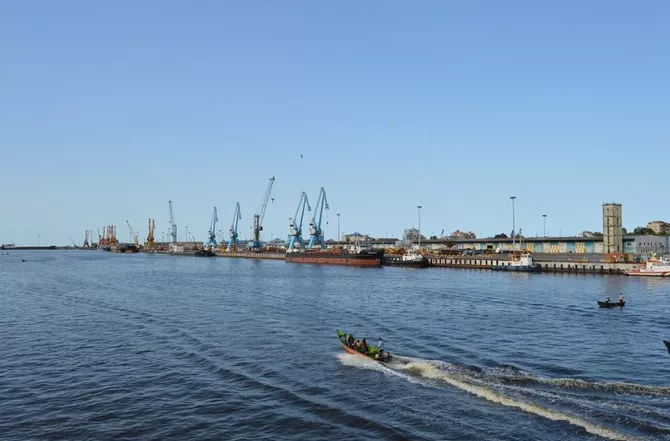
Bandar Anzali. Photo: Wikipedia
For Azerbaijan, this development calls for careful monitoring rather than immediate concern. The priority is to maintain strategic balance, avoid being drawn into the conflict, and at the same time capitalize on emerging opportunities. Ultimately, what is unfolding in northern Iran may become not only a source of risk but also a component of a new geopolitical configuration in which Azerbaijan’s role could become even more significant.
Samir Muradov