EU Prioritizes Trans-Caspian Corridor in Central Asia Plan

Photo: Global Times

EU Prioritizes Trans-Caspian Corridor in Central Asia Plan

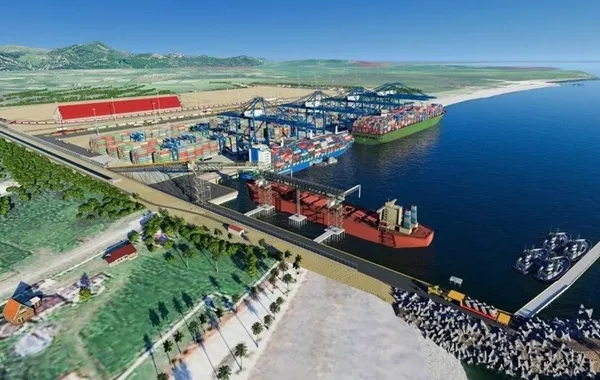
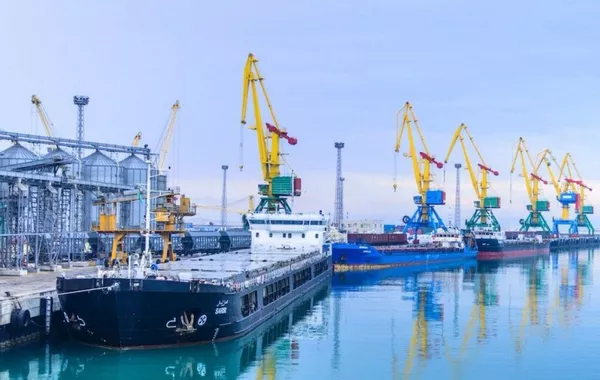
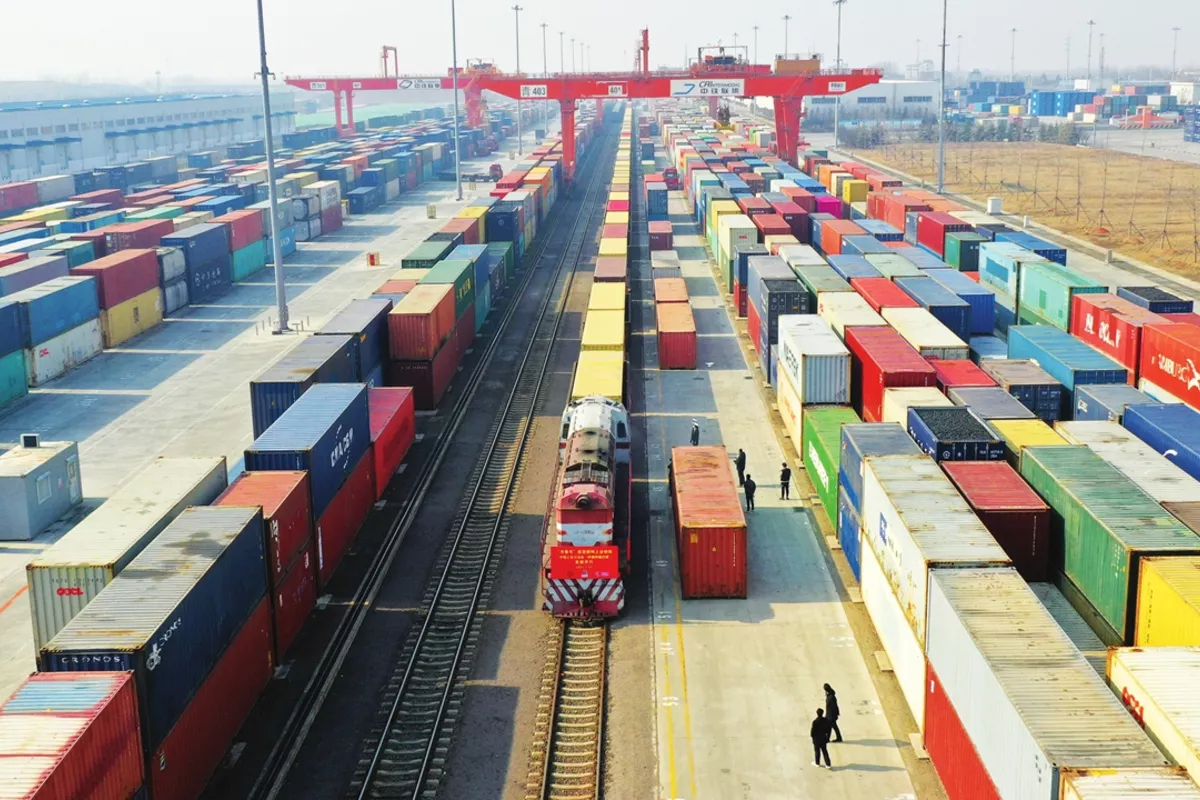
The European Union is focusing a major part of its €12 billion Global Gateway package for Central Asia on the development of the Trans-Caspian corridor, a strategic route connecting Europe with the region.

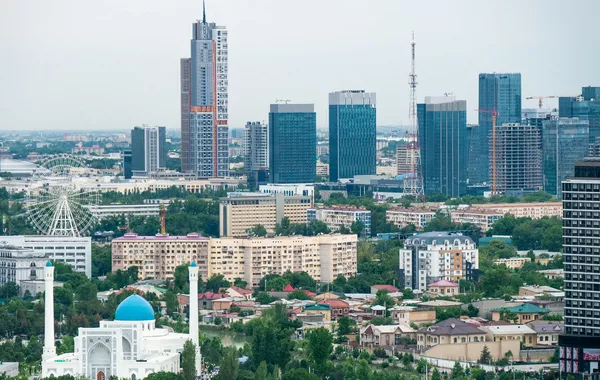
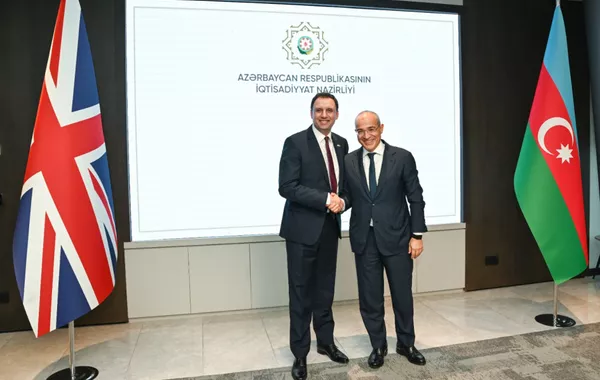
The announcement comes after European Commissioners Jozef Síkela and Marta Kos visited Uzbekistan last week, where they met with local officials to present the investment program and discuss priority sectors for cooperation, The Caspian Post reports, citing Uzbek media.

According to EU officials, the funds will be allocated across four major areas: transport, digital connectivity, critical mineral resources, and water-energy and climate initiatives. Transport will receive the largest share, nearly €10 billion, with a strong emphasis on expanding the Middle Corridor. The Trans-Caspian trade route, which can connect Europe and Central Asia in just 15 days, featured prominently in discussions in Tashkent.

Alongside transport, the EU is also placing increasing focus on strategic mineral resources. Central Asia’s substantial reserves of rare metals and minerals have positioned the region as an important partner for countries facing mounting energy challenges. As global demand intensifies, the EU is seeking deeper, long-term cooperation based on sustainable and transparent principles.

Responding to questions about Europe’s interest in the region’s mineral wealth, Commissioner Marta Kos noted that Central Asia plays a vital role in strengthening Europe’s energy independence. “Our interconnectedness program goes beyond trade, transport, energy and digitalization. It is also about building new partnerships founded on trust,” she said. “This cannot be achieved overnight, which is why openness and transparency are essential.”

Commissioner Jozef Síkela stressed that Europe aims to foster equitable, mutually beneficial cooperation rather than exploitative resource extraction. “If you sell raw materials, you lose the opportunity to create added value,” he said. “We believe that helping a country means supporting local processing, value creation and fair access to markets - not simply connecting a mine to a port. That is why our investments in strategic raw materials follow strict European environmental standards and focus on developing processing capacity within the region.”

Síkela added that Germany has granted political approval to open a financing track for Almalyk, which is expected to become a major strategic raw-material hub in the future.

Under the Global Gateway program, €55 million has already been allocated for digital connectivity and high-speed internet, while €800 million will support green projects in the water, climate and energy sectors.

Related news

The European Union is focusing a major part of its €12 billion Global Gateway package for Central Asia on the development of the Trans-Caspian corridor, a strategic route connecting Europe with the region.