Oil Prices Fall as U.S. and Iran Gear Up for New Round of Nuclear Talks

Photo credit: Azertac

Oil Prices Fall as U.S. and Iran Gear Up for New Round of Nuclear Talks

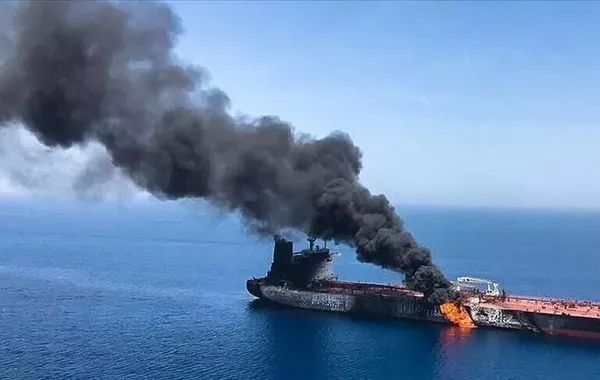
Oil prices dropped by approximately 1 percent on Monday as the U.S. and Iran readied for a third round of nuclear talks, alleviating concerns of a worsening conflict, while President Donald Trump's new tariff increases added uncertainty to global growth and fuel demand.

Brent crude futures slid 87 cents, or 1.21 per cent, to $70.89 a barrel by 0722 GMT while U.S. West Texas Intermediate crude futures were at $65.63 a barrel, down 85 cents, or 1.28 per cent, The Caspian Post reports, citing foreign media.

Trump said on Saturday he would raise a temporary tariff from 10 per cent to 15 per cent on U.S. imports from all countries, the maximum level allowed under the law, after the U.S. Supreme Court struck down his previous tariff programme.

The U.S. Customs and Border Protection agency said it will halt collections of tariffs imposed under the International Emergency Economic Powers Act at 12:01 a.m. EST (0501 GMT) on Tuesday.

"The tariff news over the weekend has resulted in some risk aversion flows this morning, which can be viewed in the price of gold and U.S. equity futures and this is weighing on the crude oil price," IG Markets analyst Tony Sycamore said.

The tariff decision offset growing concerns of a military conflict between the U.S. and Iran, which pushed Brent and WTI prices up more than 5 per cent last week.

Iran and the U.S. will hold a third round of nuclear talks on Thursday in Geneva, Oman's Foreign Minister Badr Albusaidi said on Sunday.

Iran has indicated it is prepared to make concessions on its nuclear programme in return for the lifting of sanctions and recognition of its right to enrich uranium, a senior Iranian official told Reuters.

"Brent has at least $10 per barrel Iran risk premium but as long as the threat of U.S. strikes hangs over diplomatic efforts, with a constant looming reminder from the naval armada amassed by Washington in the Middle East, it is hard to see crude sliding substantially," said Vandana Hari, founder of oil market analysis provider Vanda Insights.

Goldman Sachs said the global oil market is expected to remain in surplus in 2026, assuming no Iran-related disruption to supply, while raising its Brent and WTI forecasts for the fourth quarter of 2026 by $6 to $60 and $56 a barrel, respectively, citing lower OECD inventories.

However, potential sanctions relief for Iran and Russia could accelerate landed stock builds and unlock higher supply over the longer term, posing downside risks of $5 and $8 to 2026 fourth-quarter prices, Goldman Sachs analysts said.

Related news

Oil Prices Fall as U.S. and Iran Gear Up for New Round of Nuclear Talks

Oil prices dropped by approximately 1 percent on Monday as the U.S. and Iran readied for a third round of nuclear talks, alleviating concerns of a worsening conflict, while President Donald Trump's new tariff increases added uncertainty to global growth and fuel demand.