Source: AP
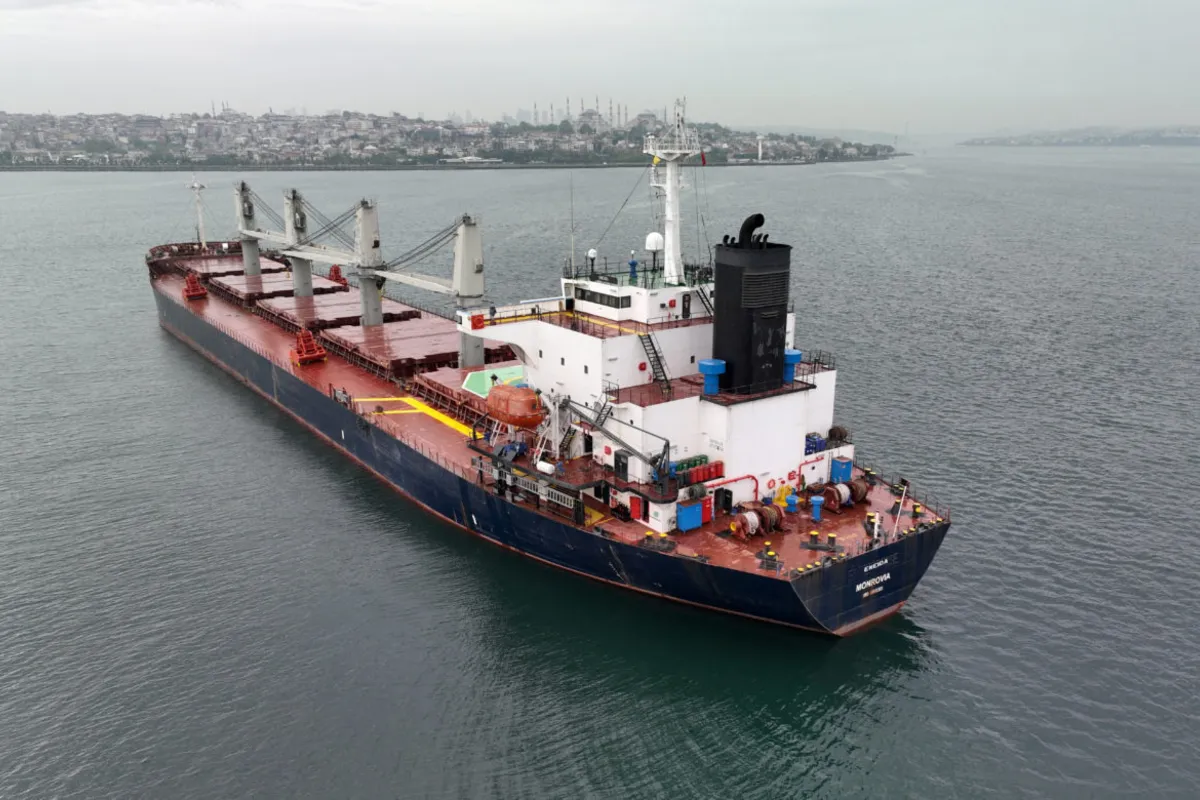
Russia, the world’s largest wheat exporter, has turned to an Arctic shipping route used during World War II to export grain for the first time, as the conflict in Ukraine disrupts Black Sea trade.
Seeking to maintain supplies to key grain customers in the Middle East and Asia, Russia has redirected exports to Baltic Sea ports, subsidising rail transport from fertile southern regions, while also exploring opportunities in the Arctic, The Caspian Post reports, citing Reuters.
Murmansk Commercial Seaport and Demetra Holding, one of Russia’s largest trading firms, said on Wednesday that the first shipment of 3,400 metric tons of grain from “key agricultural regions” was being loaded onto a vessel.
Located nearly 2,000 kilometres (1,240 miles) north of Moscow, near the Norwegian border, Murmansk can be reached through neutral waters. During World War II, Allied convoys used the port to deliver supplies to the Soviet Union.
“At a time when traditional export routes are facing restrictions, Murmansk Commercial Seaport is swiftly opening up an alternative route to foreign markets for Russian farmers,” the port said.
According to shipping data and a market source, around 28,000 metric tons of wheat are scheduled to be loaded in Murmansk onto a vessel bound for the Moroccan port of Casablanca.
Russia has redirected most of its grain trade to Baltic Sea ports, which handled 1.2 million tons in September, accounting for more than 60% of all seaborne grain exports. Companies have been repurposing fertiliser and coal terminals to handle grain shipments.
Some Kremlin officials have warned of potential hostile actions by European NATO member states in the region. All countries bordering the Baltic Sea, except Russia, are members of NATO.
Share on social media