How OPEC+ Plans to Adjust Oil Supply Amid Iran War
The Organization of the Petroleum Exporting Countries (OPEC) and its allies, collectively known as OPEC+, recently announced plans to increase oil production in May as tensions in the Middle East continue to impact global energy flows.
The decision comes amid ongoing disruptions to regional crude and refined product shipments, highlighting the crucial role of OPEC+ in maintaining market stability.
OPEC+ Announces Oil Output Increase
On Sunday, OPEC+ revealed that it will boost oil production by 206,000 barrels per day in May, according to an official statement. The decision followed a virtual meeting attended by key member nations including Saudi Arabia, Russia, Iraq, the United Arab Emirates, Kuwait, Kazakhstan, Algeria, and Oman.
During the meeting, the group reviewed current global market conditions and assessed the outlook for energy supply and demand. This increase aims to balance the market amid the disruptions caused by regional conflict and ongoing attacks on energy infrastructure.
Emphasis on Protecting Maritime Routes
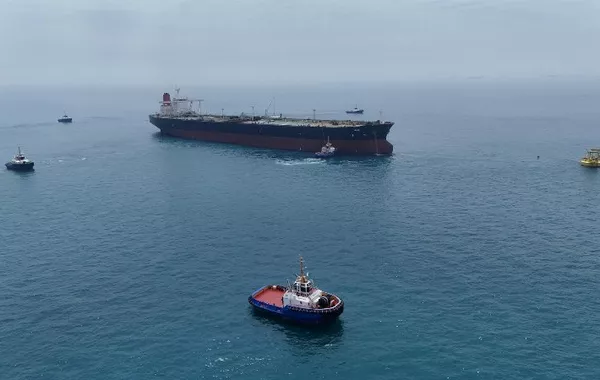
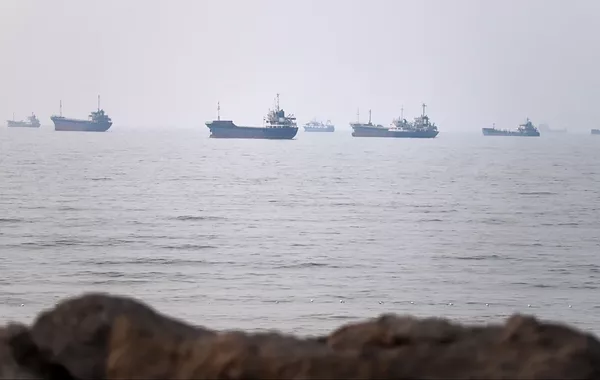
Amid heightened tensions in the Middle East, OPEC+ underscored the importance of safeguarding international maritime routes. These sea lanes are critical for the uninterrupted transport of crude oil and refined products. Any disruption can have significant consequences for global energy markets, leading to supply shortages and increased prices.
Concerns Over Energy Infrastructure Attacks
The OPEC+ countries also highlighted concerns about repeated attacks on energy infrastructure in the region. Such incidents not only reduce supply availability but also take substantial time and resources to repair. The group emphasized that restoring damaged energy assets to full operational capacity is both costly and time-consuming, further impacting global energy stability.
Upcoming OPEC+ Meetings
The member countries are scheduled to meet again on May 3 to review market conditions and make further production decisions if necessary. These meetings are closely watched by energy analysts and traders worldwide, as they provide insight into potential shifts in oil supply and pricing.
Impact of Middle East Conflict on Global Energy Flows
Since the U.S.-Israeli strikes on Iran began on February 28, energy flows in the Middle East have been significantly disrupted. Regional shipments of crude oil and refined products have declined, putting additional pressure on global supply chains. OPEC+’s production increase aims to partially offset these disruptions and stabilize the market.
What This Means for Global Markets
While the May production increase is relatively modest, it signals OPEC+’s commitment to managing supply amid uncertainty. Analysts note that maintaining market stability requires careful monitoring of geopolitical developments and quick responses to supply disruptions. By proactively adjusting output, OPEC+ seeks to minimize volatility and ensure that energy remains accessible to global consumers.
Conclusion
OPEC+’s decision to increase oil production reflects the complex challenges of balancing supply during a period of regional conflict. By emphasizing infrastructure protection, safeguarding maritime routes, and maintaining flexible production plans, the group aims to support market stability and secure global energy flows. Investors, policymakers, and consumers alike will continue to watch OPEC+ actions closely as the situation in the Middle East evolves.