Source: Getty Images
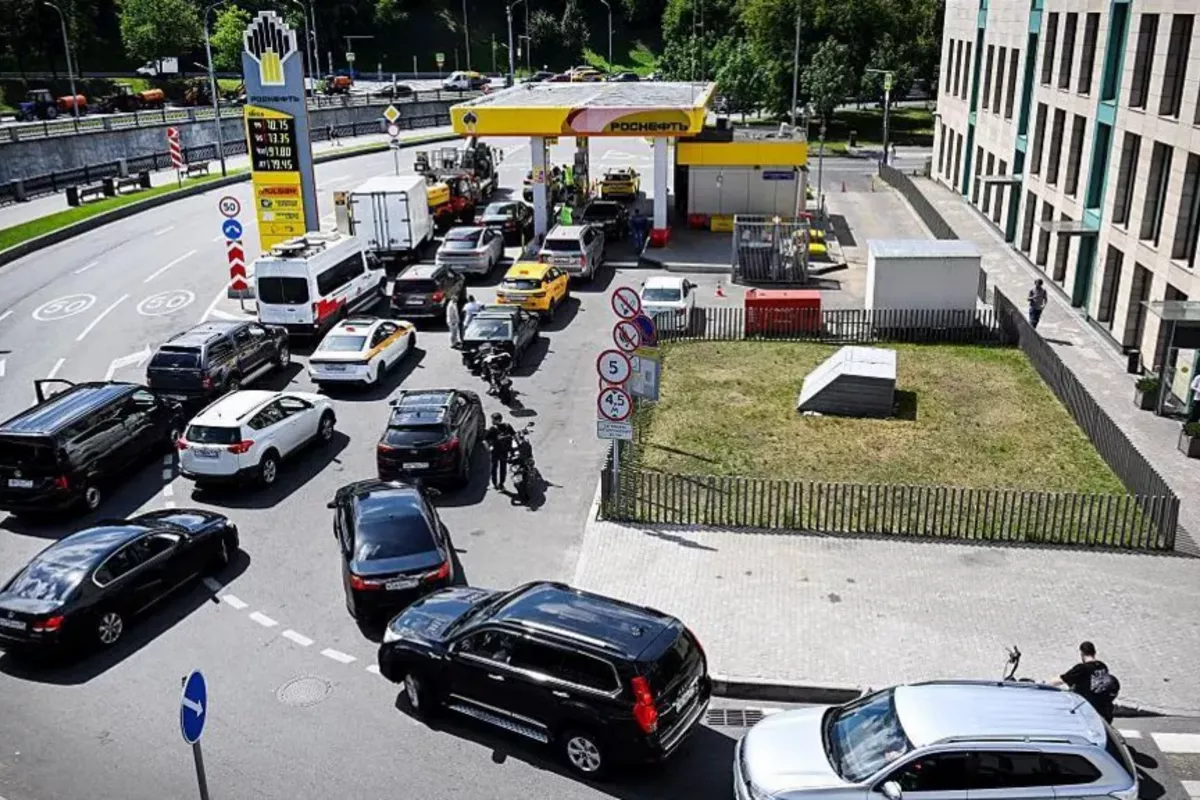
The Russian government has approved the temporary production, import and sale of lower-grade gasoline that had been banned for more than a decade, describing the decision as an "anti-crisis measure" aimed at addressing a nationwide fuel shortage, the Energy Ministry said on Thursday.
Under a decree signed by Prime Minister Mikhail Mishustin, fuels meeting Euro-2, Euro-3 and Euro-4 standards will be permitted on the domestic market until July 1, 2027, The Caspian Post reports, citing The Moscow Times.
Russia prohibited the use of Euro-2 fuel in 2013 because of its higher pollution levels and completed its transition to the cleaner Euro-5 standard in 2016. Euro-2 gasoline contains up to 50 times more sulfur than Euro-5 fuel.
Higher sulfur content can damage engine components and exhaust systems. Environmental experts also warn that burning lower-grade fuel contributes to increased smog and acid rain, worsening respiratory illnesses such as asthma, particularly in urban areas.
The Energy Ministry said the temporary relaxation of fuel standards is intended to balance fuel quality requirements with the need to ensure sufficient supplies for consumers.
According to the ministry, filling stations will be required to clearly and visibly indicate the environmental class of the fuel at the pump, allowing motorists to make informed purchasing decisions.
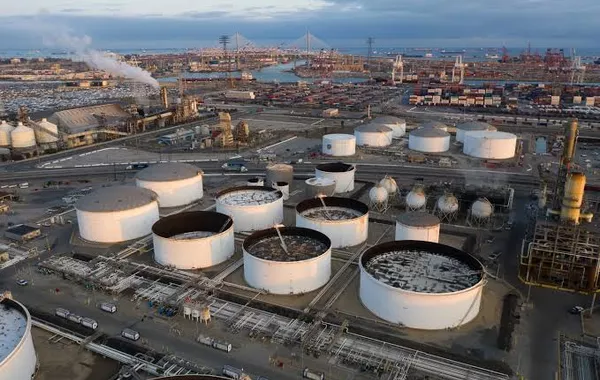
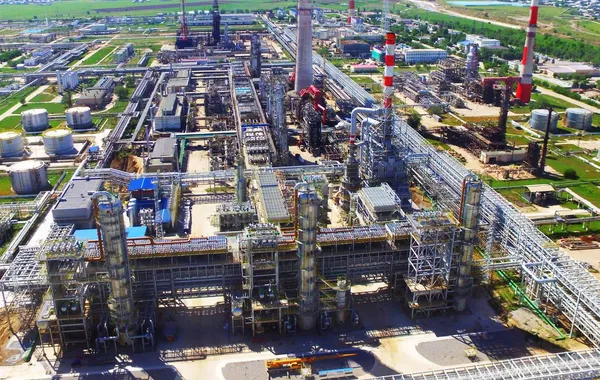
The policy change comes as Russian authorities continue efforts to stabilize the domestic fuel market after a series of Ukrainian drone attacks damaged oil refineries and fuel storage facilities.
Last month, the government also extended its ban on gasoline and diesel exports through the end of January next year.
Gasoline prices in Russia have risen by 17.7% since the beginning of the year, although they declined by 1.4% over the past week. As of Monday, Aug. 3, the nationwide average price stood at 77.69 rubles per liter, or about $3.61 per gallon.
Share on social media