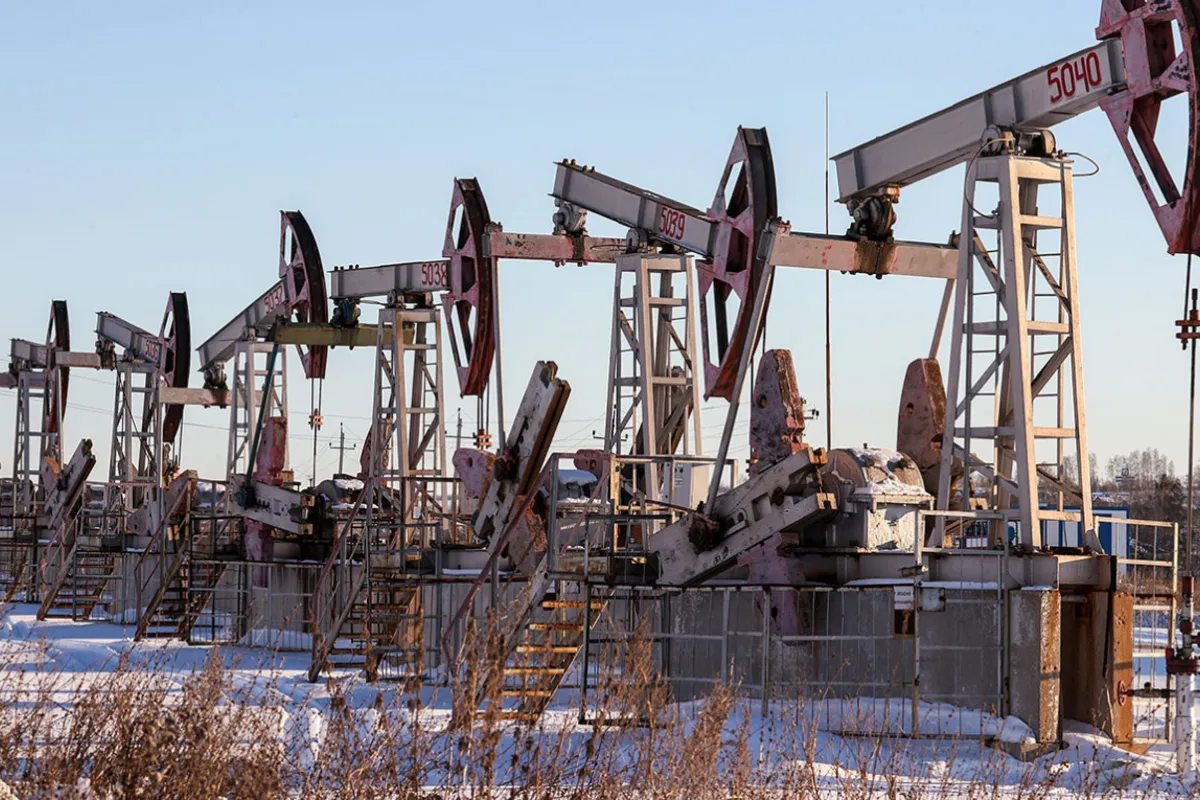
Source: TASS
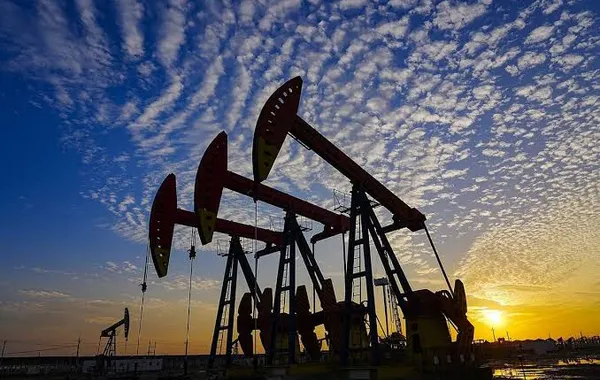
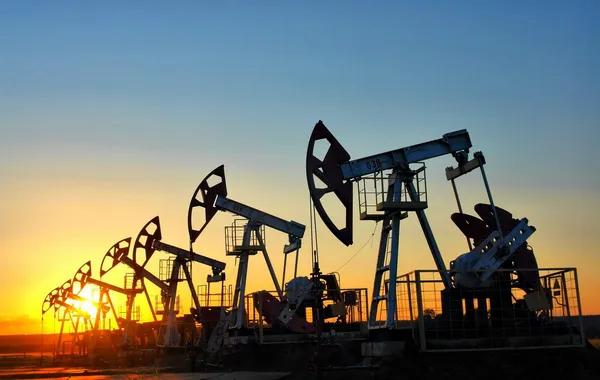
Russia's crude oil production increased in October, the same month US President Donald Trump announced a diesel supply agreement with Moscow, as global oil supply exceeded demand, the International Energy Agency (IEA) said on Friday.
Russian output rose by 210,000 barrels per day to 8.73 million barrels per day, according to the IEA's November Oil Market Report, The Caspian Post reports, citing Anadolu Agency.
Trump announced the agreement with Russian President Vladimir Putin on October 9, saying additional Russian diesel supplies would help reduce fuel prices in the US and global markets.
He said Russia would immediately deliver more than 300,000 tonnes of diesel, followed by 500,000 tonnes in November and a further 1 million tonnes afterward.
On the same day, the US Treasury Department's Office of Foreign Assets Control issued General License 135, authorizing transactions involving the sale, delivery, offloading and importation of Russian-origin diesel, including into the United States, through April 7, 2027.
The IEA did not directly attribute the increase in Russian crude production to the agreement.
Global oil supply rose by 2.3 million barrels per day to 105.4 million barrels per day in October as exports from the Gulf recovered. Supply exceeded demand for the first time since the start of the Iran war.
The agency increased its fourth-quarter supply forecast by 3.3 million barrels per day.
Observed global oil inventories grew by 52 million barrels in October, marking their first increase since June. However, the buildup was driven by oil stored at sea, while onshore inventories continued to decline.
Diesel supplies remained tight amid attacks on Russian energy infrastructure and disruptions in the Middle East.
The IEA forecasts that global oil supply will increase by 6.6 million barrels per day to 108.1 million barrels per day in 2027, exceeding projected demand growth of 2 million barrels per day.
The agency expects a supply surplus in the fourth quarter, followed by larger inventory buildups next year, although attacks on shipping remain a risk to the recovery.
Share on social media